
Neste lugar idílico (fictício) minhoto, a princípio Jorge e Berta apaixonam-se mas a separação social (ou antes, visto que a diferença tinha sido diluída pelo regime liberal, os preconceitos do "tempo velho" do velho pai dos fidalgos) afasta-os e impede-os de se casarem. Entre juras de amor eterno em segredo acordam seguir caminhos diferentes. Enquanto Jorge segue o caminho de reforma das propriedades e recuperando-as, Berta serve de amparo ao pai debilitado do fidalgo, que vai reconhecendo uma personalidade muito nobre nela. Por seu lado, Maurício, em Lisboa, inicia-se na vida diplomática e começa a dar-se com a prima da Quinta dos Bacelos, a Baronesa Gabriela, com quem começa a acalentar a ideia de casamento. É no meio deste ambiente romântico didático com algo de peça teatral de comédia ligeira ou de tragicomédia (por isso o romance se ajustou de forma confortável à adaptação a teatro filmado para a RTP em 1963 com Nicolau Breyner como Maurício e a telenovela de ar muito cénico para a TV Record em 1970, nos primórdios da TV portuguesa nos primórdios das telenovelas brasileiras) que se sucedem os negócios e trabalhos de Jorge e Tomé para recuperar as fazendas dos Negrões e cria-se uma espécie de novo triângulo amoroso à As Pupilas do Senhor Reitor desta vez com só uma "filha do povo", novamente os dois irmãos sendo tentados pelo interesse comum nela, um conflito algo menos dramático do que o d'As Pupilas entre os dois e por fim um "engrossar do enredo" com o triângulo amoroso a virar quadrado com (ante a oposição de D. Luís pelos seus velhos preconceitos a um casamento de Berta dentro da sua família) um casamento de Berta com o agricultor Clemente, filho da agricultora local (e ex-ama dos jovens fidalgos) Ana do Vedor, a tornar-se mais provável. Tal como na outra obra de Dinis referida (e já analisada) neste blogue, o amor dos dois irmãos pelo interesse amoroso comum é diverso de um para outro: enquanto Jorge ama realmente Berta, Maurício só tem uma afeição inconstante por ela (há porém uma inversão em relação à outra obra: enquanto Daniel era o falso apaixonado e era mais urbano e menos "físico", aqui é o menos "exterior" e mais introvertido, embora menos "floreado" que Daniel, Jorge que é genuinamente "amador", pelo que o autor não escreve sempre o "mesmo livro"). Este entrecruzar de enredos e reviravoltas (nada bruscas e algo suaves, mas reviravoltas, como comum no autor) estão alimentadas por um "elenco" de personagens bem desenhadas e individualizadas, por perfis individuais e de classe e pelo entrecruzar das profissões e personalidades que se moldam uma à outra para um dado perfil de pessoa. O narrador, com a mestria do Romântico-Realista oitocentista, consegue "fazer malabarismo" de tudo isto sem as confundir nem diminuir cada elemento individual em si mesmo.
Se o enredo é relativamente "genérico" de romances "cor de rosa" e mesmo de romances da curta obra deste autor, mas não só o estilo como a maior sobriedade do enredo em torno da recuperação da família arruinada e do passado e presente do velho D. Luís, e a forma como ele se vai "abrindo" a Berta apesar da sua classe e depois de saber do afecto entre ela e o seu filho Jorge ele acaba por se abrir à realização de um casamento (que por sua vez "liberta" Maurício de manter o seu frouxo namoro a ela e lhe permite casar com a prima Gabriela) ajudam a "salvar" o livro de alguma "overdose" de doçura e brandura ou suavidade de enredo. Para além de o livro ser enriquecido pelos elementos novos de desenvolvimento do enredo e personagens e de retrato social que faltavam nos romances de estreia de Dinis com o exemplo d'As Pupilas que já aqui vimos.
Neste livro originalmente de 1871, vemos ao contrário da obra anteriormente vista deste autor, uma verdadeira diferença social, não entre órfãs e camponeses endinheirados pelo trabalho mas camponeses e verdadeiros aristocratas de velha cepa e com velha fortuna (apesar de esgotada pelo tempo até imediatamente antes do começo do enredo), e isto permite, ainda mais que a obra anterior de Dinis, expôr a sua visão liberal pessoal, e a sua visão das melhorias e progresso que o liberalismo monárquico haviam trazido a Portugal. E como clássico de todas as obras do autor, o interessante ponto essencial da sua filosofia e do conflito de enredo subjacente às suas obras é o do positivo progresso que esse regime político traz, mas simultaneamente a erosão da sociedade rural idealizada que este autor aprecia e louva.

O casamento é novamente a forma de "resolver as coisas" socialmente, mas só para aqueles que não só se amam mutuamente mas são "dignos" uns dos outros e têm uma certa equivalência "complementar", como os camponeses endinheirados dos da Póvoa e os nobres arruinados do Negrões unidos por Jorge e Berta ou os nobres aparentados no caso de Maurício e da sua prima). Os caprichos da juventude ou da vida amorosa (como os de Maurício com Berta) são assim empecilhos e coisas insignificantes a ignorar, sendo só pondo-os de lado que os próprios podem evoluir (e a família e a sociedade em seu torno com eles, como diz no fim do último capítulo, «Não havia ali coração que não encerrasse um fermento de felicidade»).
Assim toda a trama acaba com tudo no lugar e em ordem moral e socialmente, acabando só mais posto de parte o quarto lado do quadrado amoroso de Clemente, com os restantes tendo cada um o seu par. Somente alguns passos mais dramáticos podem pesar sobre a aparente leveza da obra (como no caso de As Pupilas, e todos descobrem os seus caminhos para uma vida melhor, embora não idílica nem utópica e pelas "pistas" dadas pelo final do texto que parece que ficará sempre algo na mesma quanto a algumas idiossincrasias da vida rural portuguesa). Acaba por ser assim mais romântico mas não menos "empresarial" a resolução amorosa do enredo que a questão do "reerguer" das finanças da família Negrão, que volta a ser respeitada e nobre, como aponta a última frase, na Conclusão do livro: «Enquanto os senhores do Cruzeiro, continuam a ser cada vez mais viciosos, e a achar-se mais embaraçados em dívidas e desprezados do povo.
Os fidalgos da Casa Mourisca são, pelo contrário, hoje respeitados, graças à energia e à honestidade do carácter de Jorge.
O nome desta família é dos que fica honrado na tradição popular.» Por exagerado que parece o tom algo grandiloquente e à conto de fadas ou fábula desta conclusão, ele resulta para o seu fim e é um fecho que completa a ideia geral do texto e da visão da sociedade e da vida que Júlio Dinis sempre queria transmitir. E para uma obra que consegue de forma tão bem-sucedida retratar a vida do seu tempo (por idealizado que o faça), e que dá uma experiência de leitura tão agradável e dá um exemplo tão acabado e bem-sucedido da "leitura formativa", e pela fatia da "experiência portuguesa", e da experiência das vidas das personagens que não só representam gente das classes em causa como representam todos os que se envolvem em experiências pessoais de reconstrução de vidas antes arruinadas e de busca pelo par com quem constituir família. E enquanto a vida social for assim, provavelmente Júlio Dinis vai sempre ter leitores mesmo sem Regeneração e sem monarquia constitucional. E felizmente para isso, o livro pode encontrar-se em todas as bibliotecas e em várias edições ainda à venda, para além de algumas adaptações cinematográficas e televisivas e até BD de Carlos Alberto Santos e uma caderneta de cromos do mesmo ilustrador.


 After a stereotypicall "boy's own" work in the previous post, a stereotypically "feminine" novel, to balance the possible tastes of who here may read. Accused many times of writing always the same book, Julio Dinis writes here another novel literarily from the same genre and in terms of plot with the social trans-class dynamic and involving two brothers coming from a more moneyed family but close to the so-called "popular" classes, sons of a propriety owner today widowed and only representative of the family besides his sons. In this case it is the family of the Negroins (Negrões) from the fictional Vilar of the Crows, of which only remain the «old, sexagenarian, stern, severe and taciturn" Don Luis Negrao and the surviving younger sons of the former, Jorge and Mauricio, who intend to recover the family and its "moorish" house (so-called by Portuguese popular habit of calling things of more peculiar aspect and of which nobody knew the period origin "moorish") from a cycle of tragedies and debts afterwards to the death of the Lady Negrao and the youngest daughter. The love interest here is Berta da Povoa, daughter of the old caretaker of the Negroins, Tomeh, who thanks to his work had conquered some social status and to make his daughter goddaughter to the old Don Luis.
The marriage is again the way of "solving things" socially, but only for those that not only love each other mutually but are "worthy" of each other and got some "complementary" equivalence, like the moneyed peasants of the da Póvoa and the ruined nobles of the Negroins united by Jorge and Berta or the related nobles in the case of Mauricio and his cousin). The whims of youth or the love life (like the ones of Mauricio with Berta) are so hindrances and insignificant things to ignore, being only setting them aside that those people themselves can evolve (and the family and the society around them with them, asit says at the end of the last chapter «There was not there heart that did not close-down a leaven of happiness»).
So all the weave ends with all in place and in order moral and socially, ending just more set aside the forth side of the love square Clemente, with the remaining having each onetheir pair. Only some more dramatic steps can weigh on the apparent lightness of the work (as in the case of The girl Pupils, and all discover that their ways for a better life, although not iyllic not utopian and by the leads given by the text's ending that it seems that it shall stay always something the same about some idiosyncrasies of the Portuguese rural living). It ends so being more romantic but no less "business-like" the love resolution of the plot than the issue of "re.rrising" of the finances of the Negrao family, which goes back to be respected and noble, as points out the last sentence, in the book's Conclusion: «While the lords of the Stone-cross continued each tme more vicious, and to find themselves more entangled in debts and despised by the people.
Neste livro originalmente de 1871, vemos ao contrário da obra anteriormente vista deste autor, uma verdadeira diferença social, não entre órfãs e camponeses endinheirados pelo trabalho mas camponeses e verdadeiros aristocratas de velha cepa e com velha fortuna (apesar de esgotada pelo tempo até imediatamente antes do começo do enredo), e isto permite, ainda mais que a obra anterior de Dinis, expôr a sua visão liberal pessoal, e a sua visão das melhorias e progresso que o liberalismo monárquico haviam trazido a Portugal. E como clássico de todas as obras do autor, o interessante ponto essencial da sua filosofia e do conflito de enredo subjacente às suas obras é o do positivo progresso que esse regime político traz, mas simultaneamente a erosão da sociedade rural idealizada que este autor aprecia e louva.
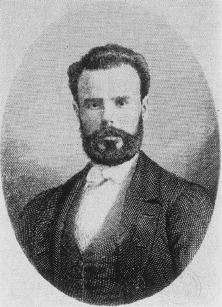
Júlio Dinis
No universo peculiar da ficção de Júlio Dinis, romântico, bucólico e sentimental não implica escrita frouxa, prosa "púrpura" ou irrealismo pleno. E o mundo que surge neste universo é de casamento entre velho e novo, de progresso não só da nova sociedade mas da velha tradição, e se a moral não é rígida e imutável, é porém disciplinada e eticamente moralizada, no estilo da moralidade e da ideologia do burguesismo democrático liberal e filantrópico defensor da sociedade "polida". Logo nas primeiras páginas se vê bem tudo isso quanto à natureza deste mundo bem definido, sem surpresa alguma dada a visão do mundo bem sólida do autor. É uma visão do mundo defensora da economia de mercado e do progresso sem dúvidas, mas simultaneamente patriótica, com espaço para a tradição (desde que não "fossilizada" e capaz de evoluir), e em que há uma crença de que as classes devem ter alguma cooperação e união entre si, o que infelizmente não evita que por vezes alguns sejam vítimas das suas fraquezas pessoais (principalmente quando os mais poderosos não têm esse auxílio a estes, como no caso da filha do tendeiro em As Pupilas).O casamento é novamente a forma de "resolver as coisas" socialmente, mas só para aqueles que não só se amam mutuamente mas são "dignos" uns dos outros e têm uma certa equivalência "complementar", como os camponeses endinheirados dos da Póvoa e os nobres arruinados do Negrões unidos por Jorge e Berta ou os nobres aparentados no caso de Maurício e da sua prima). Os caprichos da juventude ou da vida amorosa (como os de Maurício com Berta) são assim empecilhos e coisas insignificantes a ignorar, sendo só pondo-os de lado que os próprios podem evoluir (e a família e a sociedade em seu torno com eles, como diz no fim do último capítulo, «Não havia ali coração que não encerrasse um fermento de felicidade»).
Assim toda a trama acaba com tudo no lugar e em ordem moral e socialmente, acabando só mais posto de parte o quarto lado do quadrado amoroso de Clemente, com os restantes tendo cada um o seu par. Somente alguns passos mais dramáticos podem pesar sobre a aparente leveza da obra (como no caso de As Pupilas, e todos descobrem os seus caminhos para uma vida melhor, embora não idílica nem utópica e pelas "pistas" dadas pelo final do texto que parece que ficará sempre algo na mesma quanto a algumas idiossincrasias da vida rural portuguesa). Acaba por ser assim mais romântico mas não menos "empresarial" a resolução amorosa do enredo que a questão do "reerguer" das finanças da família Negrão, que volta a ser respeitada e nobre, como aponta a última frase, na Conclusão do livro: «Enquanto os senhores do Cruzeiro, continuam a ser cada vez mais viciosos, e a achar-se mais embaraçados em dívidas e desprezados do povo.
Os fidalgos da Casa Mourisca são, pelo contrário, hoje respeitados, graças à energia e à honestidade do carácter de Jorge.
O nome desta família é dos que fica honrado na tradição popular.» Por exagerado que parece o tom algo grandiloquente e à conto de fadas ou fábula desta conclusão, ele resulta para o seu fim e é um fecho que completa a ideia geral do texto e da visão da sociedade e da vida que Júlio Dinis sempre queria transmitir. E para uma obra que consegue de forma tão bem-sucedida retratar a vida do seu tempo (por idealizado que o faça), e que dá uma experiência de leitura tão agradável e dá um exemplo tão acabado e bem-sucedido da "leitura formativa", e pela fatia da "experiência portuguesa", e da experiência das vidas das personagens que não só representam gente das classes em causa como representam todos os que se envolvem em experiências pessoais de reconstrução de vidas antes arruinadas e de busca pelo par com quem constituir família. E enquanto a vida social for assim, provavelmente Júlio Dinis vai sempre ter leitores mesmo sem Regeneração e sem monarquia constitucional. E felizmente para isso, o livro pode encontrar-se em todas as bibliotecas e em várias edições ainda à venda, para além de algumas adaptações cinematográficas e televisivas e até BD de Carlos Alberto Santos e uma caderneta de cromos do mesmo ilustrador.


Prancha de Carlos Alberto Santos e a capa da caderneta
In this Minho region (fictional) idilic place, at first Jorge and Berta fall in love but the social split (or instead, seen that the difference had been diluted by the liberal regime, the prejudices from the "old time" of the old father to the landed-gents) draws them apart and prevents them of getting married. Between oaths of eternal love in secret they agree to follow different paths. While Jorge follows the path of reform of the properties and recovering them, Berta serves as support to the landed-gent's debilitated fathr, who goes recognising a very noble personality in her. On his hand, Mauricio, in Lisbon, initiates himself into the diplomatic life and starts to get along with the cousin from the Farm of Rootstocks, Baroness Gabriela, with whom he starts entertain the idea of marriage. It is in the middle of this didactic romantic environment with something of light comedy or tragicomedy theatre play (for that the novel adjusted in comfortable way to the adaptation to teleplay for the RTP TV in 1963 with Nicolau Breyner and the soap opera of very scenic air for TV Record in 1970, in the earliest times of Portuguese television and the Brazilian soap operas) that do transpire the businesses and works of Jorge and Tomeh to recover the hacienda homesteads of the Negroins and it creates itself a kind of new love triangle à la As Pupilas do Senhor Reitor/"The girl Pupils of Mr. Parson, the Dean", this time with only one "daughter of the people", again the two brothers being tempted by the common interest in her, a conflict somewhat less dramatic than the The girl Pupils one between the two and at last a "plot thickening" with the love triangle turning square with (facing the opposition of Don Luis due to his old prejudices towards a marriage of Berta within his family) a marriage of Beta with the farmer Clemente, son of the local farmer (and ex-nanny of the young landed-gents) Ana of the Looker-out, turning itself more likely. Like on hthe other Dinis work mentioned (and already analysed) on this blog, the love of the two brothers foor the common love interest is diverse from one to the other: while Jorge truly loves Berta, Mauricio only has an inconstant affection for her (there is though an inversion here in relation to the other work: while Daniel was the false lover and was the more urban and less physical, here it is the less "exterior" and more introvert, although less "flowery" and more rural than Daniel, Jorge is genuinely "lover", so that the author does not always write the "same book"). This intercross of plots and twists (not at all blunt and somewhat soft, but twists, as common in the author) are fed by a "cast" of characters well draw and individualised, by individual and class profiles and the intercrossing of professions and personalities that mold each other for a given profile of person. The narrator, with the mastery of eighteen-hundredth Romantic-Realist, can "juggle" all of this without confusing them nor diminishing each individual element in itself.
If the plot is relatively "generic" to "rose tinged" novels and even of novels from this author's short work, but not only the style as the greater sobriety of the plot around the recovery of the ruined family and of the past and present of the old Don Luis, and the way as he goes "opening up" to Berta despite her classe and after knowing of the affection between her and his son Jorge he ends up openng up to the carrying-out of the wedding (tha on its hand "frees" Mauricio of keeping his feeble dating of her and to him does permit to marry with cousin Gabriela) help to save the book to some "overdose" of sweetness and meekness or softness of plot. Besides the book bing enriched by the new elements of development of the plot and characters and of social portrait that lacked in the debut novels of Dinis with the example o' The girl Pupils that we already here did see.
In this book originally from 1871, we see unlike the previously seen work of this author's, a true social difference, not between orphans and peasants moneyed by their work but peasants and true old stock aristocrats and with old fortune (despite wore out by time until immediately before the start of the plot), and this permits, even more than Dinis' previous work, to expose his personal liebral vision, and his vision of the improvements and progress that the monarchist liberalism had brought to Portugal. And as classic of all the author's work, the essential interesting point of his philosophy and of the plot conflict underpinning his works is the one of positive progress that such political regime brings, but simultaneously the erosion of the idealised rural society that this author appreciates and praises.
In this book originally from 1871, we see unlike the previously seen work of this author's, a true social difference, not between orphans and peasants moneyed by their work but peasants and true old stock aristocrats and with old fortune (despite wore out by time until immediately before the start of the plot), and this permits, even more than Dinis' previous work, to expose his personal liebral vision, and his vision of the improvements and progress that the monarchist liberalism had brought to Portugal. And as classic of all the author's work, the essential interesting point of his philosophy and of the plot conflict underpinning his works is the one of positive progress that such political regime brings, but simultaneously the erosion of the idealised rural society that this author appreciates and praises.
Julio Dinis
In the perculiar universe of Julio Dinis' fiction, romantic, bucolic and sentimental does not imply feeble, writing, "purple" prose or full unrealism. And the world that comes-up in this universe is of marriage between old and new, of progress not only of the new society but of the old tradition, and if the moral is not rigid and unchangeable, it is though disciplined and ethically moralised, in the style of the morality and of the ideology of the liberal and philanthropic democratic bourgeoisism defender of the "polished" sociey. Right-away in the first pages it is seen fine all that about the nature of this world well defined, without any surprise given the world view quite solid of the author's. It is a world view defender of the market economy and of the progress, without doubt, but simultaneously patriotic, with room for tradition (as long as not "fossilised" and capable of evolving), and in which there is a belief that the classes must have some cooperation and union amongst themselves, what unfortunately does not avoid that sometimes some be victims of their personal weaknesses (mainly when the mightiest do not have that aid to these, like in the case of the tendeiro/tented-shop-keeper in The girl Pupils).The marriage is again the way of "solving things" socially, but only for those that not only love each other mutually but are "worthy" of each other and got some "complementary" equivalence, like the moneyed peasants of the da Póvoa and the ruined nobles of the Negroins united by Jorge and Berta or the related nobles in the case of Mauricio and his cousin). The whims of youth or the love life (like the ones of Mauricio with Berta) are so hindrances and insignificant things to ignore, being only setting them aside that those people themselves can evolve (and the family and the society around them with them, asit says at the end of the last chapter «There was not there heart that did not close-down a leaven of happiness»).
So all the weave ends with all in place and in order moral and socially, ending just more set aside the forth side of the love square Clemente, with the remaining having each onetheir pair. Only some more dramatic steps can weigh on the apparent lightness of the work (as in the case of The girl Pupils, and all discover that their ways for a better life, although not iyllic not utopian and by the leads given by the text's ending that it seems that it shall stay always something the same about some idiosyncrasies of the Portuguese rural living). It ends so being more romantic but no less "business-like" the love resolution of the plot than the issue of "re.rrising" of the finances of the Negrao family, which goes back to be respected and noble, as points out the last sentence, in the book's Conclusion: «While the lords of the Stone-cross continued each tme more vicious, and to find themselves more entangled in debts and despised by the people.
The landed-gents of the Moorish house are, on the contrary, today respected, thanks to the energy and the honesty of Jorge's character.
The name of this family is one of the ones that stays honored on the popular tradition.» No matter how exagerated it seems the somewhat grandiloquent and fairy tale or fable-style tone of this conclusion, itworks for its ending nd it is a closing that completes the generl idea of the text and the view of society and of life that Julio Dinis always wanted to transmite. It is a work that can in so successful a way to portray the living of its time (no matter how idealised it does it), and which gives a so agreeable reading experience and gives a so prime and successful an example of the "bildungsroman reading", and for the slice of the "Portuguese experience", and of the experience of the lives of the characters that not only represent people from the classes at stake as represent all that involve themselves into personal experiences of reconstruction of lives before ruined and of search for the pair with whom to start a family. And while the social life is thus, Julio Dinis is always going to have readers even without Portuguese Regeneration and without constitutional monarchy. And fortunately for that, the book can find itself in all Portuguese libraries and in several editions still for sale, beyond some cinematic and television adaptattions and eve Comics by Carlos Alberto Santos and a trading-cards sticker album by the same illustrator.
The name of this family is one of the ones that stays honored on the popular tradition.» No matter how exagerated it seems the somewhat grandiloquent and fairy tale or fable-style tone of this conclusion, itworks for its ending nd it is a closing that completes the generl idea of the text and the view of society and of life that Julio Dinis always wanted to transmite. It is a work that can in so successful a way to portray the living of its time (no matter how idealised it does it), and which gives a so agreeable reading experience and gives a so prime and successful an example of the "bildungsroman reading", and for the slice of the "Portuguese experience", and of the experience of the lives of the characters that not only represent people from the classes at stake as represent all that involve themselves into personal experiences of reconstruction of lives before ruined and of search for the pair with whom to start a family. And while the social life is thus, Julio Dinis is always going to have readers even without Portuguese Regeneration and without constitutional monarchy. And fortunately for that, the book can find itself in all Portuguese libraries and in several editions still for sale, beyond some cinematic and television adaptattions and eve Comics by Carlos Alberto Santos and a trading-cards sticker album by the same illustrator.
Comic page by Carlos Alberto Santos and the sticker album's cover


