Mostrar mensagens com a etiqueta Virgínia de Castro e Almeida. Mostrar todas as mensagens

terça-feira, 15 de dezembro de 2015

"Em Casa da Avó", Maria Francisca Teresa (pseudónimo de Laura de Castro e Almeida) // "In Grandmother's House", Maria Francisca Teresa (pseudonym of Laura de Castro e Almeida)

Já neste blogue, faz pouco tempo, vimos duas obras de Virgínia de Castro e Almeida, e agora vamos ver um livro (infelizmente menos acessível de achar) de uma prima sua que por muitos menos anos (e obras) foi também escritora infantil: Laura Veridiana de Castro e Almeida Soares (que tendia a só assinar, quando usava o nome verdadeiro para assinar traduções, visto que só criou originais sob o pseudónimo aqui usado, Laura de Castro e Almeida). Como se tem visto o nosso blogue tem passado um pouco "de largo" da literatura infanto-juvenil mais religioso-moralizante e mais próxima do Estado Novo, ora passando por obras anteriores ao período, ou obras escritas entre 1932 e 1974 "a leste" de questões políticas, ou de autores mais ou menos apolíticos ou de uma forma ou outra anti-Estado Novo; as excepções que temos feito a isto incluem Virgínia de Castro e Almeida, por longos anos uma forte apoiante de Salazar, e esta sua prima que estava bem dentro da tradição moralizante religiosa e de patriotismo com toque católicos e moralizantes/moralistas (a meio-caminho entre roteiro turístico e catecismo nacional-católico). Passando à obra, esta foi publicada em 1922, tratando de uma rapariga continental, Chica, com ascendência paterna madeirense (isto não é categoricamente afirmado mas intui-se isto da tia Madeirense dizer que tem uma irmã casada com filhos e 1 neta e um irmão em Lisboa que deve ser o pai de Chica) que com os irmãos pouco mais velhos vai passar as férias de Natal na ilha da Madeira, em casa da sua avó. Nesta ilha conhece outro estilo de vida e outra forma de cultura portuguesa e faz amizades com crianças e adultos locais.
Depois da viagem e da instalação na casa da avó, passa o período de cerca de um mês feliz e saudável, entre o ambiente insular típico de vida pequeno-citadina insular-portuguesa de inícios de Novecentos, numa casa de baixa-burguesia de pergaminhos aristocráticos mas que já viveu melhores dias, que é elegante mas muito do ideal de finanças humildes à Uma Casa Portuguesa, com a alegre e simples Chica num jeito muito à Heidi, a distribuir sorrisos e alegrias pela área visitada da ilha, enquanto vai conhecendo melhor a avó Madeirense e as duas se tornam mais próximas e enquanto a avó (matriarca de respeito) suaviza ante a pequena (de 3 anos) Chica, esta vai aprendendo dela não só versões "para crianças" de informações científicas sobre a Terra e os outros planetas como ensinamentos morais e curiosidades sobre a Madeira "típica". Porque a Madeira representada é de facto "típica" e pituresca (embora com um aspecto multicultural, as comunidades inglesa e cigana estando presentes), embora não seja sem aqueles defeitos de meio pequeno, demasiado tradicionalista e dado à cuscuvilhice do retrato geral (e algo realista) deste meios desta dimensão.
Depois da aproximação de Chica e dos irmãos com a avó se tornar mais forte, começam a passear e brincar principalmente com a tia Valentina, que é não só companheira de brincadeiras mas "providência" que tenta protege-las de qualquer percalço de caminho. É principalmente com a tia que Chica e os irmãos mais velhos conhecem os primos Funchalenses, passeiam pela ilha, conhecem crianças locais, ficam a conhecer o património, artesanato, locais de passeio e tradições madeirenses, e que vão conhecer a «Colmeia humana» da tia, uma organização filantrópica por ela coordenada em que crianças desfavorecidas criadas da rua eram cuidadas, vestidas e alimentadas, além de ensinadas a coser roupas e receberem aulas escolares. O tom (da tia e da narradora) associado a estas passagens pode ser bastante condescendente e paternalista (especialmente para com crianças madeirenses pobres trigueiras e crianças ciganas), mas não obscurece completamente uma certa intenção social e uma postura anti-corrupção social e moral que é mesmo cívica e útil. Conforme as férias vão passando, torna-se claro que o pai das crianças não é muito presente e pouco fala, a mãe delas sendo a verdadeira organizadora da casa (isto torna-se algo melancólico em retrospectiva visto que no livro da autora "Maria Francisca Teresa", dois livros a seguir, O Tio Gustavo de 1925, as crianças já são órfãs de pai, o que lança uma luz sobre este apagamento e vacuidade do pai neste livro, que pode assim estar já "apagado" por já estar moribundo... ou talvez a autora tenha decidido "mata-lo" depois de ver a sua pouca utilidade aos livros desta "série").
Apesar das férias aumentarem uma consciência das raízes parciais madeirenses das crianças e da especificidade da Madeira dentro da Portugalidade, as saudades da Lisboa natal e da Portugalidade continental vai aumentando, mas claro que as férias acabam pela altura em que as saudades mais apertam daí que "tudo está bem quando acaba bem" (excepto para o pai que eventualmente falece para os livros seguintes, mas enfim, nada é perfeito). E o resto é estória para os livros seguintes da autora, Chica Conheceu Jesus (1925) e o referido O Querido Tio Gustavo, em que Chica, a mãe e os irmãos retornam, agora em cenários familiares não madeirenses, e continua a moralização e aproximações quer a membros da família menos conhecidos ou mesmo algo "párias" (como o amalucado tio Gustavo do livro homónimo) quer à religião (principalmente no segundo livro). Apesar de um moralismo por vezes chato ou forçado, o livro descreve bem o processo de alfabetização e os métodos educativos cooperativo-corporativistas típicos de uma ala direita do "republicanismo histórico" e cerca de 10 anos depois do Estado Novo, de forma mais realista do que parece (embora hoje pensemos que talvez um ensino assim descrito seja coisa de ficção paternalista), não esquecendo o muito de "insulto" ao aluno resistente e de violência ou ameaça contra ele para o convencer a aprender (a bem ou a mal), como se pode ver quanto à «Colmeia humana».
Assim neste texto de um certo neo-Romantismo, a avó reaproxima-se da família próxima em parentesco mas longínqua em geografia, a sociedade vai evoluindo e sendo educada (embora de forma religiosa e paternalista), as crianças têm as "férias de uma vida" e uma certa experiência de maturação (embora o mais velho dos irmãos não tenha sequer 10 anos), e a burguesia remediada e poupada continue assim e ajude até filantropicamente a "levantar" socialmente algumas das «abelhas» humanas da «Colmeia». Não só a matriarca avó mas a matriarca "terra-mãe" portuguesa, e especificamente madeirense, vai criando os seus filhos. Este livro inaugura outra categoria na nossa literatura infanto-juvenil portuguesa, o do romance de família burguesa e de vida infantil realista (por mais romantizado que seja, este é um livro de um certo retrato de uma certa forma de vida real), e com os seus sonhos e a sua versão algo cor-de-rosa de um certo estrato privilegiado da sociedade portuguesa do final da I República (o livro original parece insinuar que o livro se passa mesmo no princípio do século XX, portanto na monarquia constitucional, mas isso é impossível visto que o livro seguinte se passa na década de '20 e as crianças só tenham 2 anos a mais, portanto princípio do século será usado de forma "lato seso" pela autora se lermos a "série" como sendo passada em tempo realista, de contrário é só um adaptar do primeiro livro à Madeira de 1900 que a autora conheceu mesmo e o repassar do segundo livro para os tempos então correntes), consegue não só entreter o leitor competentemente e cumprir o seu papel ideológico da sua época histórica de surgimento: de nos dar uma visão tradicionalista, patriótica e optimista que nos dá uma certa fé sobre o resto da espécie humana em nosso redor. O livro, muito raro embora um sucesso residual de vendas na sua altura (e a merecer re-edições hoje), pode ser lido, junto com os outros dois livros desta "série" da autora, em fragmentos (com resumo do resto do texto dos 3 livros) neste artigo da revista galega Veredas.


Already on this blog, just a while back, we saw two works by Virginia de Castro e Almeida, and now we will see a book (unfortunetely less accessible to find) by a cousin of hers who for many less years (and works) was also a children's writer: Laura Veridiana de Castro e Almeida Soares (who tended to just sign, when she used the real name to sign translations, seing that she only created originals under the pseudonym here used, as Laura de Castro e Almeida). As it has been seen our blog has passed a bit "at bay" of the more religious-moralising and closer to the Portuguese New State children's/young-people literature, either passing by works previous to the period, or works written between 1932 and 1974 "east of Eden" of political questions, or from more or less apolitical autors or in one way or another anti-New-State; the exceptions that we have made include Virginia de Castro e Almeida, for long years a strong supporterof Salazar, and this cousin of hers was well within the religious moralising and patriotism tradition with Catholic and moralising/moralist touches (half-way between touristic roadmap and national Catholic catechism). Passing to the work, this one was published in 1922, dealing with a continental girl, Chica, with Madeiran paternal descent (this is not categorically stated but it is intuited that from the Madeiran aunt saying that she has a sister married with children and 1 granddaughter and a brother in Lisbon that must be the father of Chica) who with the barely older brothers goes to pass the Christmas holidays in the Madeira island, home by her grandmother. In this island she meets another lifestyle and another form of Portuguese culture and makes friends with local children and grown-ups.
After the journey and the installation in the house of the grandmother, passes the period of about a month happy and healthy, among the insular environment typical of the small-city insular-Portuguese life of early Nineteen-hundred, in a house of lower-bourgeoisie of aristocratic patent scrolls but that already lived better days, which is elegant but very much of the ideal of humble finances Uma Casa Portuguesa-style, with the joyful and simple Chica in very Heidi-style ways, distributing smiles and joys through the visited area of the island, while we go knowing better the Madeiran grandmother and the two of them become closer and while the grandmother (respectful a matriarch) softens before the little (3 years-old) Chica, she does learning of it not only the versions "for children" of scientific informations on the Earth and the other planets as much as moral teachings and curiosities on the "typical" Madeira. Because the Madeira represented is in fact "typical" and picturesque (although with a multicultural aspect, the English and Gypsy communities being present), although it is not without those flaws of small-sized millieu, too traditionalist and prone to gossiping of the general portrait (and something realistic) of the means of this sizing.
After the closening to Chica and her brothers with the grandmother becoming stronger, starting to walk-about and playing mainly with her aunt Valentina, who is not just companion of play-arounds but " providence" that tries to protect them from every setback along the way. It is mainly with the aunt that Chica and the older brothers meet the Funchal cousins, walk-about through the island, meet local children, get to know the local heritage, arts-and-crafts, places of walk-about and Madeiran traditions, and that go to get to know the «human Beehive» of thier aunt, a philantropical organisation by her coordinated in which underprivileged children raised from the street were taken-care-of, dressed-up and fed, beyond being taught to sow clothes and we received school classes. The tone (of the aunt and of the narrator) associated to these passages could be rather condescending and paternalistic (especially towards dusky poor Madeiran children and Gypsy children), but it doesn't obscure completely a certain social intent and an anti-social and moral corruption position which is really civic and useful. As along the holidays go passing by, it becomes cler that the father of the children is not very present and little does talk, the mother of them being the true organiser of the house (this becomes somewhat melancholic in retrospective seen that in the book of the author "Maria Francisca Teresa", two books onwards, O Tio Gustavo/"The Uncle Gustavo" from 1925, the children already are orphan by father, what launches some light on this dimness and vacuity of the father in this book, that can so be already "dimmed" by already being dying... or maybe the author had decided "to kill him" afterwards of seeing his small utility to the books of this "series").
Despite the holidays increasing a consciousness of the partial Madeiran roots of the children and of the specificity of Madeira within Portugality, the nostalgia of the native Lisbon and of the continental Portugality goes increasing, but of course thqt the holidays end by the time that the nostalgia grips the most hence that "all is well that ends well" (except for the father tht eventually passes away into the following books, but well, nothing is perfect). And the rest is story for the other books of the author, Chica Conheceu Jesus ("Chica Met Jesus", 1925) and the mentioned O Querido Tio Gustavo, in which Chica, the mother and the brothers return, now in non Madeiran family scenarios, and continuesthe moralisation and nearing both to lesser known or even somewhat "pariah" family members (like the maddened uncle Gustavo of the namesake) and to religion (mainly in the second book). Despite a moralism sometimes boring or forced, the book describes well the process of alphabetisation and the cooperative-corporatist educational methods typical of a right wing of the "historical republicanism" and about 10 years afterwards of the New State, in way more realistic than it seems (although today we think that maybe a teaching system so described be a thing of paternalistic fiction), but forgeting the much of "insult" to the resisting student and of violent or threat against it to convince it to learn (the easy way or the hard way), as it can be seen about the «human Beehive».
So in this text of a certain neo-Romanticism, the grandmother closens up again to her family in blood relation but faraway in geography, the society goes evolving and being educated, although in a way religious and paternalistic), the children have the "holidays of a lifetime" and a certain experiment of maturing (although the eldest of the brothers is not even 10 years-old), and the comfortably-off and thrifty bourgeoisie continues thus and helps even philantropically to "rise-up" socially some of the human «bees» of the «Behive». Not oly the grandmother matriarch but the Portuguese "mother-earth" matriarch, and specifically the Madeiran, goes raising their children. This book inaugurates another category in our Portuguese children's/young-people's literature, the one of bourgeois family and of realistic (no matter howromanticised it may be, this is a book of a certain portrait of a certain form of real life) children's life family novel, and with his dreams and his version somewhat pink of a certain privileged strata of the Portuguese society of the end of the Portuguese 1st Republic (the original book seems to insinuate that the book is set in the beginning of the 20th century, hence in the constitutional monarchy, but that is impossible seen that the next book is set in the '20s decade and the children only got 2 years more, hence beginning of the century would be used in "lato senso" form by the author if we read the "series" as being in realistic time, otherwise it is just an adapting of the first book to the Madeira of 1900 the author did know and the resetting of the second book to the then current times), can not only entertain the reader competently and fulfil its ideological role of its historical period of appearance: of giving us a traditionalist, patriotic and optimist vision that gives us a certain faith on the rest of the human species around us. The book, very rare although a residual hit at the time (and to deserve re-editions today), it can be read, together with the other two books from this "series" of the author, in fragments (with abstract of the rest of the text of the 3 books) in this article of the Galician magazine Veredas ("Footpaths").

quinta-feira, 19 de novembro de 2015

"Aventuras de Dona Redonda", Virgínia de Castro e Almeida // "Adventures of Lady Round", Virginia de Castro e Almeida

O livro da publicação anterior (como insinuei em partes da resenha anterior, teve uma continuação), publicada logo no ano seguinte, 1943. Tendo sido logo publicada no ano seguinte, é surpreendente por um aspecto: a influência de um racialismo à nacional-socialismo pareceu desaparecer de todo. A Zipriti foi completamente redesenhada nas ilustrações (agora de outro autor mas de traço similar), parecendo agora nem ser mulata de todo (passando por assim dizer de caricatura de negra a boneca Emília d'O Sítio do Picapau Amarelo), Bonda desapareceu de todo não sendo sequer referido (Dick e Franz também não surgem, mas são insinuados em referências aos eventos do livro anterior nuns comentários de gente de fora da "gente" da personagem-título quando esta é pela primeira vez referida neste livro) e não surge qualquer racismo subentendido (a única figura subtextualmente estrangeira é Iria, a protagonista, que pode bem ser outra refugiada da II Guerra Mundial mas isto nem é aprofundado nem ela é apresentada negativamente). A actriz São José Lapa, que numa propriedade que lhe pertence na Margem Sul fez algumas representações ao ar livre de uma adaptação sua do 2.º dos dois livros da Dona Redonda, descreve que Virgínia de Castro e Almeida terá escrito este livro numa fase de ruptura com o Estado Novo; embora tal posição seja talvez um exagero (ainda vemos aqui uma certa crença na autoridade incontestável de quem "sabe mandar", no caso Dona Redonda), é verdade que surge um certo anarquismo filosófico, na forma como Dona Redonda organiza a sua comunidade à margem da sociedade, ignorando as críticas da "boa sociedade", adoptando várias crianças de várias etnias e raças (aqui Zipriti passando definitivamente da criatura quase sobrenatural do 1.º livro a uma incontestável criança apesar de continuar a ser um poço de sarilhos) e D. Redonda (como o livro em geral) humilham os aristocratas e as suas convenções (curiosamente aqui o racismo sendo passado para os ridículos opositores aristocráticos, que consideram bizarro Dona Redonda adoptar uma criança mulata), e que neste 2.º livro a aproximação da autora ao nazismo estava totalmente posta de lado.
O enredo deste livro, novamente não começa com a personagem-título, mas chega até ela, literalmente, envolvendo a viagem de uma criança até ela: desta vez é Iria, uma jovem que vivia numa pousada possuída por uma tal de Dona Catapulta no topo de um alto chamado Toutiço (i.e., topo de cabeça ou cocuruto), e uma manhã bem cedo ela sai da pousada e vai pelo caminho até encontrar um rapaz chamado Bruno e o seu cavalo Caracol. Os dois juntos encontram, depois de percorrerem casas com jardins tortos e um grupo de novos-ricos de manias bizarras, o Chico do primeiro livro, que os leva a casa da Dona Redonda. Depois disso há um enredo hilariante e errante envolvendo o casamento do Mostrengo, o dragão que serve a Dona Redonda desde o primeiro livro, obras na casa da Dona Redonda, novas adições à "gente" dela, o conflito com os aristocratas (que acabam tendo de ceder à aceitação dos valores da "gente" e humilhados vendo a linhagem verdadeiramente "sangue azul" da personagem-título que desprezavam), o encolher de Dona Redonda para ir visitar um formigueiro (talvez o momento mais anárquico e eventualmente anti-autoritário do livro, com uma crítica de uma organização social hierarquizada inflexível e a paródia de D. Redonda a ser confundida com uma deusa e uma loucura de destruição do formigueiro e 'distribuição de porrada' pela formigas de uma Redonda pelos cabelos com a estupidez das formigas é confundida pelas mesmas com uma dança divina; mas esta crítica continua a ser uma crítica de base religiosa e moralista mais que liberal ou laboral) mais viagens no tempo para ensinar história (agora grega antiga) e moral tradicional, e também para Chico, Iria e Bruno verem uma Dona Redonda mais nova no século XVIII num vestido com rabo postiço, e creio que a primeira aparição de um macaco no nariz na literatura portuguesa (num episódio de mijar a rir em que a incapacidade de remover um macaco do nariz que se prende na cara da criada dos aristocratas do enredo e da desistência dela de o tirar provoca o desmaio da patroa. Faz sentido no contexto). Como o livro anterior, este é um livro da tradição nonsense e por isso uma descrição de enredo a fundo é um pouco desnecessária no sentido em que o enredo é episódico, com vários fios e respectivas meadas e não um todo unido todo para um fim, o que não afecta porém a comicidade e valor de entretenimento deste livro em nada.
Virgínia de Castro e Almeida morreria em 1945, não se sabendo se o não surgimento doutro qualquer livro sobre esta personagem deveu-se ao não desejo de não escrever mais deles (ou mais livro nenhum) até morrer com 70 anos (não chegando ao aniversário a 24 de Novembro), ou se a morte a impediu de começar um novo (tem-se porém certeza que não tinha já começados apontamentos para nenhum livro novo da série). Mas felizmente que temos os dois livros desta série que temos, presentes em muitas bibliotecas municipais e escolares (como o livro anterior, principalmente na edição do início da década de 1990), com a Clássica Editora ainda vendendo este clássico do seu espólio escrito pela sua antiga directora, várias cópias pessoais encontrando-se à venda em sítios como o OLX.pt e o Coisas.com, e ainda as versões para download na Luso Livros.

A capa da edição dos anos '90 da Clássica Editora e a capa "modernizada" para a versão da Luso Livros


The book from the previous post (as I insinuated on parts of the previous write-up, had a continuation), published right-away on the following year, 1943. Having been published in the following year, it is surprising on one aspect: the influence of a racialism national socialism-style seemed to disappear at all. Ms. Zipriti was completely redrawn in the illustrations (nowby another author but of similar stroke), seeming now not even to be mulatta at all (passing so to speak from black-female's caricature to Doll Emilia from Yellow Woodpecker Ranch-farm). Bonda disaappeared at all not even being referred to (Dick and Franz also do not come-up, but are insinuated in references to the events from the previous book in some commentaries from folk from outside the title character's "folk" when she is for the first time referred on this book) and it does not come up any understated racism (the only subtextually foreign character is Iria, the lead, that may well be another World War II refugee but shuch is not deepened nor is she presented negatively). The Portuguese actress Sao Jose Lapa, who in an estate that belonged to her on the Tagus South Bank did some outdoors performances from an adaptation of hers of the 2nd of the two Lady Round books, describes that Virginia de Castro e Almeida would have written this book in a period of breakup with the Portuguese New State, although such position maybe would be an exageration (we still see here a certain belief on the undeniable authority of who "knows how to boss-around", in the case Lady Round), it is true that it comes up a certain philosophical anarchism, in the way how Lady Round organises her community at society's edges, ignoring the criticisms of the "good society", adopting several children from several ethnicities and races (here Zipriti passing definitely from the almost supernatural creature from the 1st book to an undisputed child despite cointinuing to be a paragon of troubles) and LY. Round (as the book in general) humiliate the aristocrats and their conventions (curiously here the racism being passed unto the ridiculous aristocratic opponents, who consider bizarre Lady Round adopting a mulatta child), and that on this 2nd book the author's rapprochement to nazism was totally set aside.
The plot of this book, again does not start with the title character, but gets to her, literally, involving the trip from a child up to her: this time it is Iria, a youngun that lived on a hostel possessed by one Lady Catapult at the top of a height called Mazard (i.e., head's top or head-dome), and one morning quite early she leaves the hostel and goes along the way till finding a boy called Bruno and his horse Curl. The two of them together find, after going through houses with crooked gardens and a group of nouveaux riches of bizarre manners, to Chico from the first book, who takes them to Lady Round's house. After that there is a hillarious and wandering plot involving the marriage of the Caliban, the dragon that serves to Lady Round since the first book, construction-works at Lady Round's house, new additions to her "folk", the conflict with the aristocrats (who end up having to give in tothe acceptance of the values of the "folk" and humiliated seeing the truly "blue blood" lineage of the title character that they despise), the shrinking of Lady Round to go visit an anthill (maybe the most anarchical and eventually antiauthoritarian moment from the book, with a criticism of an inflexible ranked social organisation and the parody of LY. Round being confused with a goddess and a madness of destruction of the anthil and 'distribution of whooping' among the ants by a Round up to the tips of her hair with the stupidity of the ants confused by the latter with a divine dance; but this critique continues being a critique of religious and moralist basis more than liberal or lib-labourite) plus time travel to teach history (now ancient Greek) and traditional morals, and also for Chico, Iria and Bruno to see a younger Lady Round in the 18th century in a dress with a pannier butt, and I believe so that the first appearance by a nose booger in Portuguese literature (in an episode to piss one's self in which the inability of removing a nose nooger that gets stuck on the face of the maid of the aristocrats of the plot and of her giving up on taking it out provokes the fainting of the lady-boss. It makes sense in context). Like the previous book, this is a book from the nonsense tradition and for that a description of plot in depth is a little unnecesary in the sense that the plot is episodic, with several threads and respective skeins and not a whole united all to one end, what doesn't affect though the comicalness and entertainment value of this book in anything.
Virginia de Castro e Almeida would die in 1945, not being known if the not appearing of any other book on this character owed itself to the none desire of writing more of them (or any other book) up till dying at 70 (not getting to her November 24th birthday), or if the death prevented her of starting again (it is had though certainty that she didn't have already started notes for any new book of the series). But fortunately that we got the two books of the series that we got, present in many Portuguese municipal and school libraries (like the previous book, mainly in the early 1990s edition, with the Clássica Editora publisher still selling this classic from its spoilage written by its former lady-director, several personal copies pessoais finding themselves for sale in sites like the OLX.pt and the Coisas.com, and yet the versions for download at Luso Livros.

A cover from the '90s edition by the Clássica Editora publisher and the "modernised" cover for the Luso Livros version

quinta-feira, 12 de novembro de 2015

"História de D. Redonda e da Sua Gente", Virgínia de Castro e Almeida // "Story of Lady Round and of her Folk", Virginia de Castro e Almeida

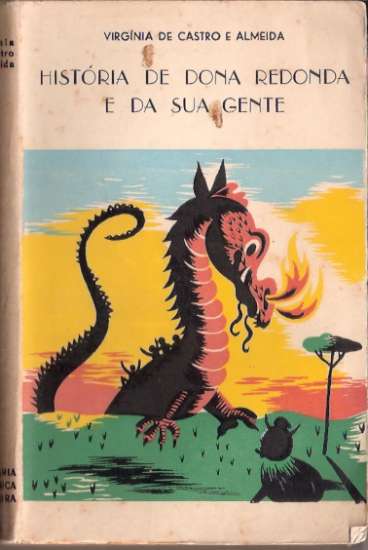
Na continuação da publicação anterior do blogue, hoje trago outro livro mais esquecido (embora mais acessível em bibliotecas municipais) que pode ser hoje algo mais polémico por evolução daquilo a que hoje se convenciona chamar "sensibilidades raciais". O livro de hoje é História de D. Redonda e da Sua Gente de Virgínia de Castro e Almeida, de 1942, escrito por uma autora originalmente notável pela sua ficção realista para crianças e por vários livros de história de Portugal (incluindo ensaios adultos) e que foi uma escritora, ao longo dos primeiros anos do Estado Novo, de uma série de romances ou de narrativas históricas romanceadas sobre vários períodos da nossa história, sempre vistos por um olhar patriótico e anti-liberal. Esta obra representou uma mudança interessante na obra desta autora: Virgínia de Castro e Almeida, que se estreara com o texto A Fada Tentadora sob o pseudónimo de Gy e depois recusara este texto como uma estreia menor, a princípio considerava que não se devia encher a cabeça das crianças de fantasias, assim as suas primeiras novelas infanto-juvenis (mais juvenis até) nos anos de 1890 e de 1900 eram narrativas realistas, passadas no mundo como o conhecemos, envolvendo protagonistas jovens, os seus guardiões adultos, viagens, e a apresentação dos jovens protagonistas a coisas reais de cada país e factos da ciência (efectivamente fazendo dela a "antepassado" da linha dos livros Uma Aventura de Ana Maria Magalhães e Isabel Alçada). Pelos anos de 1940, mais velha (e mais pesada; o texto parece insinuar que a Dona Redonda é um alter-ego da autora, como a sua amiga Dona Maluka é um alter-ego da sua amiga e ilustradora Inglesa), mudou de ideias quanto a isto, considerando o fantástico outro nível e forma de verdade, e portanto considerando aceitável o uso do maravilhoso e do irreal para crianças mais velhas e como forma de diversão e também de aprendizagem sobre a diferença real/irreal, sendo esta a sua primeira obra de fantasia desde a obra de estreia, sucedendo-se uma outra. 
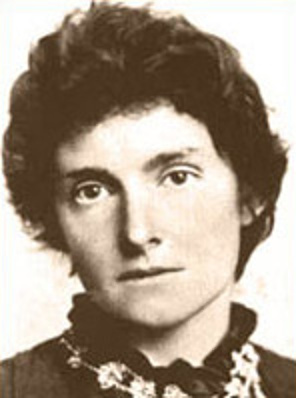
Fotografia e perfil da autora numa revista dos princípios do século XX
Torna-se também curioso reparar como esta evolução na obra da autora começou a dar-se com uma evolução ideológica da própria enquanto cidadã: os seus primeiros livros de aventuras juvenis realistas vinham da sua fase de republicanismo liberal e cooperativista, depois sucedendo-lhes livros narrativos ou ensaísticos de história pátria patriótica assinalando a sua evolução para o apoio da direita republicana e depois o Estado Novo (começando nas suas novelas de divulgação histórica o começo das suas cedências quanto ao realismo, embora devidas mais ao uso de linguagem rica de simbolismo do que por uso de maravilhoso irreal propriamente dito), e o seu regresso ao modo fantástico vem neste livro ao fim duma fase sua de quase "ultrapassagem pela direita" do Estado Novo (com aproximação do racialismo Nazi) e o seu segundo livro fantástico juvenil, também com D. Redonda, virá na altura de uma suave ruptura com o Estado Novo e adopção de um certo anarquismo filosófico ainda com espaço para patriotismo e tradicionalismo. E será isso que nos levará ao ponto polémico deste texto, mas já aí iremos...
Apesar de tudo isto, Virgínia de Castro e Almeida bem merecia ser ainda publicada e estar em todas as bibliotecas escolares, pelo papel notável que teve na evolução da literatura infanto-juvenil portuguesa. Ela foi a primeira escritora ou escritor em Portugal que não se limitou a registar contos tradicionais, a escrever livros de contos infantis originais, publicar pequenos volumes só com um conto ou a publicar teatro infantil ou poesia infantil, ajudando a impulsionar a prosa infanto-juvenil portuguesa com originais, longos (novelas e romances) e importando para Portugal o modelo da ficção infanto-juvenil e juvenil de aventuras britânico vitoriano e eduardiano, só uma ou duas décadas depois desse modelo de literatura cristalizar no final da época vitoriana e na passagem para o reinado do sucessor da Rainha Vitória Eduardo VII, sendo a Inglesa Edith Nesbit o paralelo principal da Portuguesa (França adoptava propriamente esse modelo na mesma altura em que de Castro e Almeida o trazia para Portugal: a literatura infantil/infanto-juvenil gaulesa era dominada por prosa longa ou curta tendendo ao moralista de influencia católica e dos contos tradicionais, com os autores mais aventureiros que hoje associamos a literatura para jovens como Júlio Verne na altura sendo considerados autores para adultos ou, vá lá, para jovens, o fosso entre literatura infantil e "genérica" sendo tão grande em França como cá); quem, seguindo o modelo britânico, ajudou a criar um meio-termo entre literatura infantil pura e literatura adulta (o vago conceito de literatura infanto-juvenil, e a criar um espaço "tampão" entre literatura infantil e adulta, a literatura juvenil) em Portugal foi Virgínia de Castro e Almeida, e dizer isto tudo ajuda a perceber a sua qualidade literária, dando para perceber que é uma autora de enredos mexidos, linguagem fácil sem ser facilitista, com enredo excitante e tudo o que se esperava dos melhores autores infanto-juvenis do final do século XIX e inícios do XX. Deve reconhecer-se porém que na lusofonia, Virgínia de Castro e Almeida tivera um precursor na adopção do modelo anglo-saxónico de novela fantástica infanto-juvenil, o Brasileiro Monteiro Lobato com A menina do narizinho arrebitado de 1922 (estreia de Narizinho e lançamento da série de livro sobre o Sítio do Picapau Amarelo).
E. Nesbit e Monteiro Lobato
Este livro passa-se em torno de Chico, um jovem Português que vai andando de bicicleta na floresta na região Oeste de Portugal, sonhando com aventuras caçando em África e afins, quando se encontra por acaso com Dick e Franz, um ruivo Inglês e um loiro Alemão, refugiados da II Guerra (sempre era 1942), e depois de uma breve discussão com o Inglês, os 3 ficam amigos e partem pelo mato em busca de pinhas (e pinhões) e quiçá de aventuras. Ora os 3 encontram em cima de uma árvore uma criança ainda mais nova, uma mulata que dá pelo nome de Zipriti. A partir daqui o livro não deixa ser complexado, visto que apesar de inofensivo, ganha aqui bastante subtexto e elementos claros que podem fazer impressão. Embora desde o princípio o trio seja um conjunto de personificações dos respectivos países e de conjuntos dos defeitos e qualidades estereotipados dos seus povos, isto é inofensivo até a personificação da África europeizada entrar em cena. Mas Zipriti até é uma personagem relativamente inofensiva visto que a sua personalidade quase hiperactiva faz dela interessante para o leitor, e a sua idade pode desculpar isto como caraterização realista de uma criança hiperactiva (apesar de não deixar de se ver assim personificada África como mais nova e mais infantil que os outros 3 países personificados pelas crianças brancas).
Zipriti nas ilustrações originais
Bem pior é quando surge um negro mais velho que trabalha na casa da D. Redonda (uma senhora gorda, redonda literalmente que nem uma bola que acolhe os 4 miúdos como "a sua gente" na sua casa), Bonda, uma figura quase tão infantil como Zipriti, que fala de forma parecida (menos desculpável num adulto), e reparamos que as ilustrações originais representam Zipriti e Bonda como outras "imagéticas darky" como referimos na publicação anterior. Mas pior talvez seja mesmo o que surge no "último acto" da novela: D. Redonda a certa altura começa a rir tanto que perde o juízo e cai ao chão e parte-se em fanicos, literalmente, partindo-se em muitas Donas Redondas pequeninas; os seus amigos guardam todas, e depois magicamente são levados a um caminho para a salvação da D. Redonda, contra vários desafios, e contra cada um, só um dos 4 (Chico, Dick, Franz e D. Maluka, Bonda e Zipriti sendo deixados para trás juntos com os Pikis, os cães de D. Redonda, o que também tem umas certas "implicações infelizes" em termos de subtexto) triunfa sobre o desafio em cada um deles, os outros 4 sendo derrotados por ele (dependendo da personalidade de cada um), e o desafio final, ultrapassado por Chico é um de humildade (de acordo com a imagem do Português humilde e de "pobreza digna") ante um adversário que parece saído de uma caricatura Nazi chamado «Isaac, o Rei dos Avarentos». Esta merece ainda mais um credo que o aspecto do Jobim d'O Pretinho de Angola.
Bem, fora todas estas questões, o livro é fortemente escrito no seu género para esta faixa etária, e é bastante fácil de ler e atraente, tendo várias sequências interessantes em que, depois de encontrarem Zipriti, os 3 rapazes encontram-se transportados no tempo magicamente, assumindo identidades adultas dentro dessas épocas históricas, viajando à conquista de Lisboa por D. Afonso Henriques, ao tempo do Infante D. Henrique como sábios que vão para a Escola de Sagres ver o retorno de marinheiros, e outras peripécias mais cómicas e "comezinhas". Como o livro da publicação anterior, com revisão das ilustrações e mudança neste caso da fala de Bonda (Zipriti como criança pequena ainda vá lá falar tanto na terceira pessoa, num adulto fica bizarro), podia ser um leitura popular. Este livro está presente em edições dos anos de 1990 em quase todas as bibliotecas municipais, e este livro e a sequela da mesma autora surgem também no sítio de downloads português Luso Livros, além de ter sido editada em Barcelona uma tradução castelhana ricamente ilustrada pelo ilustrador Espanhol Jorge Ravassa Masoliver que parece ter sido bastante popular com os leitores jovens locais.
 
Capa de uma edição dos anos de 1990 e a capa "modernizada" da Luso Livros


In the continuation of this blog's previous post, today I bring another book more forgotten (although more accesible in Portuguese municipal libraries) that can be today somewhat more polemic by evolution of what today is established to be called "racial sensibilities". Today's book is História de D. Redonda e da Sua Gente ("Story of Lady Round and of her Folk") by Virginia de Castro e Almeida, from 1942, written by an author originally remarkable for her realistic fiction for children and by several books of history of Portugal (including adult essays) and who was a writter that throughout the first years of the Portuguese New State, of a series of novels or romanced historical narratives on several periods of Portugal's history, always seen by an anti-liberal patriotic gaze. This work represented an interesting change on this author's work: Virginia de Castro e Almeida, who debuted herself with the text A Fada Tentadora ("The Tempting Fairy") under the pseudonym of Gy and afterwards refused that text as a minor debut, at first considered that one should not fill children's heads with fantasies, so her first children's/young-people's (and young-people's even) novellas in the 1890s and 1900s were realistic narratives, set in the world as we know it, involving young leads, and their adult guardians, travels, and the introduction of the young leads to real things from each country and science facts (effectively making her the "ancestor" of the line from the Uma Aventura/An Adventure books by Ana Maria Magalhães and Isabel Alçada). By the 1940s, older (and heavier; the text seems to insinuate that the Lady Round is an alter ego of the author's, as her Lady Krazy is an alter ego of her friend and English illustrator), changer her mind about that, considering the fantasy another level and form of truth, and hence considering acceptable the use of wondrous and of the unreal for older children and as form of amusement and also of learning on the difference real/unreal, being this her first work of fantasy since the debut work, following itself another one thus. 
Author photography and profile in an early-20th century magazine
It turns itself curious to notice how this evolution of the author's work started to give itself with the ideological evolution of herself while citisen: her first realistic young-people's adventure books came from her phase of liberal and cooperativist republicanism, afterwards following themselves to them narrative or essay-like patriotic fatherland's history books signaling her evolution unto the support of the republicsn rightwing and afterwards the Portuguese New State (starting in her historical popularising novellas the start of her yieldings about realism, although due more to the use of language rich on symbolism than for use of unreal wondrous proper), and her return to the fantasy mode comes in this book at the end of a phase of hers of almost "overtaking on the right lane" to the Portuguese New State (with approximation to the Nazi racialism) and of her second young-people's fantasy book, also with Dona Round, will come in the time-point of a suave break-up with the Portuguese New State and adoption of a certain philosophical anarchism still with room for patriotism and traditionalism. And it will be that that will take us to the controversial point of this text, but we shall get there...
Despite all this, Virginia de Castro e Almeida well does deserve to be still published and be in all the Portuguese school libraries, for the remarkable part that she had in the evolution of the Portuguese children's/young-people's literature. She was the first female or male writer that didn't limit one's self to record traditional tales, to write books of original children's tales, publish small volumes with just one short-story or to publish children's theatre or children's poetry, helping to boost the Portuguese children's/young-people's prose with originals, long ones (novellas and novels), and importing to Portugal the victorian and edwardian British adventure children's/young-people's and young-people's fiction model, onlu one or two decades after that literature model crystallising at the end of the victorian period and on the passage to the reign of the Queen Victoria's successor Edward VII, being the Englishwoman Edith Nesbit the main paralel to the Portuguese one (France adopted properly that model at the same time in which de Castro e Almeida brought it to Portugal: the Gaulish children's/children's & young-people's literature was dominated by long or short prose tending to the moralising of Catholic and traditional tale influence, with the more adventurous authors that today we associate to literature for youngungs like Jules Verne at the time being considered authors for grown-ups or, the farther, for young people, the chams between children's and "generic" literature being so big in France as here); who, following the British model, helped to create a golden mean between children's and grown-up literature (the vague concept children's-juvenile literature, and to create a "buffer" space between children's and adult literature, the young-people's literature) in Portugal was Virginia de Castro e Almeida, and to say all this helps to understand her literary quality, aiding one to understand that she is an author of stirred plots, language easy without being laxed, with exciting story and all that is expected out of the best children's/young-people's authors from the late 19th century and early 20th. Must recognise itself though that on lusophony, Virginia de Castro e Almeida had a precursor at the adoption of the anglo-saxonic model of children's/young-people's fantasy novella,the Brazilian Monteiro Lobato with A menina do narizinho arrebitado/"The Girl of the Little Turned-Up Nose" from 1922 (debut of Lucia "Little Nose" and launch of the book series about the Sítio do Picapau Amarelo/"Yellow Woodpecker Ranch-farm").
E. Nesbit and Monteiro Lobato
This book is set around Chico, a Portuguese youngster that goes around by bicycle on the forest of the West region of Portugal, dreaming with adventures hunting in Africa and alike, when he finds himself by chance with Dick and Franz, a redhead Englander and a blonde German, World War II refugees (it was 1942), and after a brief discussion with the Englander, the 3 become friends and leave through the backwood looking for pinecones (and pine-nuts) and perhaps for adventures. Well now the 3 find on top of a tree a younger child, a mulatta that goes by the name of Zipriti. Starting from here the book cannot help being complexed, seen that despite harmless, it gains here quite some subtext and clear elements that might irk one's self. Although from the beginning the trio be an ensemble of embodiments of the respective countries and of ensembles of stereotypical shortcomings and qualities of their peoples, this is harmless till europeanised Africa's embodiment enters the stage. But Zipriti is quite a relatively harmless character seen that the almost hyperactive personality of hers makes her interesting for the reader, and her age can excuse this as realistic characterization of a hyperactive child (despite not helping the seeing thus personified to Africa as younger and more childish than the 3 other countries personified by the white children).
Zipriti in the original illustrations
Much worse is when it comes-up an older black-man that works at Dona Redonda's house (a fat lady, round literally as only a ball can be who takes in the 4 kids as "her folk" at her house), Bonda, a figure almost as childish as Zipriti, who talks in way like her (less excusable on an adult), and we notice that the original illustrations represent Zipriti and Bonda as other "darky imageries" as we refered on the previous post. But worse maybe would really be what comes up in the "last act" of the novella: Dona Round at a certain point start laughing so much she looses her sense and falls to the ground and breaks herself into bits, literaly, breaking into many tiny Lady Rounds; and her friends guard all of them, and afterwards magicall are taken to a pathway for the salvation of Dona Round, against several challenges, and against each one, only one of the 4 (Chico, Dick, Franz and Dona Krazy, Bonda and Zipriti being left behind with the Pikis, the dogs of Dona Round, what also has certain "unfortunate implication" in terms of subtext) triumphs over the challenge in each one of them, the other 4 being defeated by it (depending on each one's personality), and the final challenge, overcome by Chico is one of humility (in agreement with the image of the Portuguese humble and of "dignified poverty) before an adversary that seems come out from a nazi caricature called «Isac, the King of the Misers». This one deserves even more a darn than Jobim's look fro' O Pretinho de Angola/"The Little Negro from Angola".
Well, aside all these questions, the book is strongly written in its genre for this age group, and it is quite easy to read and attractive, having several interesting sequences in which, after finding Zipriti, the three boys find themselves transported in time magically, assuming grown-up identities within those historical times, travelling to the conquest of Lisbon by King Don Alfonso Henriques, to the time of the Infant-prince Don Henry as wisemen that go to the School of Sagres to see the return of sailors, and other mishaps more comical and "humdrum". Like the book from the previous post, with revision of the illustrations and change in this case of Bonda's speak (Zipriti as a small child still doesn't go too far she talking so much on the third person, on a grown-up it gets bizarre), could be a popular read. This book is present in editions from the 1990s in almost all Portuguese municipal libraries, and this book and the same author's sequel come-up also at the Portuguese download website Luso Livros ("Luso Books"), besides having been edited in Barcelona a Castilian Spanish translation richly illustrated by the Spanish illustrator Jorge Ravassa Masoliver that seems to have been popular local young readers.
 
Cover of one 1990s edition and "modernised" cover from Luso Livros