Mostrar mensagens com a etiqueta livros de contos. Mostrar todas as mensagens

quinta-feira, 29 de outubro de 2015

"O Homem que Perdeu O Cérebro", Repórter X (pseudónimo de Reinaldo Ferreira) // "The Man Who Lost His Brain", Reporter X (pseudonym of Reinaldo Ferreira)

Já falámos aqui de Mário Domingues, o autor Luso-Santomense que foi jornalista, divulgador da história, ficcionista de policial e western. Esta publicação diz respeito ao "mestre" literário e jornalístico de Domingues, o Lisboeta Reinaldo Ferreira. Ferreira foi um talento precoce no jornalismo, com 12 anos e um domínio que bastava do Espanhol enviava (segundo a Grande Enciclopédia Portuguesa e Brasileira, da qual o próprio foi colaborador, diz num artigo sobre ele publicado pouco antes da sua morte em 1935) artigos para serem publicados em publicações espanholas, e por volta dos 17 anos começou no jornal O Século a fazer cobertura de incêndios (Ferreira, que parecia levar a imaginação sempre para o pior, quando o editor lhe perguntou se "já fizera incêndios" assumiu que queria perguntar se já tinha ateado um e disse que não, iniciando a sua estreia nesta "especialização" jornalística à falta de um jornalista para cobrir um incêndio na área de Lisboa). Em 1917, o autor criou um alvoroço com folhetins sob o título de O Mistério da Rua Saraiva de Carvalho e o pseudónimo Gil Goes (apresentado como um "jornalista-detective") em que descreve uns crimes em Lisboa envolvendo supostos cadáveres, um vilão chamado "O Homem dos Olhos Tortos" e mesmo um "anel de espionagem" Alemão (isto era durante a I Guerra Mundial), que provocaram o pânico em Lisboa e foram um sucesso de leitores e só pouco antes do fim da publicação, para terminar o pânico, foi revelado que tudo era ficção e Goes era Ferreira, o que não apagou o sucesso do folhetim até ao fim.
Pouco depois, um filme seria rodado por Leitão de Barros e o raramente também referido Luís Reis Santos para a produtora por ele criada Lusitânia Films, mas a rodagem ficaria incompleta e o filme em negativo, devido ao cenário quase de comédia à portuguesa em torno da produtora (Leitão de Barros fora para Lisboa para estudar, usando o dinheiro das tias da província para criar a produtora, e quando o dinheiro acabou, não conseguindo ele mais devido às tias ficarem a saber do uso dado ao dinheiro anterior, a companhia acabou após uma curta vida, deixando um filme incompleto). O filme seria "restaurado" pela Cinemateca numa cópia com boa qualidade de imagem mas que mantém toda a filmagem em bruto (incluindo takes repetidos), tendo cartões-título introduzindo cada secção do filme segundo capítulos do texto original (ao invés de os dividir ao longo do tempo para tornar as imagens menos crípticas e o visionamento menos desinteressante) e não tendo qualquer banda-sonora (uma versão restaurada com banda-sonora e montagem devida pode ser encomendada por 5 Euros em DVD físico ou ficheiro WMV ou MPEG por email a omosquito_publishers@gmx.com, com cartões-título novos, e até legendas em Inglês, Francês e Espanhol).
Amostra do restauro da O Mosquito Publishers
Depois do sucesso literário e jornalístico d'O Mistério da Rua Saraiva de Carvalho, ele teria um trabalho intenso no jornalismo (sendo considerado o principal jornalista Português pela altura da sua morte, apesar de ser também dos que mais extrapolava e "aldrabava" mesmo que por vezes inconscientemente, ou até inventando como a reportagem duma viagem na Rússia Soviética escrita na verdade em Paris através de testemunhos de Russos exilados e reportagens de jornalistas não-Portugueses, apesar das reportagens sobre lutas políticas em Espanha serem notáveis), para o final da sua carreira já nos anos '30 criando até os seus próprios jornais e revistas que por questões logísticas imprimia em Barcelos, em que surgia muita ficção policial e lançou autores e jornalistas como Domingues, foi autor de muita ficção popular (entre policiais, algum fantástico e ficção científica) e melodramática e até de teatro, trabalhou nalgumas das primeiras produções de cinema em Barcelona (onde viveu anos e nasceu o seu filho Reinaldo Ferreira, Filho, poeta, dramaturgo radiofónico e letrista das canções ligeira Uma Casa Portuguesa e Kanimambo, longo tempo radicado em Moçambique) como assistente de realização e depois começou a realizar ele mesmo (para a sua produtora Repórterx Film, filmes como o policial mudo O Taxi Nº 9297 e as comédias Hipnotismo ao DomicílioVigário Sport Club e Rita ou Rito?..., todos de 1927, este último sendo o primeiro retrato do travestismo no cinema português, infelizmente todos hoje sem banda-sonora original). Muita da obra de Ferreira foi criada sob um pseudónimo que nasceu de um erro de impressão: assinou uma reportagem só "Repórter" mas um erro de impressão que fez uma mancha que pareceu um X, acaso que ele apreciou; o Repórter X foi também o protagonista ficcional de textos do próprio Ferreira escritos sob esse pseudónimo (no princípio da sua carreira, que eles fossem a mesma pessoa era desconhecido pelo público, ao ponto de Ferreira ter um dia entrevistado o seu próprio alter-ego/personagem para um jornal). Em 1987, José Nascimento pegou na estória deste muito esquecido personagem outrora mítico e fez a longa de ficção Repórter X, na qual Joaquim de Almeida se estreou no cinema Português (tendo já começado a sua carreira internacional antes) no papel-título, e em 2002 o docudrama da RTP Repórter X Reaparece (realizado por Alexandre Reina e Nuno Vaz e com cenas de reconstituição ou surreais com João Reis como Ferreira, baseado principalmente na autobiografia da recuperação da toxicodependência do escritor, Memórias de um Ex-Morfinómano) renova este arrastado ressuscitar da popularidade do autor que ainda hoje está a ser operado.
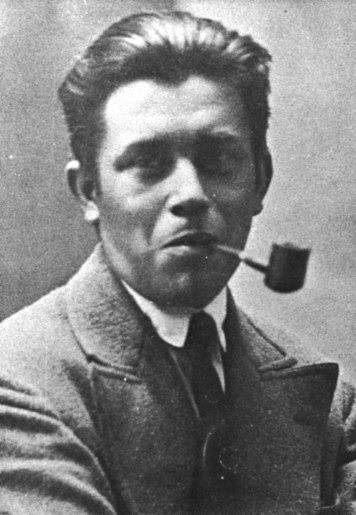
Reinaldo Ferreira, Pai, uma mistura de Conan Doyle, de Sherlock Holmes memorialista de si próprio, e de Tintim da vida real
Estando introduzido outro "ilustre desconhecido" merecendo ser conhecido e louvado de novo, passemos à obra em questão: este volume O Homem que Perdeu o Cérebro é uma colectânea feita pelas Edições Rolim em 1987 (até que ponto isto foi o que os Anglo-Saxónicos chamam tie in ou "enlaçar" de um produto com outro lançado na altura, no caso com o filme de Nascimento, é pura especulação) de 3 contos longos ou noveletas, creio que escolhidas ao acaso, mas que, sendo todos policiais, todos excepto o último publicados na colecção Novela Policial dirigida (e parcialmente escrita) por Ferreira em 1931 e sendo todos protagonizados pelo alter-ego personagem de Ferreira, o Repórter X que escreve na primeira pessoa, acabam por não fazer um volume cacofónico, sendo muito mais criticável a inclusão da obra na Colecção Fantástico da Rolim quando os livros são puramente policiais e só podem parecer vagamente fantásticos pela linguagem e escrita algo expressionista e alguns minúsculos toques que poderão parecer irreais de uma forma paranormal.
Capa e contracapa (ou antes o contrário) da edição da Rolim
Este volume (até por ser dos poucos deste autor que se podem encontrar com facilidade fora de alfarrabistas) é uma óptima introdução ao estilo de Reinaldo Ferreira, que é constituído por enredos movimentados, folhetinescos e aventurosos, como na chamada pulp fiction, mas com uma escrita estilística mais polida e esbelta, sendo especialmente interessante hoje pela riqueza do vocabulário e pelos vocábulos muitos deles hoje fora de uso, menos usados ou usados mais com outros significados que podemos achar nele, além de o uso de estrangeirismos dar uma ideia de um ambiente de Lisboa e arredores cosmopolitas (falamos da Lisboa de turistas e missões diplomáticas estrangeiras, da Sintra turística e do Vale do Tejo de algum cosmopolitismo de marinheiros e mercadores marítimos) e de um Portugal a modernizar-se e "aburguesar-se" segundo modelos anglo-franceses; o crítico e autor Jorge Candeias pelo contrário considera que isto é irritante e mais de "provincianismo armado aos cágados", mas discordo e considero o tão rico como o resto da estilística e vocabulário deste tesouro de pulp fiction.
Não, não é isto. É isto
Os textos deste volume não têm tempos mortos ou "gorduras indesejáveis" (citando Candeias), são directos e têm um ambiente de mistério bem sucedido que se desvenda em parte de forma apressada mas em parte de forma completamente natural e seguindo o ritmo das chegadas das pistas, portanto não há nenhuma razão para alguém ficar desiludido com a leitura destas obras-primas do policial popular inesperadas na nossa literatura para a imagem estereotipada da literatura portuguesa que os nossos críticos querem passar), excepto pelo enganador dos títulos e pelo incluir sem nexo destes policiais numa colecção de literatura fantástica, porque O Homem que Perdeu o Cérebro não é literal e realmente sobre um homem a quem removeram o cérebro por alguma cirurgia de ficção científica primitiva, e Os Anfíbios do Tejo não é literalmente sobre algum mundo de criaturas mutantes anfíbias à beira Rio Tejo. O Homem que Perdeu o Cérebro é uma narrativa de mistério e crime típica do policial da viragem do século XIX para o XX e do princípio do XX, que envolve o protagonista/autor encontrar-se com um misterioso Inglês num eléctrico que tenta pedir-lhe auxílio dizendo estar sozinho; pouco depois surge a mulher do dito com dois bebé papudos, e pouco depois os 4 desaparecem, deixando o Repórter confuso quanto a isto tudo. Suspeita que o homem "não bata bem", mas pouco depois vemos que o caso é mais complicado do que parece, e o verdadeiro louco pode ser uma outra figura confundida com o Inglês do eléctrico. Na verdade, tudo é um caso que mete loucura, homicídio, roubo de identidade e várias outras aventuras e desventuras típicas do folhetim, do romance popular e da literatura de cordel, o que é tão competente quer pela escrita e enredo de Ferreira quer pelo seu vocabulário e estilo. Fantástico neste romance, só se (usando da noção de fantástico do crítico Franco-Búlgaro Tzvetan Todorov que concerne coisas que deixam na dúvida o leitor quanto à naturalidade ou sobrenaturalidade do que lê, ouve ou vê) concedermos que realmente há alguma dúvida sobre o quão literal o "perder o cérebro" de que se queixa um vilão é, e o que teria provocado a dita perda (se ele de facto ocorreu).
Capas de algumas novelas da colecção Novela Policial incluindo As azagaias da princesa mulata à venda no Olx
Depois vem As Azagaias da Princesa Mulata, em que o autor é desperto e vê que a definição do seu horário para esse dia foi definido por agentes de uma Princesa Zaizá da Abissínia (hoje Etiópia), que reclama ser uma descendente de uma união de D. Sebastião com uma Moura negra durante um cativeiro após uma suposta sobrevivência a Alcácer-Quibir e por isso pretende reconhecida a sua reivindicação de pretendente ao trono português pela República Portuguesa. A Princesa mulata e os seus servidores querem forçar o Repórter a escrever artigos em defesa da sua causa, para porém a opinião pública lusa do seu lado. Ao longo do enredo, o Repórter é ameaçado com lanças (azagaias africanas) lançadas de um carro misterioso pela própria Zaizá, que atingem sempre muito perto de si sem o atingir de facto, e ele descobre depois que um trabalhador dos Negócios Estrangeiros Português fora morto também com uma azagaia quando estava num café. Embora novamente o policiário, o crime e o mistério sejam principais, aqui já parece surgir um vago travo a fantástico, devido a umas descrições de uma força e agilidade sobre-humana e quase felina da Princesa Zaizá (embora isso poderá ser explicado por um treino militar de elite ou pelas vagas e misteriosas descrições do autor). Alguns como Jorge Candeias têm problemas com a solução do mistério assentar no reconhecimento pelo autor de um certo cheiro, que ele reconhece na altura exacta e não antes de uma forma que pode parecer aleatória e por conveniência, mas pessoalmente parece só o efeito de um protagonista que se viu "afogado" num caso imenso e teve de "assimilar" muito, e creio que o texto insinua com as referências anteriores ao dado cheiro que muito antes da dedução precisa, o herói ia suspeitando e pensando sobre a questão, que assim seria uma solução muito menos "caída do céu".
Por fim, vem a noveleta Os Anfíbios do Tejo, com um ambiente de aventura folhetinesco-policial como os anteriores mas que apresenta no início um ambiente de horror bem-construído (que será a única coisa vagamente "fantástica" que tem), embora no final este seja substituído, embora de uma forma algo natural e satisfatória, por uma solução policial usual (um pouco menos natural pode parecer a forma como esta noveleta, protagonizada de facto por um "anfíbio do Tejo" (um trabalhador fluvial que ganha a vida entre terra e o rio nos paquetes que aportam ao porto de Lisboa), Manuel Belchior alcunhado o Sete-Línguas, de repente passa a ser o protagonista o Repórter X e um amigo historiador no final, analisando o desaparecimento deste e solucionando-a e conseguindo apreender o culpado, embora não deixe de ser agradável, depois de 2 textos com o Repórter X, voltar a "ver" (lêr?) o nosso "velho amigo". O enredo, esse começa quando "Sete-Línguas" lê um jornal num café, recorta um pedaço dum anúncio de jornal, lê-o, e parte com ele, deixando o resto do jornal para trás (os outros tentam perceber o que o atraiu comprando um jornal do dia e vendo o que falta no espaço recortado, mas como não olham para a página certa da folha da secção de anúncios, pensam que ele vai responder a um anúncio de procura duma ama-de-leite, ao invés do verdadeiro anúncio que lhe cativou a atenção). No seguimento do anúncio, ele vai a uma casa isolada, onde consegue ultrapassar alguns desafios pelo caminho, mas acaba por ser apanhado por uma armadilha, o que lhe impede de desvendar um mistério ligado com a sua família. Este mistério será esclarecido pelo Repórter e o seu amigo no final do texto, com uma solução que apesar de ser devidamente elaborada numa novela que é referido em nota de rodapé, O Segredo dos Reis de Portugal que inaugurou a Série Novela Contemporânea por ele editada em 1924-25 (reunindo novelas de vários autores do jornalismo e literatura da altura, incluindo Domingues e um jovem Ferreira de Castro, cujo estilo inicial se parecia muito ao de Reinaldo Ferreira), não deixa de ficar concluída de forma auto-contida, sem mais informações, neste livro que (ao contrário de O Segredo dos Reis de Portugal) se pode encontrar em quase todas as bibliotecas municipais.


We already spke here of Mario Domingues, the Portuguese-Santomean author who was journalist, populariser of history, detective-mystery/crime and western fiction-writer. This post concerns the literary and journalistic "master" to Domingues, the Lisbon-native Reinaldo Ferreira. Ferreira was a precocious talent in journalism, at 12 years-old and with a sufficing domain of Spanish he sent (according to the Grande Enciclopédia Portuguesa e Brasileira/"Great Portuguese and Brazilian Encyclopedia", of which he himself was collaborator, says an article on him published little after his death in 1935) articles to be published in Spanish publications, and around 17 years-old he started in the O Século ("The Century") newspaper doing fire coverage (Ferreira, who seemed to take his imagination always to the worst, when the editor asked him if "he already had done fires" he assumed that he meant if he had set one and he told him that he hadn't, initiating his debut in this journalistic "expertise" in lack of a journalist to cover a fire in the Lisbon area). In 1917, he author created an uproar with feuilletons under the title of O Mistério da Rua Saraiva de Carvalho/"The Mystery of Saraiva de Carvalho Street" and the pen-name Gil Goes (presented as a "journalist-detective" in which it describes some crimes in Lisbon involving supposed corpses, a villain called "The Man of the Crooked Eyes" and even a German "spy ring" this was during World War I), that provoked a panic in Lisbon and were a success of readers and only little before the end of the publishing, to finish the panic, it was revealed that all was fiction and Goes was Ferreira, what did not erase the serialised feuilleton till the end.
Little afterwards, a film would be shot by Leitao de Barros and the rarely also mentioned Luis Reis Santos for the producer by the former created Lusitânia Films, but the shot would stay incomplete and the film in negative, due to the almost Portuguese-style comedy scenario around the production company (Leitao de Barros had gone to Lisbon to study, using the money of the provincial countryside aunts to create the production company, and when the money ended, not getting he more due to the unts getting to know ofthe use given to the previous money, the comppany ended after a short life, leaving a film incomplete). The film would be "restored" by the Portuguese Cinematheque in a copu with good image quality but that keeps all the raw filming (including repeated takes), having title cards introducing each section of the film according to chapters from the original text (instead of dividing them throughout time for turning the images less criptic and the visioning less uninteresting) and not having any soundtrack (a restored version with soundtrack and due montage to be bought by order for 5 Euros in physical DVD or WMV or MPEG file by e-mail to omosquito_publishers@gmx.com, with new title cards, and even subtitles in English, French and Spanish).
Sample from the O Mosquito Publishers restoration
After the literary and journalistic success o' O Mistério da Rua Saraiva de Carvalho/"The Mystery of Saraiva de Carvalho", he would have an intense work in journalism (being considered the main Portuguese journalist by the time-point of his death, despite being also one of the ones that the most did extrapolate and "drib and drab" even if sometimes unconsciously, or even making it up like the news piece of a trip to Soviet Russia written indeed in Paris though testimonies of exiled Russians and news pieces of non-Portuguese journalists, despite the news pieces on the political struggles in Spain being remarkable), to the ending of his career already in the '30s creating even his own newspapers and magazines that for logistic issues printed out of Barcelos, in which it came-up much detective-mystery/crime fiction and launched authors and journalists like Domingues, was author of much popular (among detective-mystery/crime stories, some fantasy and science fiction) and melodramatic fiction and even theatre, worked in some of the first cinema productions in Barcelona (where he lived some years and it was born his son Reinaldo Ferreira, Son [profile by Reinaldo Ferreira III], poet, radioplaywright and lyricism of the light songs Uma Casa Portuguesa/"A Portuguese House" and Kanimambo, long time established in Mozambique) assistant director and afterwards started to direct he himself (for his Repórterx Film, films like the silent detective-mystery/crime story O Taxi Nº 9297/"The Taxi No. 9297" and the comedies Hipnotismo ao Domicílio/"Housecall Hipnotism", Vigário Sport Club/"Bunkum Sport Club" and Rita ou Rito?.../"Rita or Rich?", all from 1927, this latter being the first portrayal of cross-dressing on Portuguese cinema, unfortunately all today without original soundtrack). Much of Ferreira's work was created under a pen-name that was born from a printing error: he signed one new piece just "Reporter" but a printing error made a spot that seemed like an X, chance that he appreciated; the Reporter X [not the Guatemalan one] was also a fictional lead of texts by Ferreira himself written under that pseudonym (at his career's beginning, that they were one and the same was unknown by the audience, to the point of Ferreira one day having interviewed his own alter egot/character for a newspaper). In 1987, film director Jose Nascimento picked up the story of this little known of yore mythical character and made the fictional long feature Repórter X, in which Joaquim de Almeida debuted unto Portuguese cinema (having already started his international career before) on the title role, and in 2002 the RTP TV docudrama Repórter X Reaparece ("Reporter X Reappears", directed by Alexandre Reina and Nuno Vaz and with reenactment or surreal scenes with João Reis as Ferreira, based mainly on the autobiography of the writer's drug-dependency, Memórias de um Ex-Morfinómano/"Memoirs of an Ex-Morphinomaniac") renews this dragged-out resurrecting of the author's popularity that is still today being undertaken.
Reinaldo Ferreira, Father, a mixture of Conan Doyle, of Sherlock Holmes memoirist of himself, and of real life Tintin
Being introduced another "illustrious unknown" deserving to be known and praised again, let us pass to the work in question: this volume O Homem que Perdeu o Cérebro ("The Man Who Lost His Brain") is a collection made by the Edições Rolim publisher in 1987 (till what point this was what the anglo-saxonics called tie in of a product with another released on that time-point, in the case with the Nascimento film, is pure speculation) of 3 long short-stories or novelettes, I believe that chosen by chance but that, being all detective-mystery/crime stories, all except the last one published in the Novela Policial collection directed (and mainly written) by Ferreira in 1931 and being all starring Ferreira's character alter ego, the Repórter X who writes in the first person, end-up by not making-up a cacophonic volume, being much more criticisable the inclusion of the work on the Colecção Fantástico ("Fantasy Collection") by Rolim when the books are purely detective-mystery/crime and only can seem vaguely fantastical by the language and somewhat expressionist writing and some miniscule touches that might seem unreal on a paranormal fashion.
Cover and back-cover (or better put the reverse) of the Rolim edition
This volume (it even may be among the few of this author that may be find with ease outside the old-book-sellers) is a great introduction to Reinaldo Ferreira's style, that is constituted that is made-up of eventful plots, serial-like and adventurous, like in the so-callled pulp fiction, but with a more polished and svelte stylistic writing, being specially interesting today for the richness of the vocabulary and for the vocables many of them out of use, less used or used more with other meanings that we can find in it, besides use of loanwords giving an idea of an environment of Lisbon and surroundings (we speak of he Lisbon of tourists and foreign diplomatic mission, of the da touristic Sintra and of the Tagus Valley in some cosmopolitanism of sailors and maritime merchants) and of a Portugal modernising itself and "bourgeoning" according to anglo-french models; the reviewer Jorge Candeias on the contrary considers that this is irritating and more of "show-off provincianism", but I disagree and consider it so rich how the rest of the stylistic and vocabulary of this pulp fiction treasure.
No, not this. It is this
The texts of this volume have no down times or "undesirable fats" (quoting Candeias), are straightforward and have a successful mystery ambience that unravels in part in rushed way but in part in completely natural way and follwing the rhythm of the arrivals of the clues, hence there is no reason for someone to stay disappointed with the reading of these masterpieces of the detective-mystery/crime story unexpected for the steotypical image of Portuguese literature that Portuguese critics want to pass unto us), except by the deceiving of the titles and by the senseless including of these detective-mystery/crime stories into a fantasy literature collection, because O Homem que Perdeu o Cérebro/"The Man who Lost the Brain" is not literal and really on a man to whom they removed the brain by some early science fiction surgery, and Os Anfíbios do Tejo/"The Amphibians from the Tagus" is not literally on some world of amphibian mutant creatures by the Tagus River. The Man Who Lost His Brain is a mystery and crime narrative typical of the detective story from the turn of the 19th to the 20th century, which involves the lead/author meeting with a mysterious Englishman on a streetcar that tries to ask him for aid telling him he is by himself; litle after comes-up the woman of the latter with two jowly babies, and littleafterwards the 4 disappear, leaving the Reporter confused on all this. He suspects that the man "is not quite right", but little afterwards we see that the case is more complicated than it seems, and the truth madman might be another figure confused with the Englishman from the streetcar. In truth, all is a case that gets in madness, homicide, identity theft and several other adventures and misadventures typical of the feuilleton, of the dime novel and the chapbook literature, what is as competent for Ferreira's writing and plotting and for his vocabulary and style. Fantasy in this novel, only if (using the notion of fantastical of the French-Bulgarian critic Tzvetan Todorov that concerns things that leave at doubt the reader about the naturality or supernaturality of what one reads, hears or sees) we conceed that really there is some doubt on how literal the "losing the brain" that the villain complains of is, and what would have provoked said loss (if in fact it occured).
Covers of some Novela Policial/"Detective-Mystery/Crime Novella" collection novellas including As azagaias da princesa mulata"/The javelins of the mulatta princess" for sale at Olx
Afterwads comes As Azagaias da Princesa Mulata/"The Javelins of the Mulatta Princess", in which the author is awakened and sees that the setting of his schedule for that day was set by agents of one Princess Zaizah of Abissinia (today Ethiopia), who claims to be a descendant from a union of Don Sebastian with a black Mooress during a captivity afterwards to a supposed survival to Alcazar-El-Kebir and for that intends to be recognised her claim to the Portuguese throne by the Portuguese Republic. The mulatta princess and her servers want to force the Reporter to write articles in defense to her cause, for putting the luso public opinion on her side. Along the plot, the Reporter is threatened with spears (African javelins) cast out from a mysterious car by Zaizah herself, that always hit very close to himself without hitting him infact, and he discovers that a Portuguese Foreign Affairs worker had been killed also with a javelin when he was at a cafe. Although again the detectivesque, the crime and the mystery be leads, here now it appears to come-up a vague aftertaste to fantasy, due to some descriptions of a superhuman an almost feline force and agility of the Princess Zaizah (although that might be explained by an elite military training or by the vague and mysterious descriptions of the author). Some like Jorge Candeias have problems with the mystery's solution standing on the recognition by the author of a certain smell, that he recognises at the exact time-point and not before in a way that might seem random or by convenience, but personally it seems just the effect of a protagonist that saw himself "drowned" on an immense and had to "assimilate" much, and I believe it so that the text insinuates with the previous references to the given smell that much before the needed deduction, the hero went suspecting and thinking on the issue, that so would be a much less a solution "dropped from the sky".
At last, comes the novelette Os Anfíbios do Tejo/"The Amphibians from the Tagus", with an ambience of serial-detective adventure like the previous ones but which presents at the beginning a well-constructed horror ambience (which shall be the only vaguely "fantastical" thing that it has), although at the end that be replaced, although in somewhat natural and satisfactory way, by an usual detective-mystery/crime solution (a little less natural may seem the way how this novelette, starred by an "amphibian from the Tagus", a waterway that earns the life between the land and the river in the liners that board the Lisbon port, Manuel Belchior nicknamed the "Seven-Tongues", suddenly it passes unto being lead the Reporter X and a historian friend of his at the ending, analysing the desappearance of the former and solve it and getting to aprehend the guilty-party, although it does not cease being agreeable, after 2 texts with the Reporter X, getting back to "see" (read?) our "old friend"). The plot, that one starts when "Seven-Tongues" reads a newspaper at a cafe, cuts-out a piece of a newspaper ad, reads it, and leaves with it, leaving the the rest of the newspaper behind (the others try to understand what attracted him byuing the newspaper of the day and seeing what is missing on the cut-out space, but as they do not look at the right page of the advertisement section's sheet, they think that he is going to answer an ad of want for a wet nurse, instead of the real advert that captivated his attention). Following the advert, he goes to an isolated house, where he gets to overcome some challenges along the way, but ends up being caught by a trap, what prevents him from unraveling a mystery connected with his family. This mystery will be cleared-up by the Reporter and his friend at the text's ending, with a solution that despite being duely elaborated upon in a novella that is refered in footnote, O Segredo dos Reis de Portugal/"The Secret of the Kings of Portugal" which inaugurated the Serie Novela Contemporânea/"Contemporary Novella" by him edited in 1924-25 (gathering novellas by several authors of journalism and literature from that time-point, including Domingues and young future famed novelist Ferreira de Castro, whose early style resembled much Reinaldo Ferreira's), does not cease being concluded in self-contained way, without more informations, on this book that (unlike The Secret of the Kings of Portugal) can find itself in almost all the Portuguese municipal libraries.

sexta-feira, 7 de agosto de 2015

"Contos e Lendas", Rebelo da Silva // "Tales and Legends", Rebelo da Silva

Contos e Lendas tem algumas coisas que distinguem esta obra de outras que veremos ao longo deste blogue. Expliquemos: ao contrário de outras do tipo a que nos temos habituado, não temos aqui contos (pelo menos sempre) cheios de aventuras e proezas heróicas, nem lendas de cavaleiros e cheios de maravilhoso (como poderíamos esperar depois das obras arturianas de Augusto da Costa Dias e de Jorge Ferreira de Vasconcelos), mas este volume saído em 1873 (dois anos depois da morte do autor) recolhendo diversos contos e novelas deste autor, salvo erro alguns publicados ainda antes da sua morte (por exemplo o conto A Torre de Caim, incluído no romance Ódio Velho Não Cansa, que será em breve visto neste blogue) e alguns inéditos, mostra algo que é um marco na maturidade da escrita da segunda geração do Romantismo português (a que este autor mais jovem que privou com Herculano e Garrett pessoalmente), e mostra também um autor que encontrava-se no topo das suas faculdades e conhecimentos intelectuais e mostrava o seu envolvimento e trabalho em vários aspectos destes textos (no conhecimento dos detalhes da história e dos aspectos de sociedades passadas de Portugal, ou não fosse professor de História no Curso Superior de Letras, um conhecimento cuidado da língua portuguesa e de várias ciências e artes, ou não fosse um sócio da Academia Real das Ciências de Lisboa desde 1854, membro do Conservatório Nacional e do Instituto Coimbra e de várias instituições brasileiras, uma vontade de educar os seus compatriotas leitores através da ficção, ou não fosse parte do Conselho Superior de Instrução Pública no seu tempo, e um forte patriotismo, ou não fosse um membro fundador da anti-iberista Comissão Central 1.º Dezembro de 1640 e antigo Ministro dos Negócios da Marinha e do Ultramar do Reino de Portugal de 11 de Agosto de 1869 a 20 de Maio de 1870).
Rebelo da Silva ao final da vida
Nós vemos quase todas estas facetas deste autor ao longo desta obra de contos e novelas (que é hoje dos mais conhecidos volumes deste hoje algo esquecido autor). Este livro de 4 textos (fora a introdução escrita originalmente pelo autor para esta obra póstuma planeada em vida, em 1866) abre com o conto A Torre de Caim. Este conto de fantástico medieval lembra um pouco o "sabor" da novela A Dama Pé-de-Cabra de Alexandre Herculano, sendo porém mais fortemente católico (no texto de Herculano, condizendo com o perfil do autor que já neste blog descrevemos, vemos um cristianismo intenso mas auto-crítico) e também mais romântico em termos de enredo. O enredo é aqui sobre um casal à Romeu e Julieta no actual concelho de Figueira da Foz (a "Torre de Caim" do título é a torre do antigo castelo de Santa Olaia) separado por uma luta de clãs (neste caso posta no contexto do conflito Mouros-Cristãos da Reconquista um século antes da fundação da nossa nacionalidade), cruzado com um triângulo amoroso envolvendo dois antigos amigos feitos rivais amoroso, e claro, intervenções satânicas e sobrenaturais que distinguem o livro da maioria da literatura do género em Portugal e no mundo (e dão mais interesse ao próprio conto em si). O enredo é relativamente simples (até previsível para o leitor mais habituado ao tipo de enredo de literatura romântico-histórica), mas o facto de ser relativamente curto e bastante bem escrito estilisticamente ajuda-o a 'escorrer pela garganta abaixo' facilmente.
Os restos actuais dos antigos castro e castelo em Santa Olaia
Depois de um conto verdadeiramente fantástico, vem uma novela algo longa que parece continuar o mesmo ambiente sobrenatural. O Castelo de Almorol passa-se no século XVII e envolve os proprietários à época dos terrenos do ribatejano Castelo de Almourol sobre uma margem do Tejo. Estes encontram-se muito preocupados por estórias de assombrações que rondam aqui. Mas neste texto, pelo contrário o sobrenatural insinuado e brilhantemente apresentado por escrita e estilo por Rebelo da Silva é um engodo, criado para enganar os proprietários e os afastar. Este texto, que se anunciava tornar num brilhante romance de Rebelo da Silva, infelizmente não foi acabado por morte do autor, sendo assim incluído nesta colecção póstuma com os textos que em vida o autor já tinha preparados para uma colectânea de contos.
O referido castelo
Depois vêm outra novela, A camisa do noivado, uma novela histórica agora essencialmente realista em que o "gótico" só vem (para além do período da história na arte representado) de um certo "grafismo" relacionado com a narração da justiça por vezes cruel de D. Pedro I (sim, o da Inês de Castro e d'O Arco de Sant'Ana). Este enredo começado em Algoço, Trás-os-Montes, é uma das provas de que (como diz a citação de Fernão Lopes com que abre o texto) «Assi que bem podem dizer deste rei D. Pedro, que nom sairom em seu tempo certos os ditoos de Solon, filosopho, e d'outros, alguns dos quaes disserom, que as Leis e justiça erom como teias de aranha nas quaes os mosquitos pequenos, caindo, são reteudos e morrem em ella, e as moscas grandes e que som mais rijas, jazendo em ellas rompem-as e vão-se.» Pela fama de Pedro, "o Cruel" ou "o Justiceiro" e esta epígrafe bem que podem imaginar o que se passará...
D. Pedro I num imaginado retrato pós-medieval
As palavras introdutórias vivas e bem-escritas de Rebelo da Silva, estas narrativas de fantástico horripilante, de conspiração entre fidalguia e aparente sobrenatural e de justiça incorruptível medieval poderiam por si só bastar para marcarem o leitor quanto ao estilo e visão de Rebelo da Silva enquanto escritor (e para muito ao longo século XX assim o foi, visto que foi a obra mais lida deste autor neste período), mas para além do leve toque sobrenatural (ou quase-sobrenatural), o principal do livro é dado pelo seu último texto, o realista conto histórico A Última Tourada em Salvaterra de Magos, inspirado num episódio real do consulado do Marquês de Pombal. Nele encontramos a relativamente curta descrição de um confronto renhido em praça de touros entre um jovem aristocrata, enquanto toureiro a cavalo, e um touro possante (e pujante), e como o animal triunfa sobre o jovem mas o pai deste não terá o mesmo (in)sucesso. O grande foco (e conclusão) do episódio é o contexto em que se passa o episódio, durante um confronto com Espanha que se está prestes a desencadear uma breve guerra no meio da Guerra dos Sete Anos (que nos EUA deu origem à Guerra Franco-Índia representada n'O Último dos Moicanos de Fenimore Cooper, e em Portugal ficou conhecida como "Guerra do Mirandum" ou "Guerra Fantástica", representada no filme de Fernando Matos Silva Guerra do Mirandum de 1984 com banda-sonora de Fausto Bordalo Dias), que influenciaria a decisão de Pombal de tentar abolir as touradas, que pela afeição arreigada da maioria dos Portugueses a este costume impediu que a lei de Pombal fosse efectivamente praticada.
Os dois temas da banda-sonora de Fausto de 1984 (o 1.º tema sendo original de 1979)
Apesar de haver aqui sobrenatural, grandes lances narrativos, etc., as narrativas de Rebelo da Silva não ultrapassam em exagero romântico as de Garrett ou Herculano que junto com outros autores lançaram o Romantismo em Portugal, tendo os mesmos heróis solitários românticos que sofrem do preconceito social do meio em seu redor, que não são cidadãos médios e banais, e que não acabam normalmente lá muito bem. Assim é com os amantes e o terceiro bico do triângulo amoroso de A Torre de Caim, com as partes do confronto de terrenos de O Castelo de Almourol, o nobre criminoso de A camisa do noivado ou o jovem toureiro aristocrático de A Última Tourada. Mas isso mesmo acaba por os fazer tão heróicos, apaixonantes, romanescos, atraentes para nós. Vendo-os terminar sozinhos, esgotados, derreados para a morte os apanhar, a natureza e a morte levando-os para outros lugares melhores (esperamos), acaba por ser o fim perfeito, e lindo, para heróis, anti-heróis ou simples figurinos bonitos trágicos como o toureiro do último texto) deste tipo.
Quando o livro foi lançado, o seu tom grandiloquente e a mistura de questões sociais (do passado, claro) e romanesco deram um ar de modernidade e vida ao romance, e ajudaram a tornar um dos textos mais vivos e notados do autor, e por isso foi sendo dos mais editados e inspirou por exemplo (no caso do último conto) fados (como o fado homónimo de Rodrigo) e uma adaptação (também homónima) de uma página de Ana Maria Magalhães e Isabel Alçada. O que mais chama atenção aos leitores talvez sejam as inflexões entre tom mais fantástico e mais realista dentro do livro (e mesmo de contos diferentes, em A Torre de Caim ou O Castelo de Almourol, no primeiro "montando" o autor uma imagem realista da sociedade portuguesa medieval e da sua estrutura social para depois avançar pelo reino do sobrenatural, e no segundo metendo falso sobrenatural contra a realidade social seiscentista), e no fundo em obras do Romantismo tardio como estas começamos a ver a transição do Romantismo mais estilístico, poético, grandiloquente e simbolista na direcção do Realismo, com maior foco na mostra da vida quotidiana (mesmo que seja do passado) e nos problemas sociais (tanto de camponeses como de nobres caídos por razão monetária ou pessoal); na evolução dos estilos literários portugueses do Romantismo histórico a caminho do Realismo, depois de livros como este, o Realismo do Primo Basílio ou os romances "de actualidade" vagamente eróticos de Alfredo Gallis (talvez a maior aproximação do Realismo "excessivo" e vagamente Romântico de Flaubert em Portugal, talvez ainda mais que Eça) estava ao virar da esquina (O Primo Basílio 5 anos depois e uns 20 anos ou assim antes do princípio da carreira de escrita de Gallis).
O fado de Rodrigo
Contos e Lendas é um grande clássico da literatura nacional e bem que pode ser considerado um clássico a nível mundial, e talvez seja um pouco mais maduro e (nalgumas passagens) cru que o geral das obras que temos visto por este blogue (com algumas excepções), mas pelo que a leitura nos permite em termos de boa experiência de leitura e de literatura algo aventurosa e clássica, valerá a pena ao leitor jovem pegar neste volume como "experiência de iniciação". Isso pode ser feito em não todas mas em muitas bibliotecas municipais, encontrando-se ainda raras edições impressas mais recentemente por editoras, e em-linha no Project Gutenberg (a partir da edição original de 1873, mantendo a grafia da época).


Tales and Legends has some things that distinguish this work of others that we see throughout this blog. Let's explains: unlike others from the kind to which we have used ourselves to, we don't have here tales (at least always) full of adventure and heroic deeds, nor legends of knights and full of wondrous (like we could await after the arthurian works of Augusto da Costa Silva and of Jorge Ferreira de Vasconcelos), but this volume come out in 1873 (two years after the death of the author) recollecting diverse short-stories and novellas by this author, error excepted some published yet before of his death (for example the short-story A Torre de Caim, "The Tower of Cain", included in the novel Ódio Velho Não Cansa, "Old Hates Doesn't Grow Old", that shall be soon seen in this blog) and some unedited things, shows something that is a mark in the maturity of the writing of the second generation of the Portuguese Romanticism (to which this author younger that privied with Herculano and Garrett personally), and shows also an author that found itself in the top of his faculties and intellectual knowledges and showed his involvement and work in several aspects of these texts (in the knowledge of the details of history and of the aspects of past societies of Portugal, or wouldn't he be teacher of history in the Higher Course of Letters, a cared-for knowledge of the Portuguese language and of several sciences and arts, or wouldn't he be an associate of the Royal Academy of Sciences of Lisbon since 1854, member of the National Conservatory and of the Coimbra Institute and off several Brazilian institutions, an urge of educating his reading countrymen through of fiction, or wouldn't he be part of the Superior Council of Public Instruction of his time, and a strong patriotism, or were he not a founding member of the anti-Iberist Central Comission 1st December 1640 and former Minister of Affairs of the Navy and of the Overseas of the Kingdom of Portugal from August 11, 1869 to May 20, 1870).
Rebelo da Silva at the ending of his life
We see almost all these facets of this author throughout this work of short-stories and novellas (that is today from the most known volumes of this today somewhat forgotten author). This book of 4 texts (aside the introduction written originally by the author for this posthumous work planned in life, in 1866) opens with the short-story The Tower of Cain. This medieval fantastique tale recalls a little the "flavor" of the novella A Dama Pé-de-Cabra, "The Goat-Foot Lady" by Alexandre Herculano, being though more strongly Catholic (in the text of Herculano, matching with the profile of the author that already in this blog we described, we see a Christianity intense but self-critical) and also more romantic in terms of plot. The plot is on a couple a la Romeo and Juliet in the current county of Figueira da Foz (the "Tower of Cain" from the title is the tower of ancient castle of Santa Olaia) separated by a clan fight (in this case put in the context of the Moors-Christians conflict of the Reconquista a century before of the foundation of the Portuguese nationhood), crossed with a love triangle involving two former friends made loving rivals, and of course, stanic and supernatural interventions that distinguish it the book from most of the literature of the genre in Portugal and in the world (and give more interest to the own short-story in itself). The plot is relatively simple (even predicteable for the reader more used to the kind of plot of romantic-history literature), but the fact of being relatively short and rather well written stylistically helps it to 'slide down the throat' easily.
The current remains of the ancient oppidum and castle in Santa Olaia
After a short-story truly fantastique, comes a novella somewhat long that seems to continue the same supernatural environment. O Castelo de Almorol ("The Castle of Almourol") passes itself in the 17th century and involves the owners at the time of the terrains of the ribatejan Castle of Almourol over a bank of the Tagus. These find themselves very worried by stories of hauntings that go round there. But in this text, on the countrary the insinuated and brilliantly presented by writing and style by Rebelo da Silva is a decoy, created for fooling the owners and to them draw-away. This text, that itself did announc to become a brilliant Rebelo da Silva novel, unfortunetly it wasn't finished due to authorial death, being so included in this postumous collection with the texts that in life the author already had prepared for a collection of short-stories.
O mentioned castle
Afterwards comes another novella, A camisa do noivado ("The Engagement Shirt"), an historical novella now essencially realist in which the gothic only comes (besides from the period in art history portrayed) from a certain "graphicness" related with the narration of the justice sometimes cruel of Don Peter I of Portugal (yes, the one of Ignez de Castro and from O Arco de Sant'Ana/The Arch of Sant'Anna). This plot started in Algosso, Trahs-os-Montes province, is one of the proofs that (as says the quote by Portuguese historian Fernam Lopes with which it opens the text): «So that well may say from this king Don Peter, that did not cum out in his time right the sayins of Solon, philosofer, and o' others, some of the whiche saideth, that the Laws and justice waare like spider webs in the whiche the small mosquitos, falling down, are retained and die in jt, and the flies big and that are more stiff, laying in them burst them and go-off to themselves.» By the fame of Peter, "the Cruel" or "the Justice-maker" and this epygraph well that you may imagine what shall pass itself...
Don Pedro I in an imagined post-medieval portrait
The lively and well-written introductory words of Rebelo da Silva, these narratives of horrifying fantastique, of conspiracy among gentry and apparent supernatural and of uncorruptible medieval justice could on themselves alone suffice for marking the reader about the style and vision of Rebelo da Silva as writer (and for much throughout the 20th century so it was, seen that it was the work more read of this author in this period), but beyond of the light touch of supernatural (or almost-supernatural), the main thing of the book is given by its last text, the realist historical short-story A Última Tourada em Salvaterra de Magos ("The Last Bullfight in Salvaterra de Magos"), inspired in a real episode from the consulate of Prime Minister Marquis of Pombal. In it we find the relatively short description of a fierce confrontation in bullfighting square, between a young aristocrat, as bullfighter on horse, and a mighty (and thriving), and how the animal triumphs over the young-man but the father of these shall not have the same (in)success. The great focus (and conclusion) of this episode is the context in which it sets itself the episode, during a confrontation with Spain that is about to unleash a brief war in the middle of the Seven Year War (that in the USA gave origin to the French and Indian War portrayed in The Last of the Mohicans by Fenimore Cooper, and in Portugal was known as "War of the Mirandum" or "Fantastical War", portrayed in the film by Fernando Matos Silva Guerra do Mirandum, "War of the Mirandum", from 1984 with soundtrack by Portuguese protest-folk musician Fausto Bordalo Dias), which would influence the decision of Pombal of trying to abolish the bullfights, that for the ingrained affection from the majority of the Portuguese to this custom that prevented that the law of Pombal were effectively practiced.
The two themes from the 1984 soundtrack by Fausto (the 1st theme being an original from1979)
Despite of having here supernatutal, wide narrative throws, etc., the narratives of Rebelo da Silva do not overcome in romantic exageration the ones of Garrett or Herculano that together with other authors launched Romanticism in Portugal, having the same romantic lone heroes that suffer from the social prejudice of the environment around them, that are not average and banal citizens, and that do not end normally very well. So is with the lovers and the third beak of the love triangle from The Tower of Cain, with the parts of the terrains confrontation from The Castle of Almourol, the noble criminal from The Shirt of the Engagement or the young bullfighter from The Last Bullfight. But right that ends by making them so heroic, passionate, romanesque, attractive to us. Seeing them alone, wore-out, slumped-down for death to catch them, naturre and death taking them for other better places (we hope) ends up being the perfect ending, and beautiful, for heroes, anti-heroes or simple pretty tragic figurines (like the bullfighter of the last text) of this kind.
When the book was launched, its magniloquent tone and the mixture of social issues (from the past, of course) and romanesque gave an air of modernity and life to the volume, and helped to turn one of the most libely and noticed texts of the author, and because of that went being one of the most published ones and inspired for example (in the case of the last short-story) fado-songs (like the homonymous fado by singer Rodrigo) and an adaptation (also namesake) of one page by Ana Maria Magalhaens and Isabel Alssada. What the most calls the attention to the readers maybe are the inflections between tone more fantastic and more realist inside of the book (and even of different short-stories, in The Tower of Cain or The Castle of Almourol, in the first "putting-up" the author a realist image of the of the medieval Portuguese society and of its social structure for afterwards advancing through the kingdom of the supernatural, and in the second putting false supernatural against the seventeenth-century social reality), and at the end of it in works of the later Romanticism like these ones we start to see the transition from the most stylistic, poetic, magniloquent and symbolist Romanticism in the direction of the Realism, with greater focus in the showing of the daily life (even if it be the one from the past) and in the social problems (as much from peasants as from nobles fallen by monetary or personal reason); in the evolution of the Portuguese literary styles of the Romanticism on the way of Realism, afterwards of books like this one, the Realism of Essa de Queiroz's The Cousin Basilio or of the vaguely erotic "current-events" novels of Alfredo Gallis (maybe the greatest nearing to the "excessive" and vaguely Romantic Realism of Flaubert in Portugal, maybe even more than Essa) was around the corner (The Cousin Basilio 5 years after and some 20 years or so before of the begining of the writting career of Gallis).
The Rodrigo fado
Tales and Legends is a great classic of Portuguese national literature and well that it can be considered a classic on world level, and maybe it is a little more mature and (in some passages) raw than the general of the works that we have seen through this blog (with some exceptions), but for what the reading to us permits in terms of a good experience of reading and literature somewhat adventurous and classic, it shall be worth it to the young reader to pick-up in this volume as "initiation experience". That can be done in not all but in many municipal libraries in Portugal, find themselves still rare editions printed more recently by publishers, é um grande clássico da literatura nacional e bem que pode ser considerado um clássico a nível mundial, and online in the Project Gutenberg (out of the original edition of 1873, keeping the Portuguese spelling from the time).

quarta-feira, 17 de junho de 2015

"Livro de Linhagens do Conde D. Pedro", Conde D. Pedro de Barcelos // "Book of Lineages of the Count Don Pedro", Count Don Pedro of Barcelos

Dentre os livros medievais portugueses conhecidos, O Livro de Linhagens do Conde D. Pedro conhecido como o quarto (e último) livro de linhagens português por data de escrita (acima a capa iluminada de uma edição do século XVII) era no Portugal medieval era provavelmente o livro mais consultado depois da Bíblia (e com o mesmo zelo). Redescoberto e publicado por Alexandre Herculano nos meados do século XIX (e que dele tirou o material para alguns dos seus melhores contos e novelas, como A Dama Pé-de-Cabra ou A Morte do Lidador), o conjunto de histórias de família radicadas em Portugal (de origem portuguesa ou estrangeira) baseou-se nas tradições das próprias famílias (e por vezes nas das rivais), portuguesas, galegas, castelhanas, biscainhas e algumas casas reais europeias. A partir publicação oitocentistas é que começou a ser chamado também de livro nobiliárquico (termo para o tipo de livro dado só a partir do século XIX).
Todas as diversas fontes são coligidas pelo filho ilegítimo de D. Dinis e 3.º Conde de Barcelos Pedro Afonso, que se encontra hoje enterrado no Mosteiro de S. João de Tarouca. Estes contos parecem falar de milhentas famílias nobres de Portugal, mas analisando o material disponível não só não há aqui nacionalismo excessivo (o que não admira: afinal o nacionalismo como hoje entendido nem existia) como dá a verdadeira ideia da nobreza "multinacional" com famílias com raízes estrangeiras e incluindo junto com as narrativas de famílias reais de toda a cristandade (até a narrativa original do Rei Lear e as estórias do Rei Artur são incluídas aqui). Muitas são as versões e origens deste texto, sabendo hoje que algumas versões do texto têm várias adições (as principais ainda na Idade Média foram do chamado "refundidor" que terá feito adições e alterações ao texto a partir de 1388), e entre as várias traduções para Castelhano nos séculos seguintes algumas terão também feito "refundições". No quadro destas tradições familiares de tipo quase de conto popular não faltam algumas narrativas fantásticas com magos e fadas, outras de reis e servos, outras de baixa-nobreza, de clérigos, nobres adulteras e afins. Seria interessante ver edições para introduzir o texto a leitores jovens, por questão de faixa etária, os contos de carácter erótico ou escatológico removidos ou expurgados.
O Conde D. Pedro de Barcelos numa árvore geneológica iluminada da Genealogia dos Reis de Portugal iluminado e coligido pelo iluminista de origem neerlandesa António de Holanda
O texto começa com uma introdução com os "salamaleques" de abordagem ao leitor e de louvar de Deus gerais, explicando os fins do texto e a importância de saber e estudar a histórias da famílias de "sangue azul". Depois seguem-se várias narrativas da família Sousa, seguindo-se várias outras, seguindo encadeamento de unidades temáticas de família, e passando por alguma ligação famíliar ou de rivalidade para outra unidade temática de outra família, e por aí fora. Com isto nasceu um texto de não-ficção que mesmo assim foi um dos primeiros a mostrar os elementos da ficção literária na literatura medieval portuguesa, um dos primeiros trabalhos com ficção curta, antepassado de muita contística seguinte. Este é claramente um dos primeiros clássicos literários da nossa literatura, e dos primeiro com extrema beleza formal (até que ponto isso vem da prosa do próprio Conde, e não de copistas contratados pelo próprio não há certeza).
Túmulo do autor em Tarouca
Neste livro, os leitores encontram todo o tipo de estórias, que poderiam em edições modernas ser compiladas de várias formas, por temas de estórias, por nacionalidades das famílias ou estórias (como fez José Mattoso na antologia Narrativas dos Livros de Linhagens) ou por núcleos temáticos. Entre as narrativas deste livro temos as da célebre família de-Entre-Douro-e-Minho dos Sousas (principalmente as das irmãs de D. Gonçalo de Sousa, Chamoa Mendes e Ouroana Mendes), a da viagem no Iraque do cavaleiro Português Rui Babilón (adição do refundidor de 1388), a da família castelhana de Lara (com os famosos Sete Infantes que muito deram que falar no cordel luso-brasileiro e castelhano). A linguagem pode ser relativamente acessível em muitas linhas apesar da diferença dada pelos séculos às variedades de Português (embora falte uma edição para Português moderno do texto inteiro tanto quanto saiba), e há algumas descrições mais completas das paisagens, ambientes e roupas (porém não prevalentes ao longo do texto) que pintam o quadro da sociedade feudal portuguesa e dos ambientes da Europa cristã e da Mourama pré-modernas, até terras tão distantes de Portugal como a Babilónia visitada por Rui Babilón.
Falta uma edição ilustrada condigna (pelo menos pós-medieval?), mas as palavras ilustram por si só um quadro fino e belo, como complexo, da Idade Média cavalaresca representada, e também das fições e lendas de fadas, demónios, reis, heróis, heroínas, vilãos e vilãs. Além disso, imperdível é a história do Rei Ramiro. Este soberano leonês que fez razias em terras do Douro e do Tejo em Portugal e em Espanha apaixonou-se pela irmã do Rei Mouro Almançor de Gaia (na altura a fronteira entre cristandade e mourama estava no Rio Douro e o Porto desde os anos de 800 era estavelmente cristão e asturo-leonês). Envolveram-se apesar do casamento do Rei cristão com uma boa cristã e do irmão da Moura se opôr a tal relação. Ambos afastados e distanciados por contexto não deixaram de se amar à distância e de forma proibida. Mas eis que, um dia, o Rei Mouro raptaria a mulher de Ramiro, levando este a partir numa missão de resgate até Gaia no outro lado do rio. A aventura que se segue é a de libertar a esposa legítima, de novas revelações sobre esta e de uma união final do rei Leonês com a princesa Moura. Esta é aliás uma lenda familiar que se tornou parte do folclore moderno dos povos de Gaia, do Porto, de Vila Praia de Âncora e da Maia (e da família Maia que se cria gerada da união do Leonês e da Moura).
Representação de linhagens de cruzamento cristo-mouro neste livro de linhagens (fonte aqui) 
Como já comentei, existem algumas narrativas mais picantes, alarves ou complexas que deveriam ser deixadas fora de eventuais edições modernas deste texto clássico para públicos mais jovens, mas os curiosos poderão encontrá-las na Wikisource que pôs online (ver a partir desta página aqui; note-se que o texto não está todo digitalizado) o texto da publicação no Portugal Monumenta Historia (secção Scriptores ou "Escritores") por Alexandre Herculano (do qual há um estudo dos livros de linhagens que se pode ler na Wikisource aqui), nalgumas bibliotecas e extractos inseridos em várias obras sobre o estudo de literatura medieval portuguesa, esta obra específica, nobiliários em geral ou vários outros temas ou pela internet fora em partes. Existem algumas traduções desta obra para Castelhano como já disse mas creio que não para outras línguas que não esta (se não estiver enganado). Uma das obras mais acessíveis em edição ou em bibliotecas é Narrativas dos Livros de Linhagem de José Mattoso, que recolhe algumas das narrativas de todos os 4 livros de linhagem (infelizmente no Português arcaico da altura) e os analisa na introdução a cada capítulo por temas (de origem de narrativas ou da família em causa). O essencial é não deixar cair no esquecimento este texto pioneiro da ficção e dos textos de curiosidades e de miscelânea simultaneamente, que são uma das raízes sobre a qual se construiu a identidade portuguesa e lusófona, servindo uma e outra vez este tipo de lendas, gabarolices de clãs, genealogias e narrativas de brutalidades medievais e de correcções de justiça brutais para construção de muitas narrativas mais surgidas posteriormente e que podem influenciar e alimentar a mundo-visão dos leitores de formas que nem os próprios por vezes conscientemente se aperceberão. E esse enriquecimento via-literatura é um caminho que vale sempre a pena percorrer.
A colectânea de Mattoso


From among the known Portuguese medieval books, O Livro de Linhagens ("Book of Lineages") of the Count Don Pedro Afonso known as the fourth (and last) Portuguese book of lineages by date of writing (above the illuminated cover of an edition of the 17th century) was in the medieval Portugal probably the most consulted book after the Bible (and with the same zeal). Rediscovered and published by Alexandre Herculano in the mid-19th century (and who from it took out the material for some his best short-stories and novellas, like A Dama-Pé-de-Cabra/"The Goat-Foot-Lady" or A Morte do Lidador/"The Death of the Toiler"), the ensemble of histories of families established in Portugal (of Portuguese or foreign origin) based itself in the traditions of the families themselves (and sometimes in those of rival ones), Portuguese, Galician, Castilian, Basque and some european royal houses. Starting from the eighteen-hundredth publication it is that it started being called of peerage record book too (term given to the tipe of book only starting on the 19th century).
All the diverse sources are collected by the illegitimate son of King Don Denis and 3rd Count of Barcelos Pedro Afonso, who finds himself today buried in the Monastery of Sao Joao de Tarouca. These tales seem to talk of a gazillion noble families from Portugal, but analysing the material available not only there is not here excessive nationalism (what does not startle one's self: after all nationalism as nowaday understood did not even exist) as it gives a real idea of the "multinational" nobility with families with foreign roots and including together with narratives of royal familiesfrom all Christendom (even the original King Lear narrative and the King Arthur stories are included here). Many are the versions and origins of this text, knowing today that some versions of the text have many additions (the main ones still in the Middle Ages were by the so-called "recaster" that would have made additions and alterations to the text startings from 1388), and among the various translations to Castilian in the following centuries some would also had made "recastings". Into the framework of these family traditions of type almos of folk tale do not lack many fantastical narratives with mages and fairies, others of kings and serfs, others of petty-nobility, of clergymen, adulterer noble-women and alike. It would be interesting to see editions to introduce the text to young readers, by matter of age group, the tales of erotic or scatological character cut out or bowdlerised.
The Count Don Pedro Of Barcelos in an illuminated family tree of the Genealogia dos Reis de Portugal ("Geneology of the Kings of Portugal") illuminated and collected by the Netherlandic origin illuminater Antonio de Holanda/Anthony from Holland
The text begins with an introduction with the general "salaam saying rite" of approaching the reader and of praising to God, explaining the text's aims and the importance of knowing and studying the histories of the "blue blood" families. Afterwards it follow themselves several Sousa family narratives, following themselves several others, following chaining of family thematic unions, and passing by some family or rivalry connection unto another family thematic unity, and so forth. With this was born a non-fiction text that even so was one of the first to show the elements of literary fiction on mmedieval Portuguese literature, one of the first works with short fiction, ancestor of many a following short-story-writing. This is clearly one of the first literary classics of our literature and among the first with extreme formal beauty (to what point that comes from the Count himself's prose, and not from copyists hired by himself there is no certainty).
Author's tomb in Tarouca
In this book, the readers find all sort of stories, that could in modern editions be compiled in several forms, by story themes, by family nationalities or stories (as did José Mattoso in the anthology Narrativas dos Livros de Linhagens/"Narratives of the Books of Lineages") or by thematic nuclei. Among the narratives of this book we got the ones of the celebrated family from-Between-Durius-and-Minho-rivers of the Sousas (mainly the ones of the sisters of Don Gonssalo de Sousa, Chamoa Mendes and Ouroana Mendes), the one of the travel in Iraq of the Portuguese knight Rui Babilon (addition of the 1388 recaster), the one of the Castilian family of Lara (with the famous Seven Infant-princes that so much would cause a stir on the Portuguese-Brazilian and Castilian chapbooks). The language can be relatively accessible in many lines despite the difference given by the centuries to the varieties of Portuguese (although there is missing an edition of the whole text into modern Portuguese as far as I know), and there are some more complete description of the landscapes, environments and clothes (yet not prevalent along the text) that paint the tableaux of the Portuguese feudal society and of the environments of the pre-modern Christian Europe and Moor-lands, even lands as distant from Portugal as the Babylon visited by Rui Babilon.
It is llacking a fitting illustrated edition (at least post-medieval one?), but the words illustrate in themselves a fine and fair, as complex, picture of the chivalresque Middle Ages represented, and also of th fictions and legends of fairies, demons, kings, heroes, heroines, villains and villainesses. Besides that, unmissable is the story of the King Ramiro. This Leonese sovereign who did raids in lands of the Durius and the Tagus rivers in Portugal and in Spain fell in love with the sister of the Moorish King Almanzor of Gaia (at the time the border between Christendom and Moor-lands was on the Durius River and Oporto since the 800s was stability Christian and Asturileonese). They got involved despite the Christian King's marriage to a good Christian woman and the Mooress' brother opposing to such relationship. Both cast apart and distanced by the context, did not cease loving each other from afar and in forbidden way. But here is when, one day, the Moorish King kidnaps Ramiro's wife, taking the latter to leave on a rescue mission till Gaia on the other side of the river. The adventure that follows is the one of liberating the legitimate spouse, of new revelations on her and of final union of the Leonese king with the Moorish princess. What is more this is a family legend that turned itself part of the modern folklore of the peoples of Gaia, of Oporto, of Vila Praia de Ancora and of Maia (and of the Maia family that believed itself generated from the union of the Leonese and the Mooress).
Representation of lineages of Christo-Moorish crossing in this book of lineages (source here) 
As I already commented, there exist some spicier, boorish or complex narratives that should have been left outside eventual modern editions of this classic text for younger audiences, but the more curious ones can find them on Wikisource which put online (see starting from this page here; let it be noted that the text is not all digitalised) the text of the publication on the Portugal Monumenta Historia (section Scriptores or "Writers") by Alexandre Herculano (of which there is a study of the books of lineage that can be read on Wikisource here), in some libraries and extracts inserted in several works on the study of Portuguese medieval literature, this specific work, peerage record books in general or severalo other themes or throughout the internet in parts. There exist some translations of this work into Castilian Spanish as I already said, but I believe so that there are not unto other languages not this one (if I am not mistaken). One of the more accessible works in print or in Portuguese libraries is Narrativas dos Livros de Linhagens ("Narratives of the Books of Lineages") by Jose Mattoso, that collects some of the narratives of all the 4 books of lineages (unfortunately in the archaic Portuguese of the time-point) and analyses them in the introducion to each chapter by theme (of origin of narratives or of the family at stake). The essential is not to let fall into oblivion this pioneer text of fiction and of the texts of curiosities and of miscellaneous simultaneously, which are one of the roots on which it built itself the Portuguese and Portuguese-speaking, serving one and again this type of legends, clan braggings, geneologies and narratives of medieval brutalities and rightings of brutals justices for the construction of many narratives come-up thereafter and that may influence and feed the worldview of the readers in ways that not even they themselves sometimes consciously will realise themselves. And that enrichment via-literature is a path that is always worth going through.
The Mattoso collection

segunda-feira, 27 de abril de 2015

"Romances Marítimos", volume 2, Francisco Maria Bordalo // "Maritime Novels",volume 2, Francisco Maria Bordalo

Há daqueles livros que pela capa a gente não pegaria neles, e este segundo volume de Romances Marítimos (trato deste volume isoladamente porque os dois volumes de Romances Marítimos são colectâneas póstumas de textos independentes entre si fora pelo estilo e temática "marítimos" comuns, daí que creia que o livro bem pudesse ser intitulado Romances Marítimos: Episódios duma viagem, Cenas da escravatura, Viagens aos pólos, Quadros marítimos, Dois anos de viagem, Ignoto Deo) do hoje quase totalmente esquecido Francisco Maria Bordalo é um deles, tendo uma daquelas capas "respeitáveis" com o título somente, emoldurado num contorno rectangular e pouco mais (e as páginas com o título já dentro da capa, antes da primeira página com o título do primeiro texto pouco mais têm, sendo igualmente tão elegantes como algo vazias). Mas quem ultrapassar esta seca primeira impressão, na verdade achará aqui um tipo de literatura que não tendemos a esperar de autores Portugueses (principalmente da época deste autor, o meado do século XIX): uma aventura marítima que não deve muito (falando qualitativamente) ao Norte-Americano Herman Melville (de Moby Dick) que escrevera poucos anos antes das primeiras obras de Maria Bordalo. Quem tivesse o mínimo conhecimento de marketing (mesmo no século XIX) poria na capa deste tipo de livros lobos do mar, jovens aventureiros bem-parecidos, ilhas, mar, nativos (ou nativas...) visitados, animais marítimos, "comboios" de escravos, etc. (no estilo relativamente simples das capas dos romances de aventuras vitorianos de W. H. G. Kingston, que já agora viveu parte da juventude no "nosso" Porto), não esta... "mão cheia de nada e outra de coisa nenhuma".
Para verem o que teria em mente para uma capa "de jeito" para o livro de Maria Bordalo contraponha-se esta capa oitocentista de Nas Montanhas Rochosas do Britânico W. H. G. Kingston
Para os poucos (mesmo poucos) que nunca deixaram Maria Bordalo cair no esquecimento (para isso ajudou por exemplo a republicação de algumas das suas obras curtas no seio da comemoração da Expo '98, como quase todo o tipo de material em torno de mar e navegação na literatura portuguesa nessa altura), a sua escrita intensa e aventureira, elementar (ou não envolvesse os elementos da água, do vento e outros associados à navegação marítima), nunca deixou de exercer uma força sobre eles, tendo estes textos publicados em 1880 postumamente e coleccionando obras publicadas na imprensa pelo autor (um jornalista que tinha um passado na Marinha Portuguesa que remontava aos 12 anos, quando entrou na classe de aspirantes da Marinha, com 13 anos navegando duas vezes Lisboa-Açores, formando-se da Academia da Marinha aos 16, passando nos anos seguintes pelo posto de guarda-marinha efectivo, e membro da comissão que buscou os restos da esquadra lusa aprisionada nas águas do Tejo pelo almirante Roussin em 1834) umas três ou quatro décadas antes, tendo o autor falecido já em 1861 (com 40 anos), não chegando a ver o esquecimento em que a sua obra relativamente popular no seu tempo cairia pela viragem do século, vá-se lá saber porquê.
Este livro dá aos leitores um conjunto de reportagens ficcionadas relatando viagens do autor e alguns relatos semi-ficcionados de eventos marítimos na história marítima portuguesa. Nos seus quatro curtos capítulos, "Episódios duma Viagem" relata uma viagem de 1840, em que indo de Portugal, Maria Bordalo chegava às bandas do abrasador sol do Equador, estando a distância de vista da Ilha de São Tomé quando começa o relato do primeiro "romance" do livro. O barco vai a caminho de Luanda. O mar parece quase um espelho (de tão claro que está). A tripulação, sofre de gáveas, papa-figos (lepra no fígado) e joanetes e bocejava, e os oficiais conversavam entre si sem muita emoção, numa atmosfera abafada. Eis quando é vista nas águas uma garrafa com uma mensagem, que alguns marinheiros e o capitão tiram das águas para a sua barca e no navio abrem (toda esta cena segundo o autor o impressionou muito quando ocorreu). Já de noite, o capitão desata a mensagem e lê-la. É do segundo piloto Carlos António Pedroso da galera Amazona. A Amazona era um navio que 9 anos antes tinha tombado os mastros da proa sobre a vela grande, que tombou sobre a vela mezena, enquanto o barco começava a meter água. O piloto autor da mensagem tinha ido beber para o camarote, e quando acordou já era o dia seguinte e viu-se sozinho num navio vazio com tubarões nadando em torno. A carta terminava a pedir que quem achasse a carta que rezasse por ele e os seus pecados.
Estes factos deixaram a tripulação do barco enojada, visto que as notícias de 9 anos antes diziam que toda a tripulação do Amazona tinha-se salvo para bordo de um navio inglês, e obviamente que a hipótese de um abandono voluntário de um tripulante os irritou completamente. Mas quando chegam a Luanda, os factos da resolução do evento resolvem-se de uma forma relativamente cómica: Maria Bordalo e os restantes tripulantes encontram lá, vivo, Carlos, quando o capitão do navio em que seguia o escritor ia denunciar às autoridades o abandono de um membro da tripulação do Amazona no naufrágio de 9 anos antes. Ele narra como depois de enviar a mensagem, enquanto rezava no convés, quando um onda galgou a popa do navio e o bateu contra a bitácula do navio e ele ficou instintivamente agarrado a ela, olhou para o horizonte e viu reflectido na água o navio inglês com os seus companheiros a aproximar-se, salvando-o a tempo e levando-o de volta a Lisboa, onde casa e de onde parte para Luanda e se torna negreiro (pouco tempo depois, o autor vê-lo-ia preso por esta actividade; na altura a escravatura ainda era legal em Portugal mas devido à pressão dos nossos aliados Britânicos, que haviam por esta altura já há muito abolido a escravatura nos seus territórios, a pouco e pouco ia sendo uma actividade cada vez mais pressionada).
O tema da escravatura dá uma certa complexidade ao texto hoje: Maria Bordalo mostra a escravatura como algo que existe mas não louva como algo natural nem como algo que "tem" de acontecer aos "povos inferiores" de África (ou como mero subproduto de uma "civilização"), e embora não comentando de forma muito condenadora a actividade de Carlos, porém a forma como ele acaba (embora seja um facto e não invenção do autor) só prova que talvez ele deve-se ter-se ficado em Lisboa com a mulher em vez de se armar em esclavagista. Este aparente "progressismo" de Maria Bordalo quanto a questões humanistas e sociais reforçasse com um episódio da viagem entre Luanda e Ambriz, em que um mulato mestre de lancha é preso acusado de roubar a faca de um negreiro (o facto curioso de ser um mestiço a confrontar-se com um negreiro dá que pensar) e é condenado a chibatadas pelo governador local sem investigação, mas após um combate do navio com um navio inglês, a inocência do acusado é provada por Maria Bordalo e um amigo. No texto seguinte, Maria Bordalo voltará a abordar a questão da raça, também com uma posição relativamente "avançada" para a época (um pouco mais relativista do que usual na altura, ou mesmo hoje). No fundo, Maria Bordalo aceita a diversidade do mundo que conhecia relativamente bem das suas viagens, e via a escravatura e confrontos raciais como lamentáveis consequências da forma como o mundo era e dos encontros nem sempre pacíficos entre as raças diversas do mundo, compreendendo a causa dos povos que sofriam sob opressões, e tendo simpatias pelo estatuto por vezes paradoxal dos vários tipos de mestiços pelo mundo fora.
A explosão de uma fragata noutro romance marítimo de F. Maria Bordalo, Sansão na Vingança!
O texto seguinte do livro, também com 4 curtos capítulos, é "Cenas da Escravatura", que também dá muito que pensar quanto a raça e história do racismo com o seu relato real de uma viagem do autor ao Brasil em 1844. O relato feito da instituição esclavagista no Brasil é muito curioso pelo que nos relata sobre muitos pormenores raramente discutidos da história e realidade da escravatura no Brasil: temos estórias de mestiços de pele negra que eram donos de escravos que eram mestiços de pele branca, de brancos não-escravos cujo sistema de exploração de trabalho pelos seus patrões não eram muito diferentes dos que sofriam os escravos negros, e outros factos avulsos curiosos e interessantes de ler pelo formalismo da escrita e pela dramatização da escrita romanceada (para além de pelo que contam). A escravatura é assim mostrada como uma instituição que apesar de centrada maioritariamente na exploração de uma raça, como um sistema essencialmente de exploração económica, feito a pensar no lucro, e com consequências principalmente económicas (embora também humanas) mais que sociais ou inter-raciais.
Com o 3.º texto, "Quadros Marítimos", passamos de textos autobiográficos na primeira pessoa para narrativas do tipo de ensaio romanceado, em que, depois de 1 capítulo introdutório explicando o objectivo do texto que se seguirá, Maria Bordalo descreve em 4 capítulos um caso histórico de naufrágio português quinhentista ou seiscentista por capítulo (segundo creio, todos estes casos foram tirados da setecentista História Trágico-Marítima de Bernardo Gomes de Brito), em que o autor mostra não só um conhecimento da história e das suas fontes, mas também o mesmo conhecimento da realidade da navegação que mostra nos outros textos plenamente autobiográficos, que só poderia vir de alguém com a experiência de marinha militar e mercante e de navegação (como militar e como jornalista) que Maria Bordalo tinha (e que foi a causa das viagens que deram origem aos dois textos anteriores). Esta vivência transmite tanta vivacidade aos "romances marítimos" históricos (como este "romance" e o último do livro, "Ignoto Deo", sobre um episódio marítimo em torno do envio da irmã de D. Afonso V, a Infanta D. Leonor, para a Alemanha para casar com o Imperador Frederico III do Sacro Império Romano-Germânico) de Maria Bordalo como aos seus mais autobiográficos.
Quadro do casamento de Frederico III e D. Leonor
Como todos os textos sobre aventuras entre a natureza que sejam autênticos e não soem falso, os "romances" deste livro são textos ligados aos ciclos da natureza, de vida, de morte, de matar, de sobreviver, de trabalhar, de constituir família até, de partir e de voltar, e não há relato que mais enfatize isto neste livro do que os mais longos dos "romances" (novamente autobiográficos), "Viagens aos Polos" (com 4 capítulos e 51 páginas) e "Dous Annos de Viagem" ou mais correntemente "Dois Anos de Viagem" (com 8 capítulos e 75 páginas). O primeiro, descreve a viagem do autor de Lisboa ao Porto, ao Mar do Norte, para norte até ao Polo Norte, indo depois através das costas da América do Norte, do Oceano Pacífico, do Extremo Oriente, de Timor, do Taiti, através da Oceânia até perto da América do Sul, passando pela costa do Polo Sul/Antártida, e daí pela Nova Zelândia, através do Oceano Índico até à costa africana, circum-navegando esse continente até às Canárias e finalmente de volta a Lisboa. O último dos dois descreve uma viagem de Lisboa para a ilha da Madeira, e daí para a América do Sul, passando por Brasil, Uruguai e Argentina, fazendo o «torna-viagem» até à ilha do Faial, de onde navega de volta a Lisboa. São relatos repletos do quotidiano dos marinheiros, as suas superstições, da descrição da natureza e dos meios humanos visitados, dando quer a ideia atraente do mundo vivo conhecido pelo viajante quer a ideia do perigo e da morte que pendem sobre ele.
Uma sessão real em África segundo a revista Archivo Pittoresco, para a qual colaborava Maria Bordalo
As estórias e histórias deste (volume 2 de) Romances Marítimos é um pouco como a história do género humano, de uma espécie ante uma natureza que lhe é superior e que busca conseguir o triunfo, ultrapassar-se e espalhar-se pelo mundo para buscar terras melhores além do horizonte. Apesar das semelhanças (de escrita e de biografia) entre Maria Bordalo e outros autores Portugueses de aventuras marítimas como José Nunes da Mata (outro injustamente esquecido que a seu tempo analisaremos neste blogue), há uma diferença significativa entre a visão de Maria Bordalo e desses outros autores: é que Francisco Maria Bordalo apresenta o mar não tanto como ou perigo puro ou um simples habitat com um conjunto de seres que o habitam, mas antes como um fundo contra o qual se combatem os dramas dos humanos que navegam e os dramas do confronto entre esses humanos e a natureza e nações que se lhes esbarram no caminho. E assim muitos dos heróis destes "romances" acabam por vir a acabar não muito diferente do bispo D. Garcia de Menezes de Évora e Guarda que «miseravelmente veio a acabar n'uma cisterna do castello de Palmela».
E no fim de cada um destes "romances", se alguns conseguem finais relativamente felizes, outros acabam pouco longe de acabararem miseravelmente numa cisterna de castelo, por entre prisões em penas justificadas, sofrendo na escravatura ou perto disso, morrendo a caminho de algum lugar, morrendo no regresso à pátria, conseguindo cumprir os seus caminhos mas sofrendo para os cumprir, perdendo alguém próximo pelo caminho, sofrendo da vida difícil do navegante, sofrendo com a dureza da hierarquia dos navios, etc.. Embora a maioria das narrativas deste livro tenham finais não dramáticos e a maioria das suas viagens se concluam com sucesso, a sombra de problemas sociais que ocorrem em terra e de tragédias que ocorrem no mar nunca estão muito longe no texto e na mente do autor, que bem merece ser resgatado do esquecimento como um clássico da literatura de Portugal. Quanto a este livro, ele pode ser encontrado em PDF no Internet Archive, para além de em bibliotecas mais "centrais" e recheadas (que devem ser poucas para além da Biblioteca Nacional de Lisboa).


There are those books that by the cover us folks would not pick them up, and this second volume of Maritime Novels (I deal with this volume in isolation because the two volumes of Maritime Novels are posthumous collections of texts independent amongst themselves aside for the common "maritime" style and themes, hence that I believe that the book could well be titled Romances Marítimos: Episódios duma viagem, Cenas da escravatura, Viagens aos pólos, Quadros marítimos, Dois anos de viagem, Ignoto Deo, "Maritime Novels: Episodes of a Travel, Scenes of Slavery, Travels to the Poles, Two Years of Travel, Maritime Tableaux, Ignoto Deo") by the today almost totally forgotten Francisco Maria Bordalo is one of them , having one of those "respectable covers" with the title alone, framed in a rectangular outline and little more (and the pages with the title already inside the cover, before the first page with the title to the first text, little more that it does it have, being equally as elegant as somewhat empty). But those who overcomes this dry first impression, in truth shall find here a type of literature that we do not tend to expect from Portuguese authors (mainly from thge author's time, the middle of the 19th century): a maritime that does not owe much (qualitatively speaking) to the North-American Herman Melville (of Moby Dick fame) who wrote few years before the first works by Maria Bordalo. Who would have the minimum knowledge of marketing (even in the 19th cenury) would put on the cover these type of books sea wolvse, young good-looking adventurers, islands, visited natives (or native women...), maritime animals, slave "convoys", etc. (in the relatively simple style of the covers of the victorian adventure novels by W. H. G. Kingston, who by the way lived part of his youth in Portugal's Oporto), not this... "one hand full of nothing and another empty".
To see what I would have in mind for a cover for Maria Bordalo's book that would be "any good" let it be counterpointed this eighteen-hundreds cover to In the Rocky Mountains by the Briton W. H. G. Kingston
For the few (really a few) that never let Maria Bordalo fall into oblivion (for that helped for example the reposting of some of his short worksin the midst of the World Expo '98, as almost all the kind of material on the sea and navigation in the Portuguese literature up to that time-point), his intense and adventurous, elemental (or were it not involved with the elements of water, of wind and other associated to the maritime navigation writing), never cease exercising some pull-force on them, having these texts published posthumously publisedh in 1880 and collecting works published in the press by the author (a journalist hat had a past in the Portuguese Navy that went back to being twelve years-old, when he entered into the Navy midshipmen clas, at 13 years-old navigating twice Lisbon-Azores, graduating himself from the Portuguese Navy Academy at 16, passing the remaining years by th navy-ensign in effect post, and member of the commission that fetched the remains of the luso fleet squadron imprisoned in the Tagus water by the admiral Roussin in 1834) some three or four decades before, having the author passed-away already in 1861 (at 40 years-old), not getting to see the oblivion in which his work relatively popular in his time would fall by the turn of the century, lord knows why.
This book gives to the readers an ensemble of fictionalised reportings reporting travels of the author's and some semi-fictionalised reports of maritime events in Portuguese maritime history. In his four short chapters, "Episódios duma Viagem" ("Episodes of a Travel") reports an 1840 travel, in which going from Portugal, Maria Bordalo arrived to the parts of the blazing Equator sun, being at sighting distance of the Island of Sao Tomeh when it starts the report of the book's first "novel". The book goes on the way to Luanda. The sea seems almost a mirror (so clear that it is). The crew, suffers from crow's chest, liver-leaper and bunions and it yawned, and the officers talked amongst themselves without much emotion, in a stuffy atmosphere. Here is when it is seen on the waters a bottle with a message, that some sailors and the captain remove out od the waters into their barge and in the ship open up (all the scene according to the author impressed him much when it occured). Already by night, the captain unties the message and reads it. It is from the second pilot Carlos António Pedroso from the galley Amazona. The Amazona was a ship that 9 years before had tumbled down its prow masts over the mainsail, which tumbled over the larboard topsail, while the boat started to let water in. The pliot author to the message had gone to drink to his booth, and when he woke up it was already the following day and saw himself alone on an empty ship with sharks swimming around. The letter ended by asking that whoever found the letter prayed for him and his sins.
These facts left the crew of the ship sickened, seen that the news from 9 years before said that the whole crew of the Amazona had saved itself to board an English ship, and obviously that the hypothesis of a voluntary crewman abandonment annoyed them completely. But when they arrived to Luanda, the facts on the event's resolution sort themselves in relatively comical form: Maria Bordalo and the remaining crewmen find there, alive, Carlos, when the captain of the ship where it followed the writer went to denounce to the authorities the abandonment of a crewman of the Amazona in the shipwrecking of 9 years before. He narrates how afterwards to sending the message, while he prayed on the deck, when a wave overflowed climbing the ship's stern and beat him against the ship's steering wheel's logand he got instinctively grabbed unto it, gazed unto the horizon and saw reflected on the water an English ship with his companions approaching themselves, saving him on time and taking him back to Lisbon, where he marries and from where he leaves to Luanda and becomes slaver (little time after, the author would see him arrested for this activity; at the time slavery was still legal in Portugal but due to the pressure of our British allies, that had by this time-point already for a while abolished slavery in their territories, little by little it went being an activity each time more pressured).
The theme of slavery gives a certain complexity to the text today: Maria Bordalo shows slavery as something that exists but does not praise as something natural nor something that "has" to happen to the "inferior people" of Africa (or as mere byproduct of a "civilisation"), and although not commenting in too codemning a way Carlos' activity, yet the way hiw he ends (although it be a fact and not the author's making-up) only proves that maybe he should have sticked himself to Lisbon with his woman instead of propping himself up into a slaver. This apparent "progressivism" of Maria Bordalo about humanist and social issues reinforces itself with an episode of the travel between Luanda and Ambriz, in which a mulatto raft master mariner is arrested accused of stealing a slaver's knife(the curious fact of being a halfbreed facing off with a slaver gives one something to think on) and he is condemned to lashings by the local governor without investigation, but afterwards to a combat by ship with an English ship, the accused's innocence is proven by Maria Bordalo and a friend. In the following text, Maria Bordalo will go back again to approach the issue of race, also with a relatively "advanced" position for th period (a little more relativist than the usual at the time or even today). At the bottom of it, Maria Bordalo accepts the world diversity that he knew relatively well from his travels, and sw the slavery and racial clashes as regretable consequences of the way as the world was and of the encounters not always peaceful among the world's diverse races, understanding the causes of the peoples that suffered under oppressions, and having sympathies for the status sometimes paradoxical of the several types of halfbreeds throughout the world.
A frigate explosion on another maritime novel by F. Maria Bordalo, Sansão na Vingança! ("Samson on the Vendetta!")
The book's following text, also with 3 short chapters, is"Cenas da Escravatura" ("Scenes of Slavery"), which also gives a lot to think about race and the history of racism with its real portrait of a travel of the author's to Brazil in 1844. The report done on the slaver institution in Brazil is very much curious for what it reportsus on many rarely discussed details of the history and reality of the slavery from Brazil: we got stories of halfbreeds of black skin that were owners of slaves that were halfbreeds of white skin, of non-slave whites whose system of labour exploitation by their bosses were not much different of the ones suffered the black slaves, and other miscellaneous facts curious and interesting to read for the writing's formalism and for the dramatisation of the romanticised writing (beyond the what they are worth for). Slavery is so shown as institution that despite centered overwhelmingly on the exploitation of one race, as a system essentially of economical exploitation, done thinking on the profit, and with mainly economical consequences (although also human) more that social or interracial.
With the 3rd text, "Quadros Marítimos" ("Maritime Tableaux"), we pass from first person autobiograpical texts unto narratives of the rommanticised essay type, in which afterwards to 1 introductory chapter explaining the objective of the text that shall follow, Maria Bordalo describes in 4 chapters a historical case of Portuguese fifteen-hundredth or seventeen-hundredth shipwrecking a chapter (according to my belief, all these cases were taken out from the seventeen-hundredth História Trágico-Marítima/"Tragic-Maritime History"/"The Tragic of the Sea" by Bernardo Gomes de Brito), in which the author shows not just a knowledge of history and of its sources, but also the same knowledge of the reality of navigation that he shows in the other fully autobiographical texts, that only could have come from someone with the experience of military and merchant navy and of navigation (as military-man and as journalist) that Maria Bordalo had (and which was the cause of the travels that gave origin to the two previous texts). This livingness transmites so much vivacity to the historical "maritime novels" (like this "novel" and the last one from the book, "Ignoto Deo", on a maritime episode around the sending of King Don Alfonso V's sister Dona Eleanor, for Germany to marry with the Emperor Frederick III of the Holy Roman Empire) by Maria Bordalo as to his more biographical ones.
Tableau of the wedding of Frederick III and Dona Eleanor
Like all the texts on adventures among nature that be authentic and do not sound false, the "novels" from this book are texts conncted to the cycles of nature, of life, of death, of killing, of surviving, of working of starting a family even, of leaving and of coming back, and there is no report that more emphasises this on this book than the longest of the "novels" (once again autobiographical), "Viagens aos Polos" ("Travels to the Poles", with 4 chapters and 51 pages) and "Dous Annos de Viagem" or more currently "Dois Anos de Viagens" ("Two Years of Travel" or "Twain Years of Travel" with 8 chapters and 75 páginas). The first, describes the author's travel from Lisbon to Oporto, to the North Sea, northwards till the North Pole, going through the shores from North America, from the Pacific Ocean, from the Fra East, from Timor, from Tahiti, through Oceania till near South America, passing by the shore of the North Pole/Antartida, and from there till New Zaland, through the Indian Ocean till the African coast, circumnavigating that continent till the Canary islands and finally going back to Lisbon. The last two describe a travel from Lisbon to Madeira island and from there to South America, passing by Brazil, Uruguay and Argentina, doing the «back-again-trip» till the Faial island, from where he sails back to Lisbon. It are reports filled of the daily-life of the sailors, of their superstitions, of the descrition of nature and of the visited human milieux, giving out both an attractive idea of the lived-in world known by the traveller and a clue on the danger and the death that pend over the traveller's self.
A sessão real ("royal session", local equivalent to a pow wow) in Africa according to the Archivo Pittoresco ("Picturesque Archive") magazine, for which collaborated Maria Bordalo
The stories and histories of this (volume 2 of) Maritime Novels is a little like the story of the humankind, of a species in face of a nature that is to itself superior and that searches to get its triumph, overcome itself and spread itself across the world for fetching better lands beyond the horison. Despite the similarities (of writing and of biography) between Maria Bordalo and other Portuguese authors of maritime adventures like Jose Nunes da Mata (another unfairly forgotten one that on its due time we shall analyse on this blog), there is a significant difference between the vision of Maria Bordalo and of those other authors: it is that Maria Bordalo presents the sea or not so much as either danger or a simple habitat for a set of beings that inhabit it, but instead as the background against which it are fought the dramas of the humans that sail and the dramas of the confrontation of those humans and the nature and nations that to them do bump before their path. And so many of the heroes of these "novels" end by coming to end not very differently from the bishop Don Garcia de Menezes from Ehvora and Guarda that «miserably came to end ō̆n a cistern of the castē̆l of Palmela».
And at the end of each one of these "novels", if some can get relatively happy endings, others end little far-off from ending miserably on a cistern of castle, between prisons on justifiable penalties, suffering in slavery or close to that, dying on the way to some place, dying returning to the fatherland, getting to fulfil their paths but suffering to fulfil them, losing someone close along the way, suffering from the hard life of the boating, suffering with the harshness of the hierarchy of the ships, etc.. Although the majority of the narratives of this book have not dramatic endings and the majority of their travels conclude themselves with success, the shadow of social problems that occur at land and of tragedies that occur at sea never are too faraway on the text and in the mind of the author, that well deserves to be rescued from oblivion as a classics of Portugal's literature. About this book, it can be found on PDF at the Internet Archive, besides on more "central" and well-stocked libraries (which must be few beyond the Lisbon National Library).