Mostrar mensagens com a etiqueta literatura tardo-oitocentista. Mostrar todas as mensagens

sexta-feira, 25 de setembro de 2015

"O sonho do Kaiser", José Nunes da Mata // "The Kaiser's Dream", Jose Nunes da Matta

Este blogue Classicos da literatura infanto-juvenil portuguesa // Portuguese children's/juvenile lit classics tem trazido "à ribalta" (se é que referências neste obscuro blogue são trazer "à ribalta") muitos ilustres desconhecidos da nossa literatura. Agora novamente vamos trazer um. Mas para começar algumas palavras: em Portugal tem-se uma visão bastante restrita do que deve ser a literatura. Não de como deve ser boa literatura, de como a literatura deve ser. Um crítico defende uma estilística ou outra; realista, e nesse caso atacará todos os que não chegam a essa meta, ou não-realista, e atacará todos os que forem estritamente realistas. Há a lógica não de deixar um escritor escrever como quiser e depois analisar a sua qualidade ou falta dela, mas de definir logo como "certa" ou "errada" a maneira de escrever ou a sensibilidade ou temática dele, "recompensando-a" ou "atacando-a". E depois, vê-se: fala-se da literatura portuguesa e a nossa crítica soa algo como: "é o Eça... o Camilo... o Garrett... o Herculano... o Eça... o Camilo... o Cesário Verde... o Eça... o Gil Vicente... o Camilo... o Eça... o Camilo... já disse o Eça? E o Camilo?" Hoje vemos que houve uma imensidão de escritores populares no seu tempo ou poucos anos depois, que por agora ficaram completamente esquecidos, não tanto por aquele fenómeno natural de escritores banais mas que "encaixavam" num dado gosto da sua altura que um mês depois estavam "passés", mas outro em que vários escritores (como João Correia de Oliveira, o Visconde de Moura, João Grave, Soeiro Pereira Gomes que parece só ser lembrado em conjunto com todos os outros neorrealistas ou como ícone do PCP quando é na verdade bastante legível isoladamente, Fernando Namora que é a cada década cada vez menos lido ou conhecido) eram brilhantes, mas a nossa crítica só tem capacidade para "fazer malabarismo" com uns quantos autores ao mesmo tempo, e para mais "não tem serventia".
Para além deste preconceito de correntes, esta "doença" de "amnésia literária", e lógica de "e no fim só pode haver um" que faria os espadachins do Duelo Imortal orgulhosos, a nossa crítica sofre de preconceitos enraizados contra dados géneros. Não só há para eles formas de escrever ou estéticas "certas" e "erradas", mas há géneros "certos" e "errados". Assim autores essencialmente dentro de um ou vários dos géneros "errados" (normalmente chamados pela crítica especializada "géneros menores"), automaticamente são votados a ostracismo, ou esquecimento. Entre esses géneros temos o policial, o fantástico ou fantasia, a ficção científica (estes dois últimos podendo ser associados na categoria "fantasia e ficção científica" ou "ficção científica e fantasia", ou f e fc/fc e f). Isso foi a principal razão de um autor talentoso e competente como Reinaldo Ferreira, o "Repórter X", por ser essencialmente policial, com algumas "perninhas" na fantasia e ficção científica, ficar essencialmente esquecido e mal-visto. O mesmo com ficcionistas de aventuras como Roussado Pinto. E quando escritores que são considerados "dignos" entram nesses géneros, o seu trabalho nesse género é esquecido e fala-se como se fossem "dignos" apesar de tal trabalho: Saramago (fora o seu início na literatura neorrealista) escreveu quase toda a sua obra dentro do género da fantasia e ficção científica (sendo romance histórico, O Memorial do Convento é uma obra com presença do fantástico do dom de visão de Blimunda, Ensaio Sobre a Cegueira é bem um cenário de ficção científica apocalítica disfarçado pelo barroquismo da linguagem e da pontuação de livro 'alegórico sério', A Jangada de Pedra parte de um cenário de desastre digno de ficção científica mas focando-se mais no pós-desastre e na sobrevivência e na vida a assumir nova normalidade e rotina, As Intermitências da Morte parte de a Morte tirar férias e deixar-se de se morrer de todo, etc.), mas claro que ninguém referirá isso e disfarçam o zero realismo das obras e da sua proximidade de obras de ficção científica pulp com palavrões como "alegoria", "realismo maravilhoso", "fabulesco" e comparações com supostas obras e autores que se possam referir como influências mais "respeitáveis" para o Nobel, porque o único Nobel da Literatura Português até agora não pode ser um Nobel da fantasia e ficção científica; e a ligação do bastante respeitado José Cardoso Pires com o policial (O Delfim, Balada da Praia dos Cães, ambos adaptados a cinema) é quase sempre só referida pelos fãs deste género. Embora haja desde os anos de 1980 tentativas de 'respeitabilização' do fantástico na nossa crítica literária, e desde a década seguinte para o policial, e ainda se esteja a começar a fazer o mesmo quanto à ficção científica e a literatura de aventuras, em traços largos ainda não se deu grande diferença na abordagem destes géneros, e quando surgem, por exemplo, cursos universitários sobre estes, tendem a ser contraproducentes (com nomes auto-insultuosos como "Estudo de Literaturas Marginais").
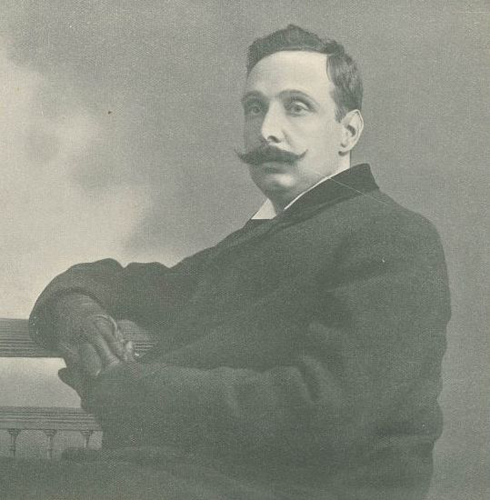
Tudo isto a propósito de nos apresentar a outro ilustre desconhecido que sofreu não só da mudança de modas literárias mas da incapacidade de criação de cânones alargados pela nossa crítica literária e da sua ligação a géneros "menores". José Nunes da Mata (1849-1945; pela grafia da sua época "Matta") era um Republicano Português, um homem da marinha, um matemático (o seu método simplificado para cálculo de trigonometria foi aplicado na França do seu tempo pela sua inovação e praticabilidade), deputado por Castelo Branco e Viana do Castelo durante a I República e um escritor conseguido, não sendo exactamente um best-seller, foi bastante popular e conseguiu ter vários dos seus livros populares com vários tipos de público: os seus livros matemáticos entre estudantes e matemáticos, os políticos entre Republicanos e activistas de vário tipo, a sua poesia com os fãs da melhor poesia do seu tempo, os seus livros sobre viagens e invenções pelos amantes de literatura de não-ficção sobre viagens e tecnologia, as suas peças de teatro sendo representadas com bastante sucesso de público e sendo muito louvadas pelos críticos da altura pela sua poesia, e uma obra que foi apresentada como "tradução" (na verdade era obra sua disfarçada de tradução de um texto perdido de um parente de balonistas setecentistas históricos Franceses) foi popular entre os nossos primeiros leitores de "romance científico" (ficção científica) do século XX, História Autêntica do Planeta Marte (1921).
José Nunes da Mata/Matta
Que razões houve para cair no esquecimento? Principalmente (fora tudo o que disse acima falando de muitos casos similares) o facto de ter cortado com o grupo dominante de Republicanos e criticado massacres e actos faccionalistas entre Republicanos (como a Noite Sangrenta de 1921, em que Republicanos de esquerda mataram membros dos Republicanos de direita então no poder), e dos Republicanos em relação às oposições católicas e monárquicas, o que lhe valeu uma queda de popularidade com os seus "confrades", e (sendo ainda um Republicano democrático que no final da vida ainda fazia uma "mole" semi-oposição de sociedade civil de impacto só local ao Estado Novo) não lhe valeu popularidade com o regime da II República, estando assim mais que esquecido pela altura em que ocorre o 25 de Abril: esquecido pelos "Republicanos Históricos", não reconhecido por socialistas, Comunistas ou anarco-sindicalistas como "um dos seus", e foi esquecido por um centro ou uma direita nascidos novos sem raízes que poderiam ter pegado nele como referência. Outra questão foi a maioria da sua obra ter sido técnica ou matemática (logo os únicos que ainda o lembraram e continuaram a consultar vagamente foram os alunos de universidades e colégios de bibliotecas mais recheadas que frequentemente conseguiam achar um dos livros técnicos ou matemáticos dele). O resto do esquecimento, foi uma normal datação dos estilos, principalmente no seu teatro e poesia (principalmente isto: já não se lê poesia tão comum e normalmente como prosa, e haver poesia narrativa ou dramática quase "a fazer vezes" de teatro, romance ou conto já é algo que não se espera de todo da literatura. Por fim, um autor que escreveu uma obra de ficção científica, várias de não-ficção que poderiam ser lidas quase como obras de aventuras de viagens só que de não ficção, e de várias obras poéticas muitas vezes com elementos de aventura ou de fantasia? A sua obra tinha "géneros menores" escrito por ela toda, logo foi olvidado pelos críticos "na boa".
Mas a literatura portuguesa não pode fazer-se, como qualquer hoje de qualquer cultura, sem narrativas memoráveis, aventuras de heróis ajudados das divindades como Os Lusíadas de Camões, narrativas das peripécias de uma sociedade burguesa como as séries de romances Comédia do Campo e Comédia da Cidade do Realista (contemporâneo de Eça) Teixeira de Queirós (sem parentesco), todo o tipo de lendas e narrativas que podem recordar a história humana, falar do seu presente ou sugerir o que será o seu futuro, e que mostre ao ser humano o que pode fazer com as suas acções, para melhor e para pior. E a obra literária de Nunes da Mata serve para nos apresentar coisas pouco comuns na nossa literatura ficcional nacional: literatura que não é "de formação", nacionalista ou sentimental. Ao publicar em 1916 o relativamente curto (na edição original com 35 páginas, na 2.ª de 1918, talvez com colunas de texto duplas por cada página, com 19) texto episódico O Sonho do Kaiser: Versos heróicos referentes à maldição do Kaiser, lançada por Deus, seu grande amigo (só o título é uma obra prima), Nunes da Mata quis parodiar o início da I Guerra Mundial, numa altura em que Portugal estava prestes a entrar (Portugal entra na guerra nesse ano), atribuindo as culpas do início da guerra ao Imperador (ou Kaiser) Alemão Guilherme II, e expondo-o ao ridículo, e incentivando os Portugueses a apoiarem uma entrada na guerra de um ponto de vista republicano (porém, aqui simulando uma posição mais sobre democracia e republicanismo, do que pelas razões principais de defesa do Império Colonial Português com fronteiras com o Império Colonial Alemão em Angola e Moçambique, e de melhorar a reputação da I República ao aliá-la numa causa com Britânicos e Franceses).
Este poema narrativo, narrado por um narrador omnisciente, mostra o Imperador Alemão dormindo depois de alguns afazeres, e sonhando que Deus, seu protector, entabula conversa com ele, e conforme a conversa avança, mais Guilherme II é uma caricatura, e mais Deus se transforma num professor severo, e mais a conversa é uma censura dura a alguém que o texto passa imagem de dever ser percepcionado como um aluno cábula. Nunes da Mata não estava sozinho neste tipo de poesia no Portugal desta altura. Veja-se abaixo dois exemplos de décimas do poeta popular Baixo-Alentejano contemporâneo de Nunes da Mata, Inocêncio de Brito abaixo:
Tirados daqui e daqui (note-se que o 2.º deve datar do fim da I Guerra todavia, pelo conteúdo do texto)
O poema de Nunes da Mata vale porém por ser mais extenso, o estilo narrativo, o estilo mais talentoso e polido, assim sendo capaz de sobreviver razoavelmente ao fim do contexto em que resultava melhor, e ao tom de propaganda exagerada, pelos graçegos e ironia, pela presença de elementos e linguagem da época que são bastante curiosos, por um ambiente de aventuras descrito quando Deus leva o Kaiser para fora do nosso mundo, numa espécie de momento à Divina Comédia de Dante, em que momentos mais excitantes de viagem através da criação são completos com outros meramente expositivos e satíricos mais aborrecidos hoje que não há Kaiser ou Grande Guerra a parodiar (embora alguns possam querer ressuscitar o texto pelo "ângulo" do anti-germanismo actual, mas eu acho isso ridículo, ainda para mais que hoje até a esquerda teme falar mal de Angela Merkel agora que ela se tornou a "mãe dos refugiados"). É claro porém que Nunes da Mata, enquanto Republicano e militar tem um profundo conhecimento da causa alemã na guerra sua contemporânea (mesmo se afectada pela sua visão politizada de republicano e pessoa anti-Potências-Centrais), para que aquilo que Deus diga ao Kaiser e este diga em resposta a Deus se coadunem com a realidade da altura (para o fim de anti-germanismo e de pró-belicismo dos Republicanos no Portugal ainda neutro, claro). O esforço de estudo das acções militares Alemãs e do seu soberano são notáveis da parte de Nunes da Mata, apesar da distorção propagandística.
Para o leitor que não conhece muito sobre Nunes da Mata, convém apontar que ele escreveu numa altura em que Portugal oscilava entre o fim da carreira dos últimos escritores ultra-Românticos (Pinheiro Chagas e afins), os escritores Realistas ou Naturalistas, uma continuidade do Romantismo chamado de neo-Romantismo (principalmente sob influência de Garrett, neste caso chamado neo-garretismo, e com alguns elementos de Simbolismo e Decadentismo), e novas correntes de influência principalmente anglo-francesa, o Simbolismo que tinha alguma proximidade estética do Romantismo mas enfatizava ainda mais o lado irrealista e do significado não literal das coisas, e o Decadentismo (que em Portugal se encontrava frequentemente fundido com o Simbolismo) que enfatizava a lógica de civilização decadente, de fin de siècle ("fim de século"), de enredar do poeta com os prazeres decadentes, um certo prazer mórbido com a morte. Assim, Nunes da Mata pode ser visto como tendo bebido de todos estes estilos, com forte influência Romântica e Simbolista, não pertencendo de forma clara a um só, sendo talvez a sua escrita melhor descrita como intensamente pessoal, e mais influenciada por um talento natural e pelas suas crenças políticas e pelos seus interesses científicos e humanísticos.
Acrescente-se ainda que foi um dos grandes autores de poesia narrativa, prosa sobre viagens e fantástico em Portugal, sendo ainda um dos primeiros autores de ficção científica no nosso país (não o primeiro, mas um dos primeiros a poder ser incontestavelmente identificado como tal, e um dos melhores dos primeiros), não propriamente uma ficção científica de previsões, mas de uso de elementos desse género para comentário social e proposta para modelo de organização social (como usual na maioria da fc mundial do século XIX e inícios do XX, excepção feita a Verne e Wells entre alguns poucos). Nunes da Mata podia bem ser erguido a "Verne Luso" de aventuras grandiosas e ficção científica "primitiva". Mas voltaremos a falar disso noutra altura. Mas pensem que, mesmo que nunca tenham ouvido falar dele ou o lido, os poucos livros, séries de TV ou filmes de ficção científica em Portugal são "trinetos ilegítimos" desconhecidos de Nunes da Mata, e das suas questões sobre "o que veremos quando chegarmos ao mais além?", questão que mesmo no mais poético/satírico/propagandístico/fantástico O sonho do Kaiser se levanta. Infelizmente este livro está só disponível na Biblioteca Nacional de Portugal (onde está erradamente registado sob o título O Sonho de Kaiser) e poucas mais mas quem estiver interessado talvez ainda possa adquirir uma cópia através da livraria-online/blogue Livreiro Monasticon. Ainda vamos a tempo de um "revivalismo" de Nunes da Mata (de preferência em edição ilustrada usando quiçá alguns dos cartazes, desenhos e postais propagandísticos magníficos da altura)?
Como este (daqui)


This Classicos da literatura infanto-juvenil portuguesa // Portuguese children's/juvenile lit classics blog has brought "to the limelight" (if it is so that references in this obscure blog are bringing "to the limelight") many illustrious unknown from our literature. Now we again are going to bring along one. But for starters some words: in Portugal it is had a rather restricted view of what lierature should be. Not how good literature should be, of how literature should be. A critic defends some stylistics or others; realist, and in that case shall attack all the ones that do not reach that end, or non-realist, and shall attack all the be strictly realistic. There is a logic of not letting the writer write as one wishes and afterwards analysing its quality or lack thereof, but of defining right-away as "right" or "wrong" the writing manner or the sensibility or thematic of them, "rewarding it" or "attacking it". And affterwards, just watch: one talks of Portuguese literature and our reviewers sound somewhat like: "it is Essa sir... Camilo sir... Garrett sir... Herculano sir... Essa sir... Camilo sir... the poet Cesario Verde... Essa sir... the playwright Gil Vicente... Camilo sir... Essa sir... Camilo sir... I already said Essa sir? And Camilo sir?" Today we see that there was an immensity of writers popular on their time or few years afterward, that now got completely forgotten, not so much by that natural phenomenon of writers banal but that "fit" on a given taste from the time-point who a month later were "passés", but another one in which several writers (like Joao Correia de Oliveira, the Viscount of Moura, Joao Grave, Soeiro Pereira Gomes who seems to only be remembered in ensemble with the other neorealists or as Portuguese Communist Party icon when it is in truth rather readable isolatedly, Fernando Namora who at each decade is each time less read or known) were brilliant, but our reviewers only have capacity to "juggle" a few authors at the same time, and for more it "does not avail to".
Besides this prejudice of currents, this "disease" of "literary amnesia", and "in the end there can be only one logic" that would make the Highlander swordsmen proud, our reviewers suffer of rooted prejudices against given genres. Not only there are for them "right" and "wrong" writing ways or aesthetics, but there are "right" and "wrong" genres. So authors essentially within one or several "wrong" genres (normally called by the specialised reviewers "lesser genres"), authomatically are voted to ostracising or oblivion. Among these genres we got the detective-mystery/crime story, the fantastical or fantasy, the science fiction (these last two being able to be associated into the "fantasy and science fiction" or "science fiction and fantasy", or f and scifi/scifi and f). That was the main reason of a talented and competent author like Reinaldo Ferreira, the "Reporter X", for being essentially on detective/mystery, with some "wallowing ins" into fantasy and science fiction, getting essentially forgotten and frowned-upon. The same with adventure fiction-writers like Roussado Pinto. And when writers that are considered "worthy" enters those genres, the labour in that genre is forgotten and it is speak of as if they were "worthy" despite such labour: Saramago (aside his beginning into the neorealist literature) wrote almost all his work inside the fantasy and science fiction genre (being historic novel, O Memorial do Convento/Baltasar and Blimunda is a work with presence of the fantastical of Blimunda's sight of vision, Ensaio Sobre a Cegueira/Blindness is quite the apocalyptic science fiction scenario disguised by the barroqueness of the language and of the punctuation as 'serious allegorical book', A Jangada de Pedra/The Stone Raft is set off out of a disaster scenario worthy of science fiction but focusing itelf more in the post-disaster and in the survival and on the life assuming new normality and routine, As Intermitências da Morte/Death with Interruptions is set off out of Death taking a vacation and it ceasing to there being deaths at all, etc.), but of course that nobody refers that and disguises the zero realism of his works and his proximity to pulp science fiction works with big words like "allegory", "marvelous realism", "fabled" and comparisons with supposed works and authors that can be refered as more "respectable" influences for the Nobel awardee, because the only Portuguese Nobel Prize in Literature thus far cannot be a fantasy and science fiction Nobel awardee; and the connection of the rather respected Jose Cardoso Pires with the detective-mystery/crime story (O Delfim/The Dauphin, Balada da Praia dos Cães/Ballad of Dog's Beach, both adapted to cinema) is almost always only refered by this genre's fans. Although there be since the 1980s attempts of 'respectabilising' of he fantastical in our literary reviewers, and since the following decade to the detective-mystery/crime story, and still is being started to be done the same about our science fiction and the adventure literature, in broad strokes it still didn't come into existence major difference in the approach to these genres, and when they come-up, for example, university courses ob these, tend to be counterproductive (with self-insulting names like "Estudo de Literaturas Marginais"/"Marginal Literatures Research").
All this apropos of introducing us to another illustrious unknown who suffered not only from the change of literary fashions but out of the inhability of creation of widened canons by our literary reviewers and from his connection to "minor" genres. Jose Nunes da Mata (1849-1945; by the period's spelling "Matta") was Portuguese Republican, a navy-man, mathematician (his simplified trigonometry calculation method was applied on the France from his time' for its inovation and pacticality), MP for Castelo Branco and Viana do Castelo during the Portuguese 1st Republic and an attained writer, not being exactly a bestseller, he was rather popular and got many of his books popular with several types of audience: his mathematical books among students and mathematicians, the political ones among Republicans and varied kind activists, his poetry with the fans of the time's best poetry, his books on travels and inventions by the lovers of non-fiction literature on travels and technology, his theatre plays being performed with quite some seats-filled success and being very praised by critics from the time for their poeticness, and one work that was presented as "translation" (in truth it was work of his disguised as translation of a lost text by a relative to French historical seventeen-hundredth baloonists) was popular among Portugal's first "scientific romance" (science fiction) readers from the 20th century, História Autêntica do Planeta Marte ("Authentic History of Planet Mars", 1921).
Jose Nunes da Mata/Matta
What reasons were there to fall into oblivion? Mainly (aside all that I said above talking on many similar cases) the fact of having cut with the dominant group of Republicans and criticised massacres and factionalist acts among Republicans (like the 1921 Bloody Night, in which leftwing Republicans killed members of the rightwing Republicans then in power), and of the Republicans in relation to the Catholic and monarchist oppositions, what owed him a fall of popularity with his "fellow Republicans", and (being still a democratic Republican that at his life's end still did a "soft" civil society semi-opposition of only local impact to the Portuguese New State) are not worth popularity on him with the 2nd Republic's regime, being so more than forgotten by the time that it occured the April 25th revolution: forgotten by his "Historical Republicans", not recognised by socialists, Communist-partisans or anarcho-sindicalists as "one of their own", and was forgotten by a centre and a rightwing born anew without roots that could have picked him up as reference. Another issue was the majority of his work having been technical or mathematical (hence the only ones that still remembered him and continued to consult him vaguely were the students of university and colleges with more stacked libraries that frequently got to find one of the technical or mathematical books of his). The rest of the oblivion, was a normal dating of styles, mainly in his theatre and poetry (mainly this: it already is not read out poetry as common and normally as prose, and there being narrative or dramatic poetry almost "doing turns" as theatre, novel or short-story already is something that is not expected at all out of literature.) At last, an author tht wrote one work of science fiction, several of non-fiction that could be read almost as travel adventure works only non-fiction, and of several poetic works many times with elements of adventure or of fantasy? His work had "lesser genres" written all over it, hence was pretermitted by the critics "nice and easy".
But Portuguese literature cannot be made, like any other culture's, without memorable narratives, adventures of heroes helped by deities like Camoens' The Lusiads, narratives of the mishaps of a bourgeois society like the novel series' Comédia do Campo ("Countryside Comedy") and Comédia da Cidade ("City Comedy") by the Realist (Essa's contemporary) Teixeira de Queiroz (not relation), all the kind of legends and narratives that can recall human history, talk on its present or suggest what could be its future, and that show to the human being what he can do with its actions, for better and for worse. And Nunes da Matta's literary work serves to present us little common things in our national fictional literature: literature that is not "Bildungsroman", nationalist or sentimental. At publishing in 1916 the relatively short (in the original edition with 35 pages, in 1918 2nd one, maybe with double text columns by each page, with 19) episodic text O Sonho do Kaiser: Versos heróicos referentes à maldição do Kaiser, lançada por Deus, seu grande amigo ("The Kaiser's Dream: Heroic verses refering to the Kaiser's curse, cast by God, his great friend"; the title alone is a masterpiece), Nunes da Matta wanted to parody the beginning of World War I, at a time that Portugal was about to get into it (Portugal gets into the war that year), attributing the faults for the war's beginning to the German Emperor (or Kaiser) William II, and exposing him to ridicule, and incentivising the Portuguese to support an entry into the war from aa republican point of view (yet, here simulating a position more on democracy and republicanism, than on the main reasons of defense of the Portuguese Colonial Empire with borders with the German Colonial Empire in Angola and Mozambique, and of improving the Portuguese 1st Republic's reputation by allying it in a cause with British and French).
This narrative poem, narratd by an all-knowing narrator, shows the German Emperor sleeping after some regular tasks, and dreaming that God, his protector, strikes-up conversation with him, and as the conversation advances, the more William II is a caricature, and more God turns himself into stern teacher, and more the talk is a hard reproach to someone from whom the text passes image of being due to be perceptioned as a truant student. Nunes da Matta is not alone in that type of poetry in that time-point. Let it be seen two examples of octosyllabic decimas by the Lower-Alentejo poet contemporary to Nunes da Matta, Inocencio de Brito below:
Taken from here and from here (let it be noted that the 2nd must date from the World War's end though, by the text's content)
Nunes da Matta's poem is worth though for being more extensive, the style narrative, the style more talented and polished, so being capable of surviving reasonably to the end of the context in which it worked better, and to the exagerated propaganda tone, due to the jests and irony, by the presence of elements and language of the time that are quite curious, by an adventure environment described when God takes the Kaiser out of our world, in a kind of moment Dante's Divine Comedy style, in which more exciting moments of travel through creation are completed by others more dull merely expository and satirical nowadays that there is no Kaiser or Great War to parody (although some might want to resurrect the text by the "angle" europan anti-germanism, but I find that ridiculous, even more so that today even the left fears to talk ill of Angela Merkel now that she became the "mother of refugees"). It is clear though that Nunes da Matta, while Republican and military has a deep knowledge of the German cause on the war contemporary of his (even if affected by his politicised view of Republican and anti-Central-Powers person), for that which God say to the Kaiser and the latter say in response to God befit with the time-point's reality (for the anti-germanism and pro-belicism of the Republicans in the Portugal still neutral, of course). The effort of study of the German military actions and of their sovereign are remarkable on Nunes da Mattta's part, despite the propagandistic distortion.
For the reader that does not know much on Nunes da Matta, it is convenient to point that he wrote at a time in which Portugal oscillated between the career end of the last ultra-Romantic writers (Pinheiro Chagas and the like), the Realist or Naturalist writers, a continuity from Romanticism called neo-Romanticism (mainly under Garrett's influence, in this case called neo-garretism, and with some elements of Symbolism and Decadentism), and new currents of influence mainly Anglo-French, the Symbolism that had some aesthetic proximity from Romanticism but emphacised even more the unrealistic side and the not literal meaning of things, and th Decadentism (that in Portugal found itself frequently fused with the Symbolism) that emphasised the logic of decaying civilisation, of fin de siècle ("end of the century"), of entangling of the poet with the decadent pleasures, a certain morbid pleasure with death. So, Nunes da Matta can be seen as having drank fromall these styles, with strong Romantic and Symbolism influence, not belonging in clear way to a single one, being maybe his writing best described as intensely personal, and more influenced by a natural talent and by his political believes and by his scientific and humanist interests.
Let it be added still tha he was one of the great authors if narrative poetry, prose on travels and fantasy in Portugal, being one of the first authors of science fiction in Portugal (not the first, but one of the first to be able to be unarguably identified as such, and one of the best from the first), not properly a science fiction of predicions, but of use of elements of that genre for social commentary and proposal for social organisation model (as usual in most of the 19th century and early-20th century worldwide scifi, exception be made to Verne and Wells among few others). Nunes da Matta could well be lifted upto "Lusitanian Verne" of gandiose adventures and "early" science fiction. But we shall come back to talk of that another time. But think on it that, even if you never heard talk of him or read him, the few science fiction books, TV series or films in Portugal are Nunes da Matta's unknown "illegitimate great-great-grandchildren", and from his questions on "what shall we see when we arrive to the further beyond?", question that even in the more poetic/satirical/propagandistic/fantastical The Kaiser's Dream it arises itself. Unfortunately this book is available only on the Portugal National Library (where it is wrongly registered under the title O Sonho de Kaiser/"The Dream of Kaiser") and few more in Portugal but who be interested maybe can acquire a copy through the online-bookstore/blo Livreiro Monasticon. We still are on time of a Nunes da Matta "revival" (preferably in edition illustrating using perhaps some of the propagandistic posters, drawings and postcards from that time-point)?
Like this one (out from here)

terça-feira, 25 de agosto de 2015

"A Conspiração de 1817", Raul Brandão // "The Conspiracy of 1817", Raul Brandao

(de Coisas.com)
Há livros que pela capa não parecem muito impressionantes nem particularmente atraentes para se pegar neles, chegando a capa a ser dissuasora à leitura. O mesmo se pode passar com o nome. Neste caso, quer a capa pouco ilustrada como a da edição original quer o título puramente descritivo de quando se passa este evento histórico e do tipo de evento que era, provocariam um pouco essa reacção (embora a fama enquanto escritor moderno Português do autor Raul Brandão deva dar alguma confiança, embora alguns poderão descreram disso de qualquer forma). Mas se já o provérbio diz que "Não se deve julgar um livro pela capa", então a leitura deste livro histórico (ou nem tanto assim, mas já aí iremos) bem o comprova.
Escrito em 1914 por um grande admirador da literatura de Herculano e Garrett e que respeitava o anteriormente aqui visto Rebelo da Silva (porém criticando o maquiavelismo político com que este "lixou" o seu próprio amigo Latino Coelho para chegar a Ministro no lugar dele) e Pinheiro Chagas enquanto ficcionista (respeitando-o enquanto ficcionista e enquanto pessoa, tendo começado a escrever para o periódico Correio da Manhã deste, mas pelo contrário criticava-lhe violentamente o seu dramalhão histórico no teatro, e principalmente a "descendência" que este estilo deixou no teatro português posterior), este livro assim tinha mais destas influências histórico-Românticas e escapava ao usual de Brandão, de obras de prosa sobre realidade com algo do psicologismo do Russo Dostoiévsky que Brandão admirava (embora por vezes com algum estilo de aventura, como se pode ver nalgumas páginas de Os Pescadores), com este livro de história bastante ficcionado (não propriamente um romance histórico per se mas tem demasiado estilo literário e análise filosófica, simbólica e psicológica da história para historiografia propriamente dita).
O autor estava numa fase de escrita de história romanceada na fase da sua carreira de 1912 a 1915, pegando num velho interesse por história e cultura do seu país de Brandão, e (numa revisão da velha abordagem de algum romance histórico Romântico que olha para o passado para não enfrentar o pior do presente) lidava com a história quando os Portugueses enfrentavam os problemáticos tempos da I República, que tinha um conflito forte com os grupos opostos à ideologia do chamado "republicanismo histórico" burguês (monárquicos, Igreja, minorias ideológicas, grupos não-burgueses), e a I Guerra Mundial começava (embora Portugal só entrasse em 1916). Assim este livro, embora não sendo um divertimento escapista (falando disso, esta obra pode ser apresentada ao público juvenil apesar da maturidade da escrita e do tema, pela forma relativamente clara e simples com que é apresentada por escrito e pela introdução à história que faz, como a peça do mesmo tema Felizmente Há Luar! dada agora no 12.º ano e por vezes noutros anos do liceu), servia para dar que pensar quanto a política do tempo do autor e para permitir aos contemporâneos, por uma vez, ver problemas de outra geração de Portugueses (e que cada leitor livremente interpretasse a coisa como quisesse; Brandão, que tinha simpatia pelo liberalismo monárquico mas era crítico das falhas desse regime e, como se pode ver nas suas memórias, não menos ou até mais do regime republicano sem idealizar o monárquico mas tendo uma opinião positiva da Família Real, até mais positiva da IV Dinastia que outros monárquicos críticos como Herculano, Garrett e Pinheiro Chagas, e na opinião dele os eventos em Portugal antes e depois do 5 de Outubro eram continuidades da mesma realidade, no negativo e no positivo).
O autor
Neste livro de história ficcionado, o autor leva-nos ao reinado de D. João VI de Portugal, e com o poder descritivo e a prosa poética associados a este autor Português, recria o ambiente desta época, em que os invasores Franceses Napoleónicos haviam sido derrotados (como de forma igualmente brilhante Brandão retrata no livro também de história ficcionada El-Rei Junot) mas os aliados Ingleses se tornaram uma espécie de governantes por protectorado com auxílio de uma junta governante portuguesa, enquanto a Família Real que se instalara no Brasil fugindo da 1.ª Invasão Francesa ainda não havia regressado a Portugal, e em 1817 rebenta no Pernambuco, no Brasil Colonial, uma revolta independentista. Embora esta revolta falhasse, ela deixou uma centelha de inspiração e revolucionismo não só nos Brasileiros (que continuaram a sonhar uma independência) como nos liberais Portugueses, que pensaram em imitar o exemplo dos "irmãos" Brasileiros para instalar um regime liberal constitucional em Portugal e expulsar os Britânicos e (ante uma provável independência brasileira mais dia menos dia) fazer a Família Real voltar a território continental Português.
É para isso que, um conjunto de oficiais militares Portugueses de ideologia liberal (alguns deles tendo combatido, como muitos liberais Portugueses por tacticismo ideológico, por Napoleão, algo que Brandão descreve em El-Rei Junot com detalhes por vezes quasi-cómicos), e como seu líder, coloca-se o General Gomes Freire de Andrade, filho de um diplomata Português que servira na corte austríaca (o próprio General nascera em Viena em 1757) e a sua esposa nobre nativa desse país (e parente da 2.ª mulher, Austríaca, do Marquês de Pombal). Um homem que tivera a educação regrada típica da sua classe e bastante culto, um óptimo militar e um maçom engajado na sua sociedade secreta, começou a servir no Exército Português de 1782 a 1788, no Russo de então a 1790, novamente no Português de 1790 a 24 de Maio de 1807, na Legião Portuguesa do Exército Francês (que já vimos em Os Guerrilheiros da Morte de Pinheiro Chagas) de 1807 a 5 de Maio de 1814, em defesa da própria França depois da derrota das últimas Invasões em solo Português (como outros liberais Lusos, como já referimos) e pela terceira vez no Português após retornar ao país em 1814 (sob o acordo que marcou o 1.º exílio de Napoleão), sendo em 1815 inocentado de julgamento militar pelo serviço com os Franceses.
Uma reprodução da famosa imagem estilo "mártir no céu" de Gomes Freire
A primeira parte deste 'romance/livro de história' pode ser considerada o 'montar do palco', descrevendo a altura, quem era quem na política da altura que envolvia a situação da conspiração de Gomes Freire, o desenvolvimento da conspiração, os envolvidos nesta, as suas acções, os seus perfis, as suas personalidades e como estas iam evoluíndo, etc.. Também é traçado o retrato geral no exército na altura, num sistema de quase ditadura militar regida pela Regência que em 1817 era composta por António José de Miranda Henriques, pelo Marquês de Olhão, pelo Conde de Peniche, pelo Marquês de Borba e por D. Miguel Pereira Forjaz (por esta altura, quem teve de ler no Liceu Felizmente Há Luar! terá mais que algum reconhecimento dos eventos e figuras e do que se passará, mas não estraguemos a coisa para os restantes) e de coronel para cima quase todos os oficiais do nosso exército eram Britânicos (o que perdeu a Beresford quase toda a simpatia que ganhara dos Portugueses enquanto organizador da guerra contra os invasores Franceses). A conspiração de Gomes Freire e outros oficiais, principalmente ex-Legionários-Portugueses de Napoleão re-inseridos no exército nacional, ergue-se assim contra este estado de coisas e sob influência do liberalismo dos conspiradores, numa altura em que não havia qualquer outro grupo de Portugueses que ousasse conjurar contra a Junta de Regência.
O General Beresford
Por isso seria uma surpresa para Beresford quando o ajudante de ordens João de Andrade Corvo de Camões (sem parentesco com o poeta) em Abril de 1817 o informa da existência do plano de revolta desta conspiração, já com um certo número de envolvidos. Este trata logo de buscar os fios dos conjurados da intentona denunciada através de Lisboa, mandando chamar o informador de Corvo de Camões, o Capitão Pedro Pinto de Morais Sarmento. O Britânico ordena a Pinto de Morais Sarmento que entre na conspiração, para melhor poder acompanhar o desenvolvimento do plano e melhor poder denunciá-la à regência. Beresford não se ficou por aqui, convencendo o bacharel João de Sá e dois oficiais do exército a fazerem o mesmo e a servirem também de "toupeiras", na esperança de assim conseguir todas e quaisquer provas necessárias para condenar os conspiradores. Enquanto isso, a ideia inicial de Beresford de um julgamento militar dos traidores é substituída, após consulta com o diplomata Cipriano Ribeiro Freire, com o Visconde de Santarém e com José António de Oliveira Leite de Barros e informar do governo português do ocorrido, por um processo legal apropriado posto em ordem, enquanto o general Britânico dá as ordens para as forças militares da cidade se precaverem de qualquer motim antes de tempo e para deterem os conspiradores sem falha.
Depois de mais algum tempo em que a conspiração continua como se nada se passasse, a 25 de Maio os conspiradores são todos detidos. Brandão trata o processo como o confronto de um homem segundo o autor à frente do seu tempo que era grande demais para o mundo "claustrofóbico" à sua volta (Gomes Freire) e dois homens que ele diz serem «o passado» (D. Miguel Pereira Forjaz e Beresford). Para além de uma questão política e de manutenção da ordem para os opositores de Gomes Freire, na descrição de Brandão isto passa também a uma questão de ódio pessoal, com D. Miguel (também primo de Gomes Freire) a ser apresentado como odiando pessoalmente o general. O processo vai decorrendo de forma escorreita depois de instaurado, lavrando-se por fim uma sentença que condena à morte muitos dos conspiradores que são réus do processo. Depois, apesar de os governadores do reino não pedirem à Casa Real a sanção real do julgamento, os presos são divididos entre a cadeia do Limoeiro e o Castelo de S. Jorge, Gomes Freire sendo encerrado na Torre de S. Julião (hoje S. Julião da Barra). Durante estas prisões, o intendente geral da polícia, Barbosa de Magalhães, mais os seus ajudantes Casal Ribeiro (curiosamente um descendente seu seria um agente da PIDE/DGS) e João Gaudêncio, procedem a interrogatórios profundos dos presos e o general é exposto a grandes crueldades. Porém, pouco depois o governador da Torre de S. Julião é substituído pelo Marechal Archibald Campbell, que trata o general com mais benevolência.
Miguel Pereira Forjaz
Como em qualquer história romanceada em que a arte e a moral do autor e a realidade muita vez cruel se misturam, o fim não é feliz, mas é algo grandioso para o protagonista e permite uma certa "vitória moral" (embora para Brandão a luta de Gomes Freire continuasse no seu tempo): condenado à morte, Gomes Freire resiste a ser enforcado e pede o fuzilamento, e na manhã de 18 de Outubro de 1817 pensa que vai ter o que pediu (e como tal veste-se de uniforme ao invés do manto branco dos condenados à força do Portugal setecentista e oitocentista-inicial, como se pode ver no quadro da execução do independentista Brasileiro alcunhado "Tiradentes") mas de facto ordenam-lhe que traje de enforcado, e após o general ter um desmaio da afronta, recupera e serenamente vai para a morte no alto de Algueirão, e com o próprio corpo (pelo menos na descrição de Brandão) debatendo-se com a corda e a morte, até que falece às 9 da manhã desse dia. Apesar do general ser cremado e algumas horas depois o corpo que não queimou totalmente virando cinzas é lançado ao mar (cumprindo a plenitude da sentença), sendo relançado à praia duas vezes (e sendo roído por cães) como se recusasse ser deixado assim, e por fim acabam os vivos por ceder e enterrá-lo na praia. (Embora Brandão não o refira pelo foco em Gomes Freire, no mesmo dia são enforcados e igualmente cremados e tendo as cinzas atiradas ao mar outros 7 réus, 4 sendo enforcados sem cremação, sendo degredados para Angola e Moçambique 1 réu para cada então província e outro sendo exilado para fora de território português). Apesar da ironia amarga de Brandão, como na interpretação usual dos liberais, democratas e maçons posteriores, Gomes Freire é o grande homem que se torna um tipo de santo mártir da liberdade e/ou da maçonaria, e 3 anos depois haveria (na sucessão dos protestos contra o processo do general) uma revolução liberal no Porto que finalmente faria a Família Real voltar do Brasil, os Britânicos deixarem Portugal (fora o Algarve, aparentemente) e o regime liberal ser implantado. Apesar de a nota da história romanceada de Brandão terminar mais agridoce, porém os apontamentos finais e bibliografia no fim permitem uma condigna e justa homenagem a Gomes Freire como general e liberal.
A leitura do livro em si vale não só pelo drama e enredo (com qualquer coisa de aventura trágica real com alguma vitória moral) que traz, mas pela introdução à história que faz, para além das descrições dos detalhes e fait-divers da Lisboa da altura (nos livros de história ficcionada que escreveu, os detalhes da vida corrente, os preços da altura e os episódios anedóticos do tempo eram o que mais lhe interessavam, como o próprio assumia), dando principalmente um grande retrato da gente comum que tanto interessava a Brandão (como se pode ver nas suas obras mais famosas Os Pescadores e Os Pobres), e "apresentando-nos" às figuras históricas célebres da época. Mas mais que a história que ensina, o estilo literário ou a grande mistura de prosa e drama (ou não fosse o autor também um dramaturgo completo, entre as suas peças estando O Gebo e a Morte, que foi adaptado, em texto Francês num dos últimos filmes de Manoel de Oliveira), mas por isso tudo na obra permitir ao autor "semear" ironias e sátira ao longo do texto e fazer retratos profundos (elogiosos como negativos), criticar opressão social e as características negativas e anti-individualistas das instituições tradicionais, em linha com o próprio pensamento do autor (como em El-Rei Junot e O Cerco do Porto, pelo Coronel Owen de 1915, edição comentada por Brandão das memórias do cerco da Guerra Civil Portuguesa do oficial Galês Hugh Owen). O facto de mesmo esta obra essencialmente histórica, devido ao estilo forte, irónico e "activista" (de autor que parecia revelar sempre a sua visão simultaneamente à esquerda e à direita do Republicanismo) de Brandão, não tenha ficado tão célebre como outras mais do autor e tenha tido uma história de publicação com edições espaçadas no tempo e com mudança de título (para Vida e Morte de Gomes Freire), mostra como mesmo um mero livro de história pode ser mais que um mero livro se tocar em certas "cordas" na psique da sociedade. Este livro pode ser consultado em muitas bibliotecas ou adquirido em-linha em sítios como o Coisas.com, existindo várias edições desde a do movimento cultural Renascença Portuguesa do amigo do autor (e co-autor com ele da peça Jesus Cristo em Lisboa) à de 2007 da colecção Obras Clássicas da Literatura Portuguesa da Relógio d'Água, estando ainda o texto completo da edição de 1914 no Internet Archive.


(from Coisas.com)
There are book that by the cover they do not seem very impressive nor particularly attractive to pick them up, geting to the point of the cover being dissusive to its reading. The same may pass with the name. In this case, both the little illustrated cover like the original edition one as the title purely descriptive of when it went on this historical event and the kind of event it was, would provoke a little that reaction (although the fame as Portuguese modern writer of the author's Raul Brandao must give some confidence, although some might disbelieve that anyhow). But if the proverbe says that "You shouldn't judge a book by its cover", then this historical (or not that much, but we will already get there) book does show it well.
Written in 1914 by a great admirer of the literature of Herculano and Garrett and who respected the previously here seen Rebelo da Silva (yet criticising the political machiavellianism with which he "screwed" his own friend Latino Coelho to get to Minister in his stead) and Pinheiro Chagas while fiction-writter (respecting him while fiction-writter and while person, having started to write for his Correio da Manhã periodical, but on the contrary criticising him violently for his historical tearjerk-drama in theatre and mainly the "descent" that this style left on the posterior Portuguese theatre), this book thus had more of these historical-Romantic influences and escaped to Brandao's usual, of works on reality with something of the psychologism of the Russian Dostoyevsky whom Brandao admired (although sometimes with some adventure style, as it can be seen on some pages of Os Pescadores/"The Fishermen"), with this quite fictionalised history book (not properly a historical novel per se but has too much literary style and philosophical, symbolical e psychological analysis of history for historiography proper).
The author was on a phase of writing of romanced history on the phase of his career from 1912 to 1915, picking up on an old interest for history and culture of his country of Brandao's, and (in a revision of the old approach of some Romantic historical novel that looks at the past for not facing the worst of the present) dealt with history when the Portuguese faced the problematic times of the 1st Republic that had a strong conflict with the groups opposed to the ideology of the bourgeois so-called "historical republicanism" (monarchists, Church, ideological minorities, non-bourgeois groups), and the 1st World War started (although Portugal only entered it in 1916). So this book, while not being an escapist amusement (talking of that, this work can be presented to the young-people's audience despite the maturity of the writing and of the theme, for the relatively clear and simple way with which it is presented in writing and for the introduction to history that it does, like the play of the same theme Felizmente Há Luar!/Thankfully There is Moonlight! given now in the Portuguese 12th grade and sometimes in other Portuguese high school years), served to give one to think about the politics of the time and of the author and to allow to the contemporaries, for once, to see problems of another generation of Portuguese (and that each reader freely interpreted the thing as one wished; Brandao, who felt simpathy for the monarchical liberalism but was critical of the failings of that regime and, as it can be seen in his memoirs, not less or even more of the republican regime without idealising the monarchist one but having a positive opinion on the Royal Family, even more positive on the IV Dynasty than other critical monarchist like Herculano, Garrett and Pinheiro Chagas, and in his opinion the events in Portugal before and afer the October 5 republic establishment were continuities to the same reality, on the negative and on the positive).
The author
In this fictionalised history book, the author takes us to the reign of Don John VI of Portugal, and with the describing power and the poetic prose associated to this Portuguese author, recreates the period's environment, in which the Napoleonic French invaders had been defeated (as in equally brilliant way Brandao portrays in the book also of fictionalised history El-Rei Junot/"Ye-King Junot") but the English allies turned themselves into a kind of rullers through protectorate with the aid of a Portuguese ruling junta, while the Royal Family which installed itself in Brazil running away from Portugal's 1st French Invasion still hadn't returned to Portugal, and in 1817 it blows-up on Pernambuco, in Colonial Brazil, an independentist revolt. Although this revolt failed, it let out a spark of inspiration and revolutionism not only in the Brazilians (who continued dreaming an independence) as in the Portuguese liberals, that thought in imitating the example of the Brazilian "brothers" to install a constitutional liberal regime and expel the British and (before a likely Brazilian independence give or take a day) would make the Royal Family come back to Portuguese territorial continental territory.
It is for such that, an ensemble of Portuguese military officials of liberal ideology (some of them having fought, as many Portuguese liberals for ideological tacticism, for Napoleon, something that Brandao describes on El-Rei Junot/"Ye-King Junot" with details sometimes quasi-comical), and as their leader, put himself the General Gomes Freire de Andrade, son of a Portuguese diplomat that served on the Austrian court (the General himself had been born in Vienna in 1757) and his noble spouse native to that country (and relative to the, Austrian, 2nd wife of the Prime Minister the Marquis of Pombal). A man that had the orderly education typical of his class and rather cultivated, a great military-man and a freemason engaged with its secret society, started to serve on the Portuguese Army from 1782 to 1788, on the Russian from then to 1790, again in the Portuguese from 1790 to May 24 1807, on the French Army's Portuguese Legion (which we already say on Os Guerrilheiros da Morte/"The Gurrillas of Death" by Pinheiro Chagas) from 1807 to May 5 1814, in defence of France itself after the defeat of the last invasions on Portuguese soil (as other Luso liberals as we already refered to) and for the third time on th Portuguese one afterwards to returning to the country in 1814 (under the agreement that marked Napoleon's 1st exile), being in 1815 cleared from military trial for the service with the French.
Uma reprodução da famosa imagem estilo "mártir no céu" de Gomes Freire
The first part of this 'romance/history book' can consider itself the 'setting the stage', describing the time-point, who was who in the politics of the time-point that involved the Gomes Freire conspiracy, the development of the conspiracy, the engaged parties on the latter, their actions, their profiles, their personalities and how they went evolving, etc.. But it is also traced the general portrait of the army at the time, on a system of almost military dictatorship ruled by the Regency that in 1817 was composed by Antonio Jose de Miranda Henriques, by the Marquis of Olhao, by the Count of Peniche, by the Marquis of Borba and by Don Miguel Pereira Forjaz (by this time-point, one who had to read in Portuguese high school Thankfully There is Moonlight! would have more than some recognition of the events and figures and of what shall pass by, but lets not ruin the thing for the rest) and from colonel upwards almost all officers on the Portuguese army were British (what lost to Beresford almost all the sympathy he had won from the Portuguese while organiser of the war against the French invaders). The conspiracy of Gomes Freire and other officers, mainly ex-Portuguese-Legionaires of Napoleon's re-inserted in the national army, arises itself thus against this state of affairs and under influence of the liberalism of the conspirators, at a time-point in which there wasn't any other group of Portuguese that dared to plot against the Regency Junta.
General Beresford
There for it would be a surprise for Beresford and the boodle aide-de-camp Joao de Andrade Corvo de Camoens (no relation to the poet?) in April 1817 informs him of the existence of the revolt plan of this conspiracy, already with a certain number of involved parties. The former takes care right-away of searching the threads of the plotters of the denounced putsch throughout Lisbon, ordering to fetch Corvo de Camoens' informant, Captain Pedro Pinto de Morais Sarmento. The Briton orders to Pinto de Morais Sarmento that he enter unto the conspiracy, so as to better accompany the development of the plan and better to be able to denounce it to the regency. Beresford did not stick to that alone, convincing the bachelor's graduate Joao de Sa and two army officers to do the same to serve also as "moles", in the hope of so getting all the evidences necessary to convict the conspirators. Meanwhile, Beresford's initial idea of a military trial of the traitors is replaced, after consultation with the diplomat Cipriano Ribeiro Freire, with the Viscount of Santarém and with Jose Antonio de Oliveira Leite de Barros and inform to the Portuguese government of the occured, through an appropriated legal process set in place, while the British general gives the orders for the city's military forces to forearm themselves to any mutiny before time and to detain the conspirators without fail.
After some more time in which the conspiracy continues as if nothing went on, at May 25 the conspirators are all detained. Brandao deals with the case trial as a clash of a man acording to the author ahead of its time who was too big for the "claustrophobic" world around him (Gomes Freire) and two men that he says to be «from the past» (Don Miguel Pereira Forjaz and Beresford). Besides a political and order upkeeping issue for Gomes Freire's opponents,in Brandao's description this passes also into an issue of personal hatre, with Don Miguel (also Gomes Freire's cousin) being presented as hating personally the general. The case trial goes elapsing on smooth way after installed, grafting itself at last a sentence that condemns to death many of the conspirators who are defendants of the case trial. Afterwards, despite the kingdom's governors not asking to the Royal House the royal sanction on the trial, the arrestees are divided between the Limoeiro jail and the Sao Jorge Castle, Gomes Freire being enclosed on the Sao Juliao Tower (today Sao Juliao da Barra). During these prisons, the general police intendant, Barbosa de Magalhaens, plus his aides Casal Ribeiro (curiously a descendant of his would be a New State PIDE/DGS secret police agent) and Joao Gaudencio, proceed to deep questionings on the arrestees and the general is exposed to great cruelties. Nevertheless, short after the Sao Juliao Tower governoris replaced by the Field-Marshal Archibald Campbell, who treats the general with more benevolence.
Miguel Pereira Forjaz
As in any romanced story in which the author's art and morals and the often cruel reality mixed themselves, the ending is not happy, but is somewhat grandiose for the lead and permits a certain "moral victory" (although for Brandao the struggle of Gomes Freire continued in his time): condemned to death, Gomes Freire resists being hanged and asks for the firing-squad, and in the morning of October 18, 1817 he thinks that he is going to have what he ordered (and as such dressed himself in uniform unlike the white cloak of the comdemned to hang from the eighteen-hundredth and nineteen-hundredth Portugal, as it can be seen in the picture of the execution of the Brazilian independentist nicknamed "Tiradentes"/"Tooth-puller") but in fact they order him to garb as hanged-man, and afterwards to the bgeneral having a fainting from the outrage, he recovers and serenely goes towards death on the heights from Algueirao hamlet, and with the body itself (at least in Brandao's description) trashing-about against the rope and death, till he passes away at the 9 a.m. of that day. Despite the general being cremated and some hours afterwards the body that did not burn totally to turn into ash is launched to the sea (fulfiling the fullness of the sentence), being recast to the beach twice (and being gnawed by dogs) as if it refused itself to be left likt that, and at last end the living by giving in and bury him on the beach.(Although Brandao does not mention it for focus on Gomes Freire, on the same day being hanged and equally cremated and having the ashes thrown to the sea other 7 defendants, 4 being hanged without cremation, being uprooted to Angola and Mozambique one defendant each then Portuguese province and another being exiled outside Portuguese territory). Despite Brandao's bitter irony, as in the usual interpretation of the ensuing liberals democrats and freemasons, Gomes Freire is the great man who turns himself into a kind of martyred saint of liberty and/or the freemasonry, and 3 years after there would be (in the succession to the protests against the general's case rial) a liberal revolution in Oporto that finally would make the Royal Family come back from Brazil, the British leave Portugal (aside the Algarve, apparently) and the liberal regime be established. Despite the note from Brandao's romanced history ending more bittersweet, yet the final notes and the bibliography at the end allow for a worthy and just homage to Gomes Freire as general and liberal.
The book's reading in itself in worth not only for the drama and plot (with something of real tragic adventure with some moral victory) that it brings, but for the introduction to history that it does, besides the descriptions of the details and fait-divers of the Lisbon of the time-point (in the fictionalised history books that he wrote, the details of the ordinary life, the time-point's prices and the anecdotal episodes of the time were what interested him the most, as he himself assumed), giving mainly a great portrayal of the common folk that interested so much to Brandao (as it can be seen from his most famous works, Os Pescadores/"The Fishermen" and Os Pobres/The Poor), and "introducing us" to the celebrated historical figures of the period. But more than the history it teaches, the literary style or the great mixture of proses and drama (or were it not the author also a full-on playwright, among his plays being O Gebo e a Morte/Gebo and the Shadow, which was adapted in French text into one of the last films by Manoel de Oliveira), but for that everything on this workpermits to the author to "seed" ironies and satire along the text and do deep portraits (complimentary as negative one), to criticise social oppression and the negative and anti-individualist characteristics of the traditional institutions in line with the author's own thought (as in El-Rei Junot/"Ye-King Junot" and O Cerco do Porto, pelo Coronel Owen/"The Siege of Oporto, by the Colonel Owen" from 1915, Brandao commented edition of the memoirs of the Portuguese Civil War's siege of Oporto by the Welsh officer Hugh Owen). The fact that even this essentially historical work, due to a strong, ironic and "activist" (from an author that seemed to rebel always his vision simultaneously to the left and to the right of Republicanism) style of Brandao's, had not gotten as celebrated as others by the author and had had a publication history with editions spreaded-out through time and with title change (for Vida e Morte de Gomes Freire/"Live and Death of Gomes Freire"), shows how even a mere history book can be more than a mere book if it plays on certain "stringers" in society's psyche. This book can be consulted in many libraries or acquired online in sites like Coisas.com, existing several editions since the one by the Renascença Portuguesa ("Portuguese Renaissance") cultural movement by the author's friend (and co-author with him the play Jesus Cristo em Lisboa/"Jesus Christ in Lisbon") till the 2007 one from the Obras Clássicas da Literatura Portuguesa ("Portuguese Literature Classic Works") collection from he Relógio d'Água publisher, being still the 1914 edition's full text at the Internet Archive.

quarta-feira, 25 de fevereiro de 2015

"Nitockris", Veiga Simões // "Nitockris", Veiga Simoens

Capa do livro, via Coisas.com
Se como eu, os leitores forem aficionados do velho cinema "de espectáculo" da "Idade de Ouro de Hollywood", provavelmente já viram um de vários daqueles épicos históricos sobre a antiguidade ou bíblicos, como um Ben-Hur, um Dez Mandamentos, um A Terra dos Faraós. Para além dos de Hollywood (e frequentemente confundindo-se com eles) haviam os chamados peplums (do termo Grego Antigo para um tipo de saiote), produzidos em Itália (ou ocasionalmente em locais de filmagens na Europa baratos como Espanha ou a Jugoslávia), com orçamentos mais baixos e com elencos maioritariamente italianos e/ou locais do local de filmagem, mas estrelas Americanas ou Europeias em geral, a Alemanha tendo nos anos de 1960 (em co-produção alemã-italiana-jugoslava só lançada na década seguinte na Alemanha) e de 1990 feitos dois peplums sobre a Batalha de Teutoburgo (em que os Germanos derrotaram os Romanos), e Espanha produziu poucos peplums seus, com o exemplo "chefe" sendo Los cántabros de Paul Naschy (de 1980, já bem depois do fim da era peplum pela Europa fora) e um certo "neo-peplum" imitando a série Roma da HBO nas séries Hispánia la Leyenda (2010-2012, que apresenta um Viriato iberista proto-espanholista) e Imperium (2012).
Se o contributo de Espanha para o género peplum (e para a filmagem de filmes do tipo de Hollywood) é pequeno, o de Portugal foi ainda menor, não tendo filmado peplums próprios (o mais próximo sendo o filme sobre o líder Romano dos Lusitanos, Sertório de António Faria de 1976 nunca estreado comercialmente, e o filme de duas horas sobre Viriato que pode ser feito pela união dos 4 episódios de 30 minutos cada da série do início da década de 1990 Lendas e Factos da História de Portugal), mas porém teve um certo papel na filmagens de épicos da antiguidade de Hollywood e de peplums europeus: o Madeirense Virgílio Teixeira teve papéis secundários de alguma importância no género como o general e futuro faraó do Egipto Ptolomeu na produção americano-espanhola Alexandre, o Grande (1956, protagonizado por Richard Burton) e como o fictício governador rebelde do Egipto Marcellus na produção americana A Queda do Império Romano, protagonizado pelo vilão de Ben-Hur, Stephen Boyd, e Sophia Loren), e o forcado Nuno Salvação Barreto trabalhou como duplo do boxer Buddy Baer como Ursus na cena do domar do touro no coliseu na produção americana do Quo Vadis (1951), criando a confusão em alguns Portugueses nascidos mais tarde de que Salvação Barreto interpretou mesmo Ursus. Dado o pequeno contributo de Portugal para este género cinematográfico (explicado quer pela imaginação portuguesa tradicionalmente estar mais atraída por períodos históricos da Idade Média em diante, quer pela maior atração dos criadores de ficção histórica Portugueses pela história de Portugal que pela dos 'países clássicos' Itália e Grécia como notou João Aguiar numa palestra sobre romance histórico, quer pela falta de meios de produção para produções frequentes do género), torna-se algo surpreendente ver (como eu vi ao longo das leituras para este blogue) que houve ficção histórica, pelo menos escrita, no tipo dos "romances de toga" do século XIX e inícios do XX que inspiraram muitos dos filmes dos géneros referidos acima (e contemporâneos dos mesmo). É o caso do livro que aqui discutiremos, hoje essencialmente desconhecido, escrito pelo natural de Arganil igualmente essencialmente desconhecido hoje chamado Alberto da Veiga Simões (1888  1954).
Veiga Simões na sua juventude durante a viragem do século
Esta obra de 1908 (se houvessem dúvidas a data surge, de forma pouco usual em livros em geral, na capa, como se pode ver acima) é constituída por uma novela (que dá o título ao volume) e 5 contos longos (nunca abaixo de 15 páginas), todos de cenário histórico, os três primeiros textos remontando à Antiguidade e os três últimos remontando à Idade Média cristã, uma escolha literária pouco comum para um autor que se destacou principalmente como um activista político Republicano e diplomata, que colaborou em jornais Republicanos e serviu em vários cargos diplomáticos e políticos ao longo da I República e mesmo durante a Ditadura Militar e o Estado Novo (com o qual se incompatibilizou, acabando por ter o passaporte cassado e morrer em Paris) e que escreveu pouca obra de contismo e de teatro, principalmente reproduzindo as suas preocupações com a actualidade, pelo que é curioso uma obra que tem mais de "poesia" (em prosa, claro) e de encantamento orientalista e Romântico histórico que de política ou análise social.
Este conhecimento do percurso, literário e político, do autor não influencia a análise do livro, porque quando muito pode ser visto como um toque de brilhantismo este "representar contra o tipo" do autor não acostumado a ficção histórica e que tenta, com um talento que não seria de esperar, algo de diferente para si. É curioso como o livro mistura dois modos de ficção histórica: o que transforma factos históricos (ou pelo menos dados registados pela história escrita como sendo factos) em ficção, e o que cria enredos de raiz com base em períodos históricos reais. A novela Nitockris e os contos Ruth e As Núpcias de Nero estão na primeira categoria, e os contos Ignoto Deo, Lenda de um Santo que Morreu Moço e Frei Demónio estão na segunda. Mas sejam as personagens principais históricas ou ficcionais, elas são sempre reduzidas a arquétipos (embora mais substanciais que clichés) que representam as suas fés, povos, classes sociais, dando, embora na sua profundidade psicológica não plenamente explorada, a sensação de mulheres e homens reais de outras eras e civilizações.
Posso agora virar-me para o enredo do texto principal (ocupando 60 páginas do livro). A novela é a estória do percurso de Nitócris I a Divina (Nitockris na grafia orientalista da época), filha do faraó Egípcio Psamtik I, que começando a vida como herdeira da Divina Adoradora do deus Amon (a Divina Adoradora era uma sumo-sacerdotisa que para todos os efeitos era "a mulher" do deus) depois do faraó pai dela ter enviado uma poderosa frota naval em Março de 656 a. C. a Tebas para obrigar a Adoradora (na altura Shepenupet II) a aceitar Nitócris/Nitockris como sua protegida, e herdeira (segundo as leis do cargo da altura), numa altura em que o Egipto, que só 8 anos antes voltara a ser independente, ainda recuperava de uma invasão pelos Assírios em que saquearam os templos de Tebas. Em 655 a. C., a jovem sucederia à sua protectora Shepenupet II, e continuaria no cargo por largos anos, até à sua morte em 585 a. C., quando já havia adoptado (já na casa dos 80) a sua sobrinha-neta Anknesneferibre, que lhe sucedeu como Divina Adoradora de Amon.
Ao longo do seu mandato como Divina Adoradora, retratado por Veiga Simões (algo historicamente correctamente) como um período de tensões políticas, sociais, religiosas e militares (é sem dúvida o mais politizado dos textos da colectânea, e aquele em que mais se vêm os interesses pessoais do autor) num império em decadência e à mercê dos vizinhos inimigos ao Este, Nitócris/Nitockris seria alvo de várias homenagens arquitectónicas, que com o seu perfil no exterior de edifícios assinalaram a sua pessoa e o seu nome em Karnak, Luxor e Abydos, tal como a assinalaram a capela-túmulo que partilha com a sua mãe e a antecessora Shepenupet II nos recintos do lugar hoje chamado em Árabe Egípcio de Medinet-Habu (obras que dariam numa versão cinematográfica gloriosas cenas; esse travo de espectáculo já se encontra no próprio texto, que um ensaio sobre ficção curta na prosa de antes do modernismo português para um revista da Universidade de Aveiro caracteriza como "wagneriano", comparando tacitamente às óperas de grande espectáculo do Alemão Richard Wagner, com influência extra da estética da decadência e das ideologias que procuravam revitalizar o Portugal em crise). Enquanto Nitockris/Nitócris seguia largos anos no seu cargo, o seu pai falecia em 610 a.C., o irmão dela Necho II sucedia-lhe (nalgo que deve interessar bastante aos Portugueses pela nossa história, ele ordenou à moda do Infante D. Henrique ou de D. João II ou D. Manuel II uma expedição de Fenícios contratados a circunavegar África do Mar Vermelho até ao Delta do Nilo), e durante a última década de vida dela já sob o filho de Necho, Psamtik II, ela resignou-se com a sua morte para breve e que o Egipto reunificado não seria glorioso e preparou a sua sucessão sob a sua sobrinha-neta Ankhnesneferibre (filha de Psamtik II). Numa nota curiosa à margem do livro, o sarcófago de Nitócris/Nitockris foi reutilizado num túmulo do período Greco-Egípcio, ou Ptolemaico (nomeado no seguimento da dinastia greco-egípcia descendente do Ptolomeu referido acima), que hoje está no Museu do Cairo (dado os problemas de financiamento e gestão que o Egipto tem tido nos últimos tempos devido à transição política pós-Mubarak, mesmo que a situação arqueológica não comparável ao saque dos museus no Iraque pós-Saddam ou nas partes da Síria e Iraque ocupados pelo auto-proclamado Estado Islâmico, esperemos que dito túmulo esteja seguro).
Sarcófago de Nitócris (Nitockris) I
A narrativa de Antiguidade de Veiga Simões começa com um parágrafo numa prosa impressionista muito intensa (não haja dúvidas que não tivessem a política e a diplomacia tomado o maior foco de atenção de Veiga Simões, ele seria provavelmente mais conhecido como um notável prosador da língua Portuguesa), e desculpem-me o uso da grafia da época ao citar: «O Templo de Phtah erguia as suas columnas angulosas ao fundo duma praça irregular, cortada por acacias e sycómoros. Por todo o Muro-Branco, onde o templo se espalhava, pesado e grave, as casas claras desciam para a beira do Lago. Para norte, destacando aos grandes diques da cidade, os bairros populosos perdiam-se na planura. E quando a vista corria ao fundo, seguia a cordilheira lybia, a desenrolar-se junto ao Nilo, ficava-se nas areias do deserto, parava nas Pyramides que o sol amarellecia...» (Isto é: «O Templo de Phtah erguia as suas colunas angulosas ao fundo duma praça irregular, cortada por acácias e sicómoros. Por todo o Muro-Branco, onde o templo se espalhava, pesado e grave, as casas claras desciam para a beira do lago. Para norte, destacando aos grandes diques da cidade, os bairros populosos perdiam-se na planura. E quando a vista corria ao fundo, seguia a cordilheira líbia, a desenrolar-se junto ao Nilo, ficava-se nas areias do deserto, parava nas Pirâmides que o sol amarelecia...») O resto do livro é assim (não estou a falar só da grafia pré-Reforma Ortográfica de 1911): em prosa impressionista, principalmente na mostra do luxo e do decadentismo associado ao estereótipo do Oriente.
Falando agora do período histórico escolhido pelo autor para o texto principal do livro, a escolha do período é curiosa: não é o Egipto inicial da formação da nacionalidade, nem o da construção das pirâmides poucos séculos depois disso, nem o Egipto do apogeu do Império dos Amenofises, Aquenaténs, Tutancámons, Setis e Ramseses (muito visível pela reforma religiosa monoteísta de Aquenatem e pela associação com o Êxodo da Bíblia), mas o pouco retratado Egipto da decadência, depois de uma guerra civil e da invasão do Egipto primeiro pelos Núbios (do Sudão) que conquistam os seus antigos opressores Egípcios, depois pelos Assírios, seguindo-se a breve re-independência egípcia (com os Núbios, agora chamados de Cuxitas, mantendo o seu reino à parte) e uns 60 anos depois da morte de Nitócris chegaria o domínio persa, só voltando a haver um faraó de um Egipto autónomo, mas Grego Macedónio, com Ptolomeu já depois da morte de Alexandre o Grande (e novamente sem os Núbios/Cuxitas sob domínio egípcio). Mas com isso, e o foco na área da foz do Rio Nilo no Baixo Egipto (Norte do Egipto) onde se concentrava a actividade religiosa, ele consegue dar um olhar raro e por isso "fresco" na ficção quanto ao Antigo Egipto.
Chama um pouco a atenção como o volume circula "liberalmente" ao longo tempo, de estória para estória: do século VII-VI a.C. de Nitócris/Nitóckris para a história (ou pseudo-história) bíblica de Ruth (sobre a ancestral do Rei David de Israel) que teria vivido por volta do século XII ou XI a.C., depois para os anos de 50-60 do século I d.C. para As Núpcias de Nero, e depois directamente para os vagos períodos da Idade Média cristã nos três últimos contos longos. Isso é porém um detalhe, dado o interesse de ver a "pena" do autor aplicada a todos esses períodos e cenários afro-eurasiáticos diferentes, com que Veiga Simões lida, em todos os casos, talentosamente. Todas as narrativas do livro apresentam (como alguns outros livros que temos vindo a ler) aventuras e episódios interessantes que servem para o autor apresentar algo do espírito humano em busca do cumprimento dos seus objectivos, em defesa da sua honra, conforme o caminho da personagem (ou personagens) principal (principais).
Como quem já estudou política internacional, e sendo o livro de um autor que era um profissional dessa área, não posso deixar de dar um olhar relacionado com essa área (e à política nacional) a algumas das narrativas dele. Se Ruth e os três últimos contos são essencialmente textos romanescos a que "politiquices" não se aplicam, todavia Nitockris e As Núpcias de Nero dão-nos olhares da classe alta em sistemas monárquicos (as "bestas negras" do republicanismo de Veiga Simões), e não há como evitar, no primeiro, ler o enredo à luz da época (o livro é de 1908, ano do Regicídio e no qual faltavam dois anos para o fim da monarquia constitucional): o retrato de famílias reais moralmente corruptas (lembremos o foco da propaganda republicana nas supostas, e pelo menos por vezes autênticas, infidelidades do Rei D. Carlos e nas supostas paixões da Rainha D. Amélia pelo militar Mousinho de Albuquerque e algumas das aias dela) em contextos em que (pelo menos em Nitockris) a religião era quase um Estado dentro do Estado, num país enfraquecido e em decadência com inimigos externos que se sobrepunham ao poder do país em causa (em Nitockris como no Portugal pós-Ultimato Britânico quanto ao Reino Unido), que continuava a aumentar o território em causa mas tinha um regime político em decadência (como em As Núpcias de Nero, que representa o fim da primeira dinastia do Império Romano mas com muitos anos ainda faltando para o auge do Império, tal como a monarquia constitucional se aproximava do fim que Republicanos como Veiga Simões esperavam ansiosamente, mas mesmo assim continuava a expandir-se no terreno em África para interior, mesmo após o Ultimato Britânico) é provavelmente o retrato que Veiga Simões faria do Portugal da sua época. Mas também não posso deixar de pensar na ironia (que em 1908 Veiga Simões não podia ver, e quiçá nunca lhe ocorreu em vida mesmo depois de 1910 dado o seu republicanismo ferrenho), de o Portugal Republicano acabar em parte a sucumbir aos mesmos erros (excepto quanto ao poderio da Igreja, embora tenha sido o confronto com a maioria católica portuguesa uma das principais razões da quebra do regime, e a I República tenha em parte repetido o mesmo modelo, mas com o poder dado agora à Maçonaria em vez da Igreja Católica).
Depois de lermos este livro, é irrelevante a questão do sub-texto (se é que o há voluntariamente da parte do autor), pois a qualidade da escrita do autor é incontestável, tal como a força de atracção das narrações deste livro, e do material digno de um velho filme épico que ele tem, importando talvez acima de tudo a forma como a paixão política e cívica de Veiga Simões o inspirou a "embrenhar-se" na história e na cultura da Antiguidade e da Idade Média e a descobrir o seu caminho artístico (e parte da visão política e social que tinha no seu tempo aplicável para outros tempos), e dando-nos assim esta visão de um Republicano democrático, activista, laico e culto de um certo passado.
Este livro de 221 páginas é muito raro, só se podendo encontrar em cópias da edição original de 1908 pela França Amado Editor coimbrã, e não se encontrando na Biblioteca Municipal de Barcelos, na Biblioteca Lúcio Craveiro da Silva, na Biblioteca Pública de Braga, na Biblioteca Geral da Universidade do Minho, e creio que não se encontre mesmo em bibliotecas do Grande Porto (embora surja na Biblioteca Nacional em Lisboa e na Biblioteca João Paulo II da Universidade Católica Portuguesa em Lisboa). Podem-se encontrar em sítios como o Coisas.com oportunidades de negócios para comprar velhas cópias do Nitockris. Para se ver como é hoje raro encontrar obras de Veiga Simões editadas, o único caso de um texto da sua larga obra ensaística, ficcional ou teatral com edição recente é a edição crítica dos seus Estudos De História pela editora Centro de História em 2004.


Book cover, via Coisas.com
If like I, the readers are afficionados of the old "spectacle" cinema of the "Golden Age of Hollywood", probably you already saw one of several of those historical epics on antiquity or biblical, like a Ben-Hur, a Ten Commandments, a Land of the Pharaohs. Beyond the ones from Hollywood (and frequently confusing themselves with them) there were the so-called peplums (from the Ancient Greek term for a kind of petticoat), produced in Italy (or occasionally in cheap Europe filming locations like Spain or Yugoslavia), with lower budgets and with mostly Italian and/or local to the shooting place casts, but starring American or European in general, Germany having in the 1960s (in German-Italian-Yugoslavian coproduction only launched the following decade in Germany) and the 1990s made two peplums on the Battle of Teutoburg (in which the Germani defeated the Romans), and Spain produced few peplums of its own, with the chief example being Los cántabros by Paul Naschy (from 1980, already well after the end of the peplum era throughout Europe) and a certain "neo-peplum" immitating HBO's Rome series in the series Hispánia la Leyenda (2010-2012, that presents a pro-hispanicity iberist Viriathus) and Imperium (2012).
If the contribution of Spain to the peplum genre (and for the filming of films o the type from Hollywood) is small, the one of Portugal's is even lesser, not having filmed peplums of its own (the closest being the film on the Roman leader of the LusitaniansSertório/"Sertorius" by Antonio Faria from 1976-77 never commercially, and the two hour film on Viriathus that can be made by the uniting of the 4 episodes of 30 minutos each of the series from the beginning of the 1990s decade Lendas e Factos da História de Portugal/"Legends and Facts from Portugal's History"), but yet it did have a certain role in the shootings of Hollywood antiquity epics and of european peplums: the Madeiran Virgilio Teixeira had supporting roles of some importance in the genre like the general and future pharaoh of Egypt Ptolomy on the American-Spanish production Alexander the Great (1956, starred by Richard Burton) and as the fictious governor of Egypt Marcellus on the American production The Fall of the Roman Empire, starred by the villain of Ben-Hur, Stephen Boyd, and Sophia Loren), and the forcado/"bull-grabber" Nuno Salvassao Barreto worked as stunt-double to the boxer Buddy Baer as Ursus on the Colosseum bull taming scene in the American production of Quo Vadis (1951), creating a confusion on some Portuguese born later that Salvassao Barreto actually played Ursus. Given the little contribution of Portugal to this cinematic genre (explained by the Portuguese imaginarium traditionally being more attracted by historical periods from the Middle Ages onwards, both by the greater attraction of the Portuguese historical fiction creators for the history of Portugal than the one of the 'classical countries' Italy and Greece as it noted Joao Aguiar in a lecture on the historical novel, and by the lack of production means for frequent productions of the genre), it becomes somewhat surprising to see (as I saw throughout the reads for the blog) that there was historical fiction, at least written, in the type of the "toga novels" from the 19th century and the beginnings of the 20th that inspired many of the films of the genre refered above (and contemporary to the former). It is the case of the book we shall discuss here, today essentially unknown, written by the Arganil town native equally essentially unknown today called Alberto da Veiga Simoens (1888  1954).
Veiga Simoens in his youth during the turn of the century
This 1908 work (if there were doubts the date comes-up, in form little usual in books in general, in the cover, as it can be seen above) it is constituted by a novella (which titles the volume) and 5 long short-stories (never under 15 pages), all on historical setting, the first three texts going-back to Antiquity and the last three going-back to the Christian Middle Ages, a little common literary choice for an author who did stand out mainly as a Republican political activist and diplomat, who collaborated in Republican newspapers and served in several diplomatic and politics offices throughout the 1st Republic and even during the Military Dictatorship and the Portuguese New State (with which he  had a falling out with, ending by having the passport cassated and dyng in Paris) and who wrote litle work of short-story-writting and theatre, mainly reproducing his concerns with current time, so that it is curious that a work that has more of "poetry" (in prose, of course) and of orientalist and historical Romantic enchantment than of politics or social analysis.
This knowledge of the life-course, literary and political, of the author's does not influence the analysis of the book, because as much it can be seen as a touch of brilliancy this "playing against type" of the author not used to historical fiction and that tries, with a talent that would not be to expect, something different to himself. It is curious how the book mixes two modes of historical fiction: the one that transforms historical facts (or at least recorded by written history as being facts) into fiction, and the one in which it are created plots from scratch with basis on real historical periods. The novella Nitockris and the short-stories Ruth and As Núpcias de Nero/"Nero's Wedding-nuptials" are on the first category, and the short-stories Ignoto DeoLenda de um Santo que Morreu Moço/"Legend of a Saint who Died a Lad" and Frei Demónio/"Friar Demon" are on the second one. But be the main characters historical or fictional, they are always reduced to archetypes (although more substantial than cliches) that represent their faiths, peoples, social classes, giving, although in their psychological depth not wholly explored, the sensation of real women and men from other eras and civilisations.
I may now turn myself towards the plot of the main text (occupying 60 pages of the book). The novella is the story of the life-course of Nitocris I the Divine Adoratrice (Nitockris on the orientalist spelling from the period), daughter of the Egyptian pharaoh Psamtik I, who starting her life as heir to the Divine Adoratrice of the god Amun (the Divine Adoratrice was a high priestess that for all intents and purposes was the god's "wife") afterwards to the pharaoh her father having sent a powerful naval fleet in March 656 b.C. to Thebes for obligating the Adoratrice (at the time Shepenupet II) to accept Nitocris/Nitockris as her protegee, the heiress (according to the laws of the office from the time), on a time in which Egypt, that just 8 years before would go back to be independent, still recovered from an invasion by the Assyrians in which they ransacked the temples from Thebes. In 655 b.C., the young woman would succeed to her protector Shepenupet II, and would continue in the office for long years, till her death in 585 b.C., when she had already adopted (already in her 80s) her great-niece Anknesneferibre, who succeeder to her as Divine Adoratrice of Amun.
Throughout her term as Divine Adoratrice, portrayed by Veiga Simoens (somewhat historically correctly) as a period of political, social, religious and military tensions (it is without doubt the more politicised of the texts of the collection, and that in which it sees itsself more the personal interests of the author) on a empire decaying and at the mercy of its enemy neighbours to the East, Nitocris/Nitockris would be the aim of several architectural homages, which with her profile on the exterior of buildings signaled her person and her name in Karnak, Luxor and Abydos, as it signal it the chapel-tomb that she shares with her mother and the predecessor Shepenupet II on the grounds of the place now called in Egyptian Arabic as Medinet-Habu (works that would give in a cinematic version glorious scenes; that touch of spectacle already found itself on the text itself, which an essay on short fiction in the prose from before Portuguese modernism for a magazine from the Aveiro University characterises as "wagnerian", comparing tacitally to the big spectacle operas of the German Richard Wagner, with extra influence from the aesthetic of decadence and from the ideologies that looked to revitalise the Portugal at crisis).While Nitockris/Nitocris followed for long years in her office, her father passed away in 610 b.C., her brother Necho II succeeded to him (in something that might interest quite to the Portuguese due to our history, he ordered in the fashion of the Infant-prince Don Henry, John II ou Don Manuel II an expedition of hired Phoenicians a circumnavigate Africa from the Red Sea to the Delta of the Nile), and during the last decade of her life already under the son of Necho, Psamtik II, she resigned to her soon death and that the reunified Egypt would not be glorious and prepared her succession under her adopted great-niece Ankhnesneferibre (daughter of Psamtik II). On a curious note on the sidelines of the book, the sarcophagus of Nitocris/Nitockris was reutilised on a tomb of the Graeo-Egyptian, or Ptolomaic (named after the Graeco-Egyptian dynasty descendent of the Ptolomy above mentioned), period, that is today in the Cairo Museum (due to the financing and management problems that Egypt has been having lately due to the post-Mubarak political transition, even if the archeological situation is not comparable to the looting of the museums in the post-Saddam Iraq or on the parts of Syria and Iraq occupied by the self-proclaimed Islamic State, let us hope that said tomb be safe).
Sarcophagus of Nitocris (Nitockris) I
The narrative of antiquity of Veiga Simoens' starts with a paragraph in a very intense impressionist prose (let there not be doubts that if it had not politics and diplomacy taken the great focus of attention to Veiga Simoens, he would be probably more known as remarkable Portuguese language prose-writer), and excuse me the use of the Portuguese spelling of the period in quoting it: «O Templo de Phtah erguia as suas columnas angulosas ao fundo duma praça irregular, cortada por acacias e sycómoros. Por todo o Muro-Branco, onde o templo se espalhava, pesado e grave, as casas claras desciam para a beira do Lago. Para norte, destacando aos grandes diques da cidade, os bairros populosos perdiam-se na planura. E quando a vista corria ao fundo, seguia a cordilheira lybia, a desenrolar-se junto ao Nilo, ficava-se nas areias do deserto, parava nas Pyramides que o sol amarellecia...» (That is: «The Temple of Phtah rose up its angulr columns at the end of an irregular square, cut by acaciae and sycamores. All over the White-Wall, where the temple spread itself, heavy and stern, the light houses leaned downwards unto the edge of the lake. To the north, standing out unto the big dykes of the city, the populous neighbourhoods lost themselves into the plateau. And when the sight sped through at the background, it followed the Libyan mountain-range, at unraveling itself by the Nile, it sticked itself by the desert sands, it stopped by on the Pyramids that the sun yellowed...») The rest of the book is like that (I do not mean just the pre-1911 Ortographical Reform): in impressionist prose, mainly in the showing of the luxury and of the decadentism associated to the stereotype of the Orient.
Talking now of the historical period chosen by the author for the main text of the book's, the choice of the period is curious: it is not the Egypt of the initial formation of its nationality, nor the one of the construction of the pyramids few centuries after that, nor the Egypt of the apex of the Empire of the Amenhoteps, Akhenatens, Tutankhamuns, Setis e Ramesseses (very visible for Akhenaten's monotheistic religious reform and the associationwith the Bible's Exodus), but the little portrayed Egypt of the decay, afterwards to a civil war and of the invasion of Egypt first by the Nubians (from Sudan) that conquer their former Egyptian oppressors, afterwards by the Assyrians, following itself the brief Egyptian re-independence (with the Nubians, now called Cushites keeping their kingdom aside) and some 60years afterwards to the Nitocris' death would arrive the Persian domain, only going back to having a pharaoh of an authonomous pharaoh, but the Macedonian Greek, with Phtolomy already after the death of Alexander the Great (and again without the Nubians/Cushites under Egyptian domain). But with that, and the focus on the area of the mouth of the River Nile on the Lower Egypt (Northern Egypt) where it concentrated itself the religious activity, he can give a rare gaze and hence "fresh" on the fiction about ancient Egypt.
It draws a little to our attention how the volume circulates "liberally" throughout time, from story to story: from the 7th-6th century b.C. of Nitocris/Nitockris to the biblical history (or pseudo-history) of Ruth (on the ancestor of Israel's King David) that would have lived around the 12th or 11th century b.C., afterwards to the 50s-60s of the 1st century A.D. for The Wedding-nuptials of Nero, and afterwards directly into the vague periods of the Christian Middle Agesin the last three long short-stories. Tht is though just a detail, given the interest of seeing the "pen" of the author applied to all those different Afro-Eurasian periods and sceneries, with which Veiga Simoens deals, in every case, talentedly. All the narratives of the book present (like some other books that we have been reading) interesting adventures and episodes that serve for the author to present something of the human spirit in search of the fulfiling of its objectives, in defense of the honors, according to the path of the main character (or characters).
As who already studied international politics, and being the book of an author who was professional of that area, I cannot cease casting on a gaze related with that area (and to the national politics) to some of the narratives of it. If Ruth and the last three short-stories are essentially romanesque texts to which "politickings" are not appliable, nevertheless Nitockris and The Wedding-nuptials of Nero give us gazes over the upper-class in monarchical systems (the "bête noires"/"bugbears" of Veiga Simoens' republicanism), and there is not how to avoid, in the first, reading the plot in light of the time (the book is from 1908, year of the Portuguese Regicide and in which there were two years missing to the end of the Portuguese constitutional monarchy): the portrayal of morally corrupt royal families (let us recall the focus of the republican propaganda on the supposed, and at least sometimes authentic, infidelities of the King Don Carlos and on the supposed passions of the Queen Dona Amelia for the military man Mousinho de Albuquerque and some of her maids in honor) in contexts in which (at least in Nitockris) the religion was almost a state within the state, on a country weakened and in decay with external enemies that superseded to the power of the country in case (in Nitockris as in the post-British Ultimatum Portugal towards he United Kingdom), that continued to increase the territory at stake but had a political regime in dacadence (as in The Wedding-nuptials of Nero, that portrays the end of the first dynasty of the Roman Empire but with many more years still to go for the apex of the Empire, just like the constitutional monarchy neared itself to the end that Republicans like Veiga Simoens awaited anxiously, but even so kept expanding itself on the terrain in Africa inwards, even after the British Ultimatum) is likely the portrayal that Veiga Simoens would do on the Portugal of his time. But I also cannot cease thinking on the irony (that in 1908 Veiga Simoens could not see, and perhaps never to him did occur in his lifetime even after 1910's Republican Revolution given his diehard republicanism), of the Republican Portugal ending partly by succumbing to the same mistakes (except about the might of the Church, allthough it had been the confrontation with the Portuguese Catholic majority one of the main reasons of the brakdown of the regime, and the Portuguese 1st Republic had in part repeat the same model, but with the power now given to the Freemasonry instead of the Catholic Church).
Afterward to reading this book, it is irrelevant the issue of the subtext (if it is so that there is one voluntarily on the part of the author), 'cause the quality of the author's writing is undeniable, such is the pulling force of the narrations of this books, and of the material worthy of an old epic film that it has, mattering maybe above all the form how Veiga Simoens' political and civic passion inspired him to "burry himself" into the history and the culture from Antiquity and the Middle Ages and to discover his artistic path (and part of the political and social vision that he had in his time as appliable to other times), and giving us thus this vision from a democratic, activist, secular and cultivated Republican from a certain past.
This 221 pages book is very rare, only being able to find itself in copies of the 1908 original edition by the Coimbra França Amado Editor publisher, and not being found among other Portuguese ones in the Barcelos Municipal Library, in the Lucio Craveiro da Silva Library, in the Braga Public Library, in the Minho University General Library, and I believe that it is not even found in the libraries of the Greater Oporto (although it comes up in the Portuguese National Library in Lisbon and in the Joao Paulo II Library from the Portuguese Catholic University in Lisbon). It can be found in sites like the Coisas.com business opportunities to buy old copies of the Nitockris. For one to see how it is rare today to find works by Veiga Simoens published, the only case of a text from his wide essay, fictional or theatrical work with recent edition is the critical edition of his Estudos De História/"Studies of History" by the Centro de História in 2004.